




What's Happening?
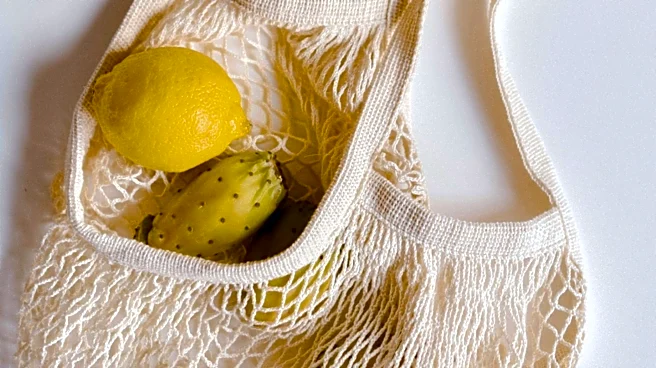
Zero-waste communities are actively promoting and adopting alternatives to single-use plastics, emphasizing the reuse of existing items and the use of durable, eco-friendly materials. Online forums like Reddit highlight practical solutions such as organic
cotton tote bags, upcycled fabric bags made from old clothing, mesh cotton produce bags, silicone food pouches, and glass jars for storage. These communities advocate for using items already available at home, like glass jars for pantry goods and cardboard boxes for groceries, to minimize waste without incurring additional costs. The movement also focuses on specific alternatives for liquids and freezer storage, recommending platinum food-grade silicone bags, glass mason jars, and stainless steel containers to avoid plastic contamination and ensure food safety.
Why It's Important?
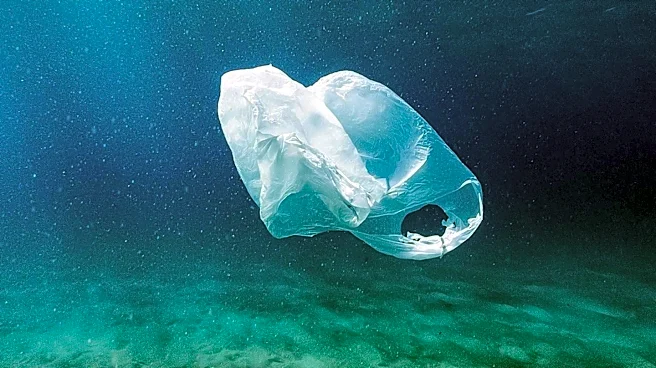
The growing adoption of zero-waste practices and plastic alternatives is crucial for mitigating environmental damage caused by single-use plastics. Trillions of plastic bags are discarded annually, contributing to waterway pollution, microplastic contamination, and harm to wildlife. By transitioning to reusable and upcycled options, consumers can significantly reduce their ecological footprint, conserve fossil fuels, prevent ocean pollution, and decrease landfill volume. This shift also encourages innovation in sustainable materials, such as algae-based replacements and mycelium, pushing industries towards more eco-conscious production. The emphasis on affordable, accessible alternatives demonstrates that sustainable living can be achieved without significant financial burden, making it a viable option for a broader demographic.
What's Next?
The movement towards plastic alternatives is expected to gain further momentum as consumers become more aware of environmental impacts and legislative bans on single-use plastics continue to expand. Researchers anticipate that materials like seaweed and plant bio-films, mushroom roots (mycelium), and bacterial bioplastics (PHAs) will become more prevalent in packaging. The challenge lies in scaling these innovations for mass production and making them widely accessible. As demand for sustainable options grows, industries will likely invest more in developing and distributing these alternatives. Consumers will continue to be encouraged to make deliberate daily choices, contributing to a circular economy that prioritizes long-term environmental health through conscious consumption and waste reduction.
Beyond the Headlines
The push for zero-waste living extends beyond mere product substitution; it represents a fundamental shift in consumer mindset and societal values. It challenges the convenience-driven culture that has fueled single-use plastic consumption, encouraging a return to more mindful consumption and resourcefulness. This movement fosters a sense of community among like-minded individuals who share tips and support each other in their sustainable journeys. Furthermore, it highlights the power of individual actions to drive systemic change, influencing policy-makers and corporations to adopt more sustainable practices. The long-term implications include a potential redefinition of 'waste' as a valuable resource, leading to more closed-loop systems and a healthier planet for future generations.