







What's Happening?
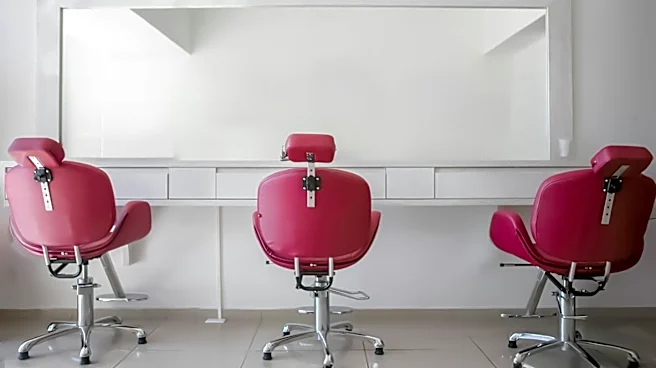
Nail salons are being advised to carefully consider electrical capacity, equipment placement, and safety before adding more electrical outlets to workstations. A modern nail workstation often requires multiple powered devices, including curing lamps,
electric files, and dust collectors. Simply adding more receptacles does not increase a circuit's electrical capacity, which is determined by its wiring and overcurrent protection. Overloading circuits can lead to hazards. Salon owners should inventory all electrical equipment, check wattage requirements, and consult a qualified, licensed electrician to assess existing circuits and plan for new installations. Proper outlet placement is crucial to avoid tripping hazards, interference with furniture, and exposure to liquids. Extension cords are not suitable for permanent use and should not replace properly installed wiring.
Why It's Important?
The safe and efficient operation of nail salons in the U.S. depends heavily on appropriate electrical infrastructure. Improper electrical setups can lead to safety hazards such as electrical shocks, fires, and equipment damage, posing risks to both technicians and clients. This guidance emphasizes the importance of adhering to electrical codes and manufacturer specifications, which protects businesses from liability and ensures compliance with local regulations. Investing in a thoughtfully designed electrical system can enhance operational efficiency, reduce clutter, and support future equipment upgrades, ultimately improving the professional environment and client experience. Conversely, neglecting these considerations can result in costly repairs, business interruptions, and potential legal issues.
What's Next?
Salon owners are encouraged to conduct a thorough electrical assessment of their workstations, ideally with a licensed electrician, before making any modifications. This includes creating a detailed inventory of all electrical devices, noting their power requirements, and planning outlet placement to optimize workflow and safety. Future planning should account for potential equipment upgrades and workstation expansion. Compliance with local permits, building codes, and landlord requirements is essential for any commercial electrical work. Regular maintenance and prompt attention to warning signs like flickering lights or hot outlets are also critical. The industry will likely see continued emphasis on safety standards and professional electrical installations to accommodate the evolving technological needs of nail services.
Beyond the Headlines
Beyond immediate safety and operational concerns, the detailed guidance on electrical setups in nail salons reflects a broader trend towards professionalization and standardization within the beauty industry. As services become more technologically advanced, the infrastructure supporting them must also evolve. This focus on electrical safety highlights the increasing complexity of salon environments, moving beyond simple aesthetics to encompass critical engineering and regulatory compliance. It also underscores the responsibility of business owners to ensure a safe working environment, which can influence insurance premiums, employee retention, and customer trust. The integration of specialized equipment like dust collectors and ventilation systems further points to a growing awareness of health and safety for both practitioners and clients, pushing the industry towards more robust and regulated operational practices.