





What's Happening?
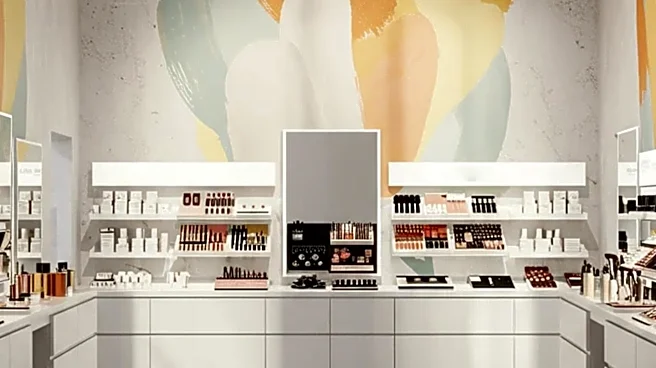
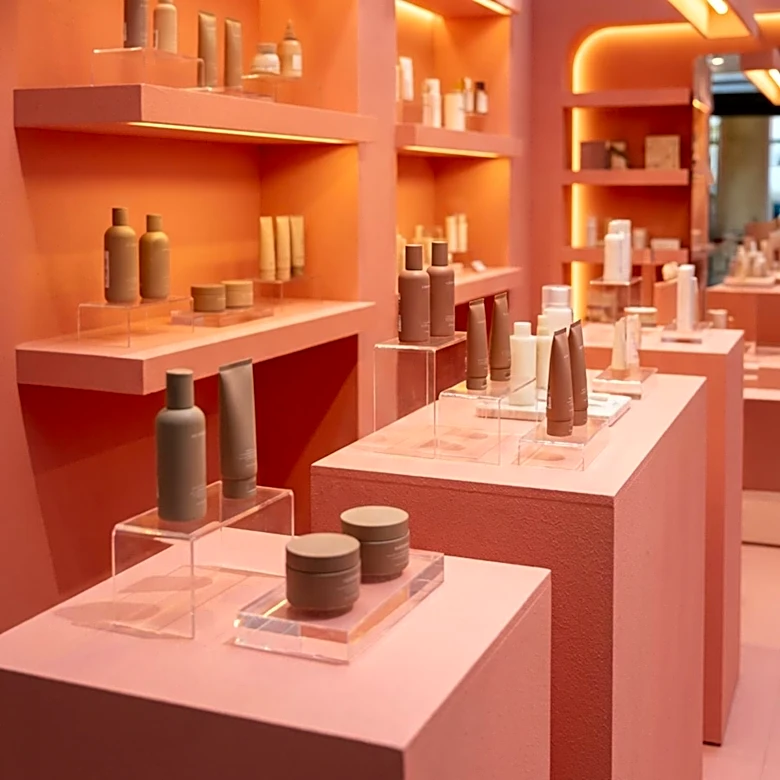
Sephora, a leading prestige beauty retailer, is strategically investing in its physical store experience and omnichannel capabilities to adapt to the evolving beauty market. Despite a significant shift towards online discovery and e-commerce growth, Sephora is making
its stores more distinctive rather than viewing them as a legacy cost. The company's approach includes integrating technology like Color IQ and Virtual Artist with human beauty advisors, offering services such as Buy Online Pick Up In Store and Same Day Delivery, and leveraging its Beauty Insider loyalty program to drive in-store engagement. Sephora also continues to expand its physical presence through smaller boutique formats and a significant partnership with Kohl's, which aims to extend Sephora's reach into new retail environments. This strategy is designed to create a welcoming and comprehensive beauty shopping experience for all customers, connecting in-person, online, and loyalty touchpoints into a single journey, as reported by sources like Modern Retail and LVMH's shareholder communications.
Why It's Important?
This strategic pivot by Sephora is crucial for the U.S. retail landscape, particularly within the beauty sector, as it addresses the challenge of maintaining physical store relevance in an increasingly digital marketplace. The McKinsey's State of Beauty analysis projects significant e-commerce growth, with Amazon and TikTok potentially surpassing Sephora and Ulta in U.S. core beauty sales by 2026. Sephora's investment in distinctive in-store experiences, personalized consultations, and loyalty-driven events aims to differentiate itself and retain market share. This approach impacts consumers by offering enhanced, interactive shopping experiences and personalized advice, while also influencing competitors to re-evaluate their own brick-and-mortar strategies. The partnership with Kohl's is particularly significant, extending Sephora's brand into a broader customer base and potentially revitalizing foot traffic for department stores. The success of Sephora's integrated omnichannel strategy could set a precedent for other retailers grappling with the balance between online convenience and the tactile, advice-dependent nature of prestige beauty products.
What's Next?
Sephora is expected to continue its investment in omnichannel strategies and physical store expansion, with LVMH's January 2026 shareholder communication indicating plans to open around a hundred stores in 2025. The partnership with Kohl's is also set to expand, with plans to extend the Sephora format to all approximately 1,100 Kohl's locations, aiming to surpass $2 billion in sales by 2025. The company will likely further integrate its loyalty program, Beauty Insider, with in-store challenges and exclusive events to drive customer engagement and store visits. As e-commerce and social commerce continue to grow, Sephora will need to continuously innovate its in-store offerings and digital integrations to maintain its competitive edge against rapidly expanding online platforms like Amazon and TikTok. The effectiveness of Sephora's strategy in defending its market position and adapting to changing consumer discovery patterns will be a key area to watch.
Beyond the Headlines
Sephora's strategy highlights a broader shift in retail where physical stores are evolving from mere sales floors to experiential hubs. The emphasis on combining technology with human interaction, as seen with Color IQ and beauty advisors, underscores the enduring value of personalized service in a high-touch category like beauty. This approach also touches upon the ethical dimension of inclusivity, with Sephora's commitment to the 15 Percent Pledge, dedicating a portion of its assortment to Black-owned companies. The use of loyalty programs to shape customer behavior and drive in-store traffic, rather than solely offering discounts, reflects a sophisticated understanding of consumer psychology and the desire for recognition and exclusive access among top-tier customers. This evolution suggests a future where successful retail blends seamless digital integration with unique, community-focused, and personalized physical experiences, moving beyond transactional interactions to foster deeper brand loyalty and engagement.