






What's Happening?
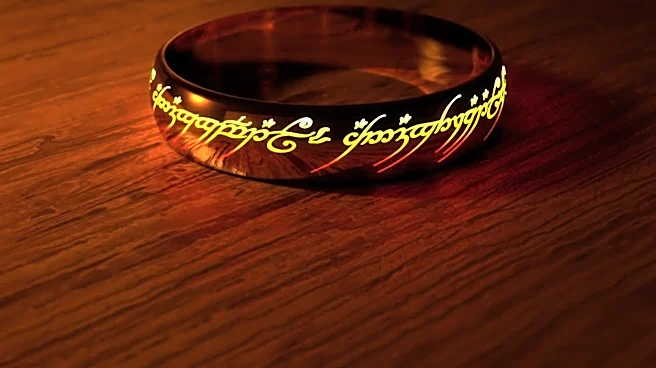
Howard Shore's musical score for 'The Lord of the Rings' film trilogy has been named the UK's favorite film soundtrack for the fourth year in a row. This recognition comes from Classic FM's Movie Music Hall of Fame poll, which surveys listeners' top 100
film scores. The trilogy, consisting of 'The Fellowship of the Ring' (2001), 'The Two Towers' (2002), and 'The Return of the King' (2003), continues to resonate with audiences. Shore's score surpassed other iconic film music, including John Williams' theme for 'Schindler’s List' (second place), John Barry’s 'Out Of Africa' soundtrack (third), Hans Zimmer’s 'Gladiator' score (fourth), and Williams’ 'Jurassic Park' theme (fifth). Jonathan Ross, presenter of Classic FM At The Movies, highlighted the score's epic, emotional, and instantly transporting qualities, attributing its success to its ability to immerse listeners in the world of Middle-earth. Shore expressed his gratitude to the musicians, soloists, and singers who performed the music and his pride in the work's continued success.
Why It's Important?
This consistent recognition of 'The Lord of the Rings' score underscores the enduring cultural impact of the film trilogy and its musical accompaniment. In an industry where new content is constantly vying for attention, the sustained popularity of a score from films released over two decades ago highlights its timeless appeal and artistic merit. For the film music industry, it sets a high benchmark for orchestral composition and its role in storytelling. The continued appreciation for Shore's work also reflects a broader trend of audiences valuing intricate and emotionally resonant scores, influencing how future film projects approach their musical elements. This sustained acclaim can also boost the legacy of J.R.R. Tolkien's original works, drawing new generations to both the books and the films, and reinforcing the commercial viability of fantasy epics with strong artistic foundations.
What's Next?
Given its consistent popularity, Howard Shore's 'Lord of the Rings' score is likely to remain a prominent feature in film music discussions and polls for the foreseeable future. The ongoing fan engagement with the franchise, including new adaptations and related media, will likely keep the original score relevant and celebrated. Future film composers may continue to draw inspiration from Shore's work, particularly in the fantasy genre, influencing stylistic choices and orchestral arrangements. The continued success of such a comprehensive and immersive score could also encourage more investment in original, high-quality musical compositions for major film productions, rather than relying solely on popular music or minimalist approaches. The enduring legacy of this score suggests it will continue to be a benchmark for excellence in cinematic music.
Beyond the Headlines
The sustained popularity of 'The Lord of the Rings' score goes beyond mere entertainment; it speaks to the profound connection between music and narrative in shaping cultural experiences. The score's ability to evoke the vastness and emotional depth of Middle-earth demonstrates how music can become an integral part of a story's identity, transcending the visual medium. Ethically, it highlights the importance of recognizing the artistic contributions of composers, who often play a crucial role in a film's success but may not always receive the same level of public recognition as directors or actors. Culturally, the score has become a touchstone for fantasy enthusiasts and film music aficionados alike, fostering a sense of community and shared appreciation. Its continued acclaim also reflects a broader societal appreciation for epic storytelling and the power of art to transport and inspire, reinforcing the value of meticulously crafted artistic endeavors in an increasingly fast-paced media landscape.