






What's Happening?
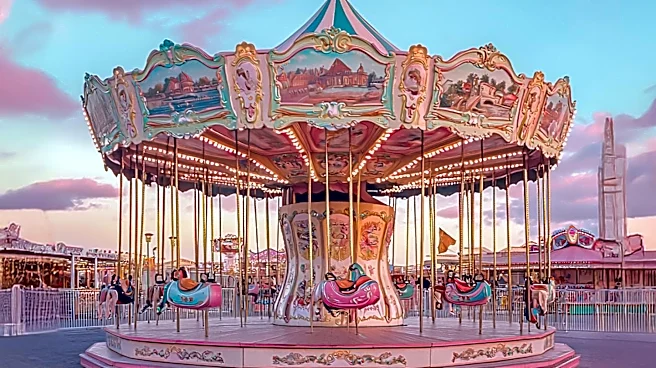
Classic carousels in Rhode Island are facing an existential threat, with high operating costs and the escalating impacts of climate change leading to their decline. Historically, the U.S. had between 3,500 and 5,000 carousels built from the 1860s to the 1960s,
but only about 400 remain today, with six in Rhode Island. Many of these antique wooden carousels, often located in seaside areas, are vulnerable to severe storms and rising sea levels. For instance, the carousel at Atlantic Beach Park in Westerly, a 1915 Herschell-Spillman menagerie carousel, was destroyed by back-to-back coastal storms in December 2023 and January 2024 after being shut down during the pandemic due to high costs. Similarly, the carousel at Easton’s Beach in Newport closed in 2019 due to saltwater damage to its building. Maintaining these labor-intensive attractions is increasingly difficult, with individual carousel horses fetching over $100,000 at auction, making preservation a costly endeavor.
Why It's Important?
The disappearance of classic carousels in Rhode Island signifies more than just the loss of amusement rides; it represents the erosion of cultural heritage and community landmarks. These carousels, some dating back over a century, are integral to the historical fabric and nostalgic appeal of many towns, offering a tangible link to past generations. Their decline highlights the broader challenges faced by historical attractions in the face of modern economic pressures and environmental changes. The high costs of maintenance, coupled with the destructive power of climate-induced weather events, make it increasingly difficult for owners and communities to preserve these unique pieces of American folk art. This trend impacts local tourism, diminishes unique recreational opportunities, and erases a part of the collective memory for many families who have cherished these rides for generations.
What's Next?
The future of Rhode Island's remaining carousels hinges on increased community support and innovative preservation strategies. Organizations like the National Carousel Association offer grants, but the primary responsibility for saving these attractions falls to local groups. Efforts will likely focus on fundraising campaigns, volunteer initiatives for maintenance, and exploring options for relocating vulnerable carousels to safer, inland locations. There may also be a push for greater public awareness and appreciation of these historical artifacts to galvanize support. Without significant intervention, more carousels are likely to be dismantled and sold off, or succumb to the ongoing threats of coastal storms and rising operational expenses. The challenge will be to find sustainable models that can balance the high costs of preservation with the desire to maintain these beloved cultural icons for future generations.
Beyond the Headlines
The struggle to preserve Rhode Island's carousels reflects a deeper societal challenge in valuing and maintaining historical artifacts in an era of rapid change. Beyond the immediate economic and environmental factors, the decline of these carousels touches upon themes of heritage, community identity, and the impact of modernization. It raises questions about how society prioritizes the preservation of tangible cultural heritage against competing demands for resources and development. The loss of these unique attractions could lead to a homogenization of recreational spaces, diminishing local character and the unique experiences they offer. This situation underscores the need for a broader conversation about the role of historical preservation in urban planning and environmental adaptation, and how communities can collectively safeguard their past for the benefit of their future.