





What's Happening?
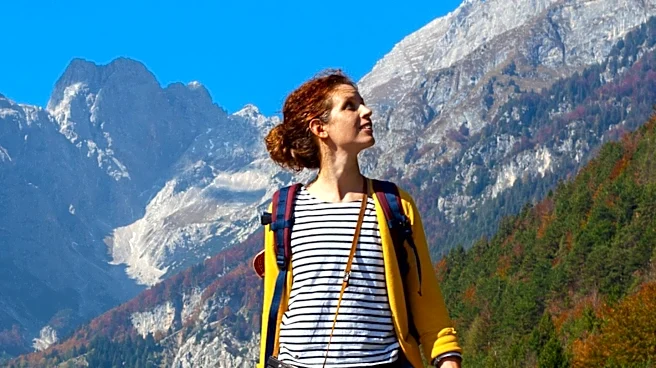
Solo travel is increasingly recognized for its potential to build confidence, enhance present-moment awareness, and facilitate identity exploration free from social pressures. While it can be a transformative experience, experts advise that it may not
be suitable for everyone, particularly those experiencing a mental health crisis or feeling overwhelmed by the prospect. In such cases, traveling with supportive companions or selecting well-established destinations with robust infrastructure is recommended. Solo travel provides unparalleled flexibility, allowing individuals to explore at their own pace and pursue personal interests without compromise. Surprisingly, being physically alone in a new environment can sometimes feel less isolating than being surrounded by familiar people, as it often leads to unexpected connections with strangers. To ensure a safe and enjoyable journey, thorough planning, situational awareness, and consideration of local customs and safety measures are crucial. This approach helps mitigate potential challenges and maximizes the benefits of independent exploration.
Why It's Important?
The growing trend of solo travel highlights a shift in how individuals approach personal growth and well-being, impacting the tourism and hospitality sectors. For the U.S. travel industry, understanding the motivations and needs of solo travelers is vital for developing tailored services, accommodations, and tour packages. The emphasis on self-discovery and confidence-building through travel can influence marketing strategies, promoting destinations and experiences that cater to independent explorers. Furthermore, the increased demand for safety and robust infrastructure from solo travelers could drive improvements in travel services, benefiting all tourists. Businesses that adapt to these preferences, offering flexible itineraries, secure lodging, and opportunities for low-pressure social interaction, stand to gain a competitive advantage. Conversely, those that fail to recognize the unique aspects of solo travel may miss out on a significant and expanding market segment, potentially losing revenue and relevance in a dynamic industry.
What's Next?
As solo travel continues to gain popularity, the travel industry is expected to further innovate in catering to this demographic. We may see an increase in specialized tour operators offering curated solo-friendly itineraries, focusing on adventure, cultural immersion, and personal development. Technology will likely play a larger role, with new apps and platforms emerging to connect solo travelers, facilitate safe meet-ups, and provide real-time safety information and support. Accommodation providers are also likely to adapt, offering more single-occupancy options, communal spaces designed for casual interaction, and enhanced security features. Additionally, there may be a greater emphasis on travel insurance products tailored to the specific needs of solo adventurers, including higher medical coverage and provisions for unforeseen circumstances. Educational resources and workshops on safe and fulfilling solo travel are also anticipated to become more prevalent, empowering more individuals to embark on these journeys confidently.
Beyond the Headlines
Beyond the immediate economic impacts, the rise of solo travel reflects deeper societal shifts towards individualism, self-reliance, and a desire for authentic experiences. This trend challenges traditional notions of travel as a group or family activity, promoting a more introspective and self-directed approach to exploration. It can foster greater cultural understanding and empathy, as solo travelers often engage more deeply with local communities and diverse perspectives. On a psychological level, successfully navigating unfamiliar environments alone can significantly boost self-efficacy and resilience, skills that translate into various aspects of life. However, it also raises questions about the balance between independence and community, and the potential for increased isolation if not managed thoughtfully. The emphasis on personal growth through travel could also influence educational philosophies, encouraging experiential learning and global citizenship from a young age.