
What's Happening?
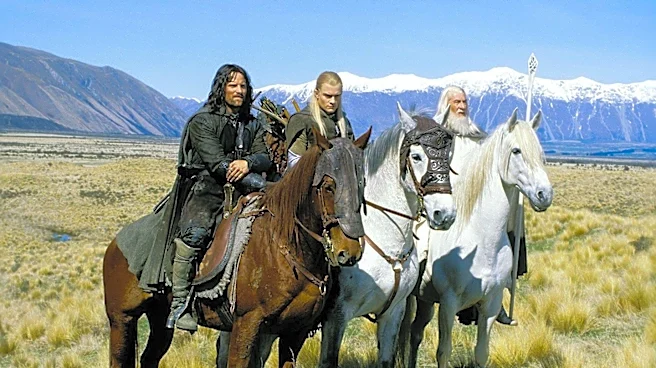
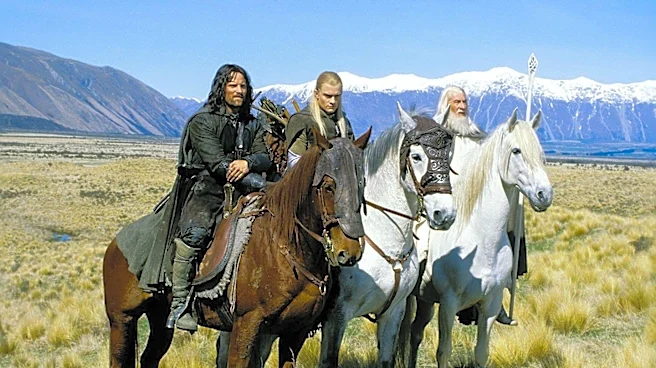
During the filming of 'The Lord of the Rings: The Fellowship of the Ring,' actor Ian McKellen, portraying Gandalf, inadvertently improvised one of the film's most memorable lines. While shooting the scene
against the Balrog on the bridge of Khazad-dûm, McKellen forgot the original line from J.R.R. Tolkien's text, which was 'You cannot pass.' Instead, he delivered the now-iconic phrase, 'You shall not pass.' Director Peter Jackson decided to keep this improvised take in the final cut of the movie, recognizing that the alteration added significant power to the moment. This accidental change transformed a simple lapse in memory into one of the most famous and recognizable quotes in cinematic history. McKellen recounted this anecdote in 2019 during an appearance on 'The Graham Norton Show,' explaining that his error was due to not recalling the exact wording of the script.
Why It's Important?
This incident highlights the dynamic and often unpredictable nature of film production, where spontaneous moments can profoundly impact a work's legacy. For 'The Lord of the Rings' franchise, a series already deeply embedded in popular culture, this improvised line further cemented its place in cinematic lore. The phrase 'You shall not pass' has transcended the film itself, becoming a widely recognized cultural reference and meme, demonstrating how a single, unplanned creative decision can resonate globally. It also underscores the collaborative relationship between actors and directors, where a director's willingness to embrace an actor's unexpected contribution can lead to enhanced artistic outcomes. This event serves as a testament to the idea that sometimes, the most impactful moments in art emerge from unforeseen circumstances, enriching the narrative and audience experience in ways that strict adherence to a script might not achieve.
What's Next?
While this specific event is a past occurrence, its impact continues to be felt in the ongoing appreciation and study of 'The Lord of the Rings' films. The story of McKellen's improvisation is frequently cited in discussions about filmmaking, acting techniques, and the creative process. It will likely remain a popular anecdote shared by fans and film historians alike, contributing to the enduring mystique and behind-the-scenes lore of the beloved trilogy. For future film productions, this example might encourage directors and actors to remain open to improvisation and unexpected creative turns, understanding that such moments can sometimes lead to the most powerful and memorable scenes. The legacy of this particular line will continue to influence how audiences and creators perceive the balance between script adherence and spontaneous artistic expression in cinema.
Beyond the Headlines
The phenomenon of an improvised line becoming a cultural touchstone speaks to the power of language and delivery in performance. McKellen's slight alteration from 'cannot' to 'shall not' imbues the command with a stronger sense of will and definitive prohibition, elevating it from a statement of inability to an assertion of absolute authority. This subtle linguistic shift likely contributed to its profound impact and memorability. Furthermore, the story illustrates how the 'making of' narratives surrounding popular films can become as compelling as the films themselves, offering insights into the creative struggles and triumphs that shape cinematic masterpieces. It also touches upon the broader theme of artistic serendipity, where 'mistakes' or deviations from the original plan can sometimes yield superior results, challenging the notion of perfect execution and highlighting the value of adaptability in creative endeavors.