









What's Happening?
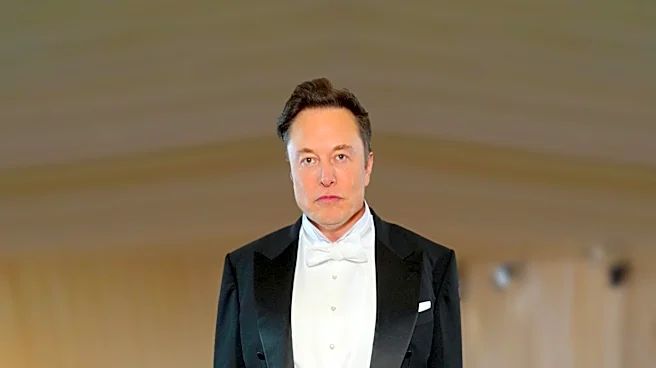
Elon Musk, CEO of Tesla and SpaceX, recently commented on a social media post regarding MacKenzie Scott's extensive charitable donations. Scott, the ex-wife of Amazon founder Jeff Bezos, has donated over $26.3 billion to various causes through her organization,
Yield Giving. Her contributions have primarily supported progressive initiatives such as racial equity, immigration, climate change, and LGBTQ+ advocacy. Musk responded to a post suggesting that Scott's donations were making the world worse with a brief 'Sadly, yes.' This aligns with Musk's previously expressed views on philanthropy, where he has emphasized the challenges of effective giving and the potential for unintended consequences.
Why It's Important?
Musk's comment highlights a broader debate on the effectiveness of philanthropy, especially when it involves large sums directed towards specific causes. Scott's approach of providing unrestricted grants allows recipient organizations to allocate funds as they see fit, which some critics argue may not always lead to the intended positive outcomes. Musk's perspective suggests a preference for creating impact through business ventures, which he believes can address issues at a larger scale than traditional philanthropy. This discourse is significant as it reflects differing philosophies on wealth distribution and the role of billionaires in addressing societal challenges.
What's Next?
The conversation around effective philanthropy is likely to continue, with stakeholders from various sectors weighing in on the best approaches to charitable giving. Scott's ongoing donations will be scrutinized for their impact, and Musk's comments may prompt further discussion on the role of business versus philanthropy in societal improvement. As Scott continues her philanthropic efforts, the effectiveness and outcomes of her donations will be closely monitored by both supporters and critics.
Beyond the Headlines
Musk's critique underscores a cultural and ethical debate about the responsibilities of the ultra-wealthy in society. The discussion raises questions about the transparency and accountability of large-scale donations and whether they align with broader societal needs. It also touches on the potential for philanthropy to influence public policy and social norms, particularly when significant resources are directed towards specific ideological causes.