






What's Happening?
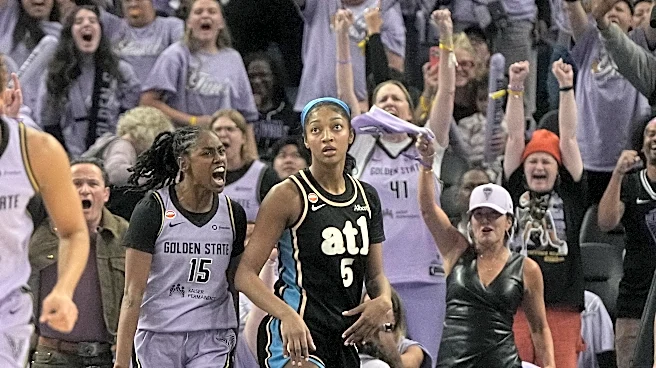
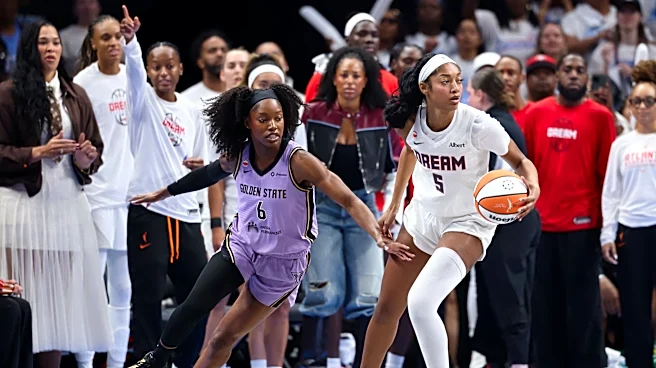
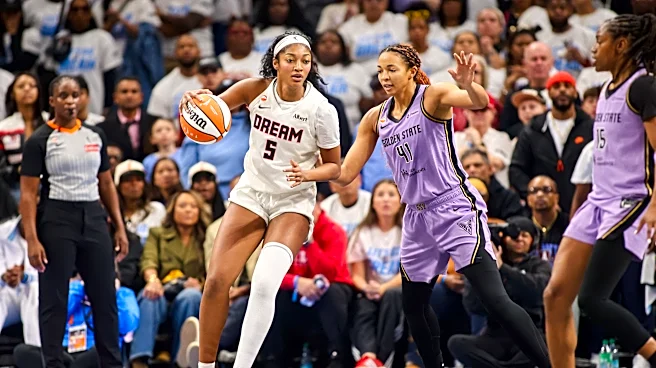
Atlanta Mayor Andre Dickens has issued an open letter to employers and educators in the city, requesting flexibility for employees and students to watch Game 6 of the WNBA Finals. The game, scheduled for October 29 at 12:30 p.m. ET, features the Atlanta Dream
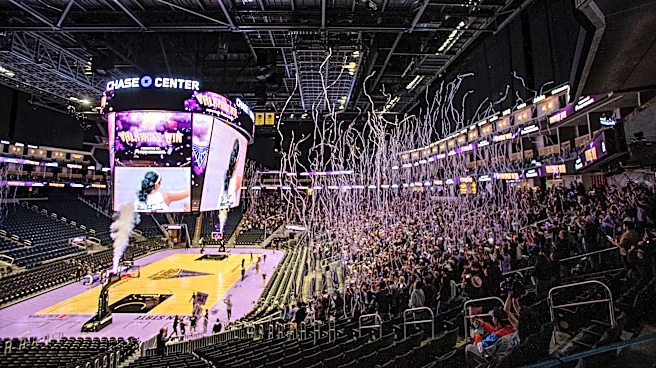
facing elimination against the Golden State Valkyries. The unusual afternoon tip-off time conflicts with typical work and school hours, making it challenging for fans to attend or watch the game live. Mayor Dickens' appeal, shared on social media, asks for 'a little love and grace' to allow residents to support the Atlanta Dream in their pursuit of a championship. This scheduling conflict arises because State Farm Arena, the larger venue where the Dream are playing, has a pre-scheduled NBA game between the Atlanta Hawks and the Cleveland Cavaliers later that evening. Moving the WNBA game to the afternoon was a logistical decision to accommodate both events, as the Dream's usual home, Gateway Center, has a significantly smaller capacity.
Why It's Important?
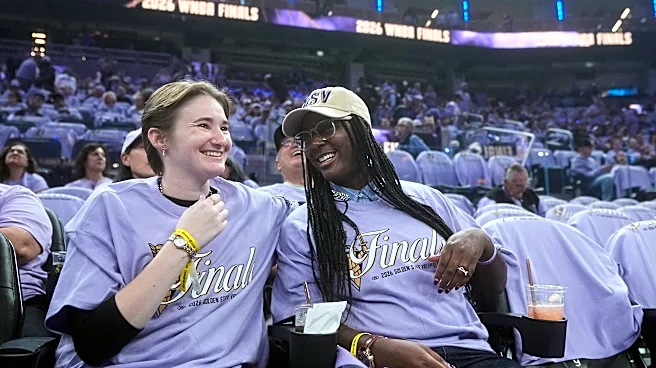
This situation highlights the growing popularity and increasing demand for WNBA games, particularly during the Finals. The need for a city's mayor to intervene underscores the challenges the league faces in scheduling high-stakes games in suitable venues, especially when sharing facilities with other major sports leagues. The Atlanta Dream's run to the WNBA Finals, coupled with the arrival of star players like Angel Reese, has significantly boosted fan engagement and ticket demand, necessitating a larger venue like State Farm Arena. However, the conflict with the NBA schedule demonstrates the logistical complexities and potential prioritization issues that can arise. The mayor's plea also emphasizes the cultural and community significance of professional sports teams, as he frames supporting the Dream as a 'group project' for Atlanta, aiming to foster collective enthusiasm and civic pride.
What's Next?
The immediate next step is Game 6 of the WNBA Finals on October 29. The outcome of this game will determine if the Golden State Valkyries clinch the championship or if the Atlanta Dream force a decisive Game 7. Following the game, State Farm Arena staff will have a limited window to prepare the venue for the Atlanta Hawks' NBA matchup later that evening. In the longer term, the Atlanta Dream are expected to move to State Farm Arena full-time next season, which should alleviate future scheduling conflicts and allow them to consistently host games in a larger venue that can accommodate their growing fan base. This incident may also prompt further discussions within the WNBA and shared venue operators about optimizing scheduling to maximize fan access and avoid similar conflicts in future high-profile events.
Beyond the Headlines
This event subtly reveals the evolving landscape of women's professional sports and the increasing mainstream attention they are garnering. The WNBA's growth in popularity, as evidenced by the demand for larger venues and the mayor's public appeal, signifies a shift in how these leagues are perceived and valued. The logistical challenges faced by the WNBA in securing prime-time slots and suitable venues, even for a championship game, point to broader issues of resource allocation and equitable treatment compared to established men's leagues. The mayor's call for flexibility from employers and educators also touches upon the intersection of work, education, and civic engagement, suggesting a societal recognition of sports as a communal experience that can transcend daily routines. This situation could serve as a catalyst for future policy discussions on supporting and promoting women's sports at local and national levels.