




What's Happening?
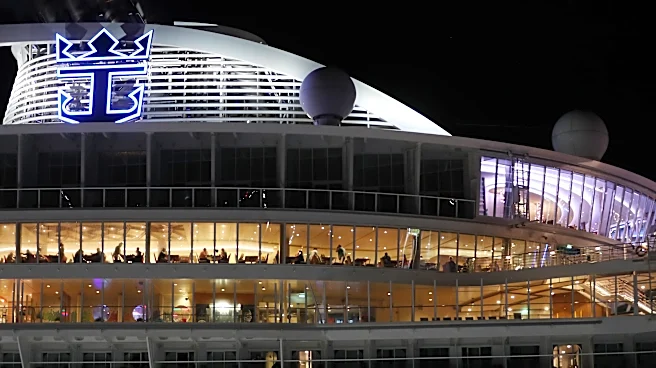
Royal Caribbean International's Oasis of the Seas, launched in October 2009, remains a prominent vessel in the cruise industry. As the first ship in the Oasis class, it was developed under the project name 'Project Genesis' and introduced innovative cruise ship design
concepts that have influenced subsequent ship constructions. The ship can accommodate up to 6,669 guests and was officially named during a charity sailing for the Make A Wish Foundation, with seven godmothers participating in the ceremony, including notable figures like Gloria Estefan and Michelle Kwan. A defining feature of the Oasis of the Seas is its collection of themed neighborhoods, such as Central Park, which boasts thousands of living plants, walking paths, and restaurants, and the Boardwalk, inspired by traditional seaside piers with shops, dining, and a hand-carved carousel. These outdoor spaces are designed to encourage guests to spend time outdoors, enjoying meals and strolls in the fresh air. The ship offers a wide array of dining options, with approximately 20 venues ranging from casual cafes to specialty restaurants, and diverse accommodation choices from inside cabins to two-deck Loft Suites.
Why It's Important?
The continued operation and popularity of Oasis of the Seas highlight significant trends in the cruise industry, particularly the demand for large, amenity-rich vessels that cater to a broad demographic. Its innovative design, featuring distinct themed neighborhoods and extensive entertainment options, set a precedent for future cruise ship development, emphasizing experiential travel over traditional sea voyages. This approach has allowed Royal Caribbean to attract families, couples, and groups of friends seeking lively holidays with numerous activities, while also providing quieter spaces for relaxation. The ship's success underscores the economic viability of investing in large-scale, diversified entertainment platforms within the travel sector. Furthermore, the ship's design, which integrates natural elements like Central Park, reflects a broader industry trend towards creating unique, immersive environments that enhance the passenger experience and differentiate cruise lines in a competitive market.
What's Next?
Oasis of the Seas is expected to continue its regular cruise itineraries, offering a consistent experience for its diverse passenger base. Royal Caribbean International will likely continue to leverage the ship's established popularity and innovative features in its marketing strategies. The success of the Oasis class may also influence future ship designs and upgrades within the Royal Caribbean fleet, potentially leading to the incorporation of similar neighborhood concepts and extensive entertainment offerings in new vessels or during refurbishments of existing ones. The cruise line will likely monitor passenger feedback and market trends to ensure the ship's offerings remain competitive and appealing. Additionally, as the cruise industry evolves, there may be ongoing efforts to enhance sustainability practices and technological integrations across its fleet, including the Oasis of the Seas, to meet changing consumer expectations and regulatory requirements.
Beyond the Headlines
The design philosophy behind Oasis of the Seas, particularly its themed neighborhoods, represents a significant shift in how cruise ships are perceived and utilized. Moving beyond mere transportation, these vessels have evolved into self-contained floating resorts, offering a curated environment that mimics land-based attractions. This transformation raises questions about the future of travel and leisure, where the destination itself becomes less about a geographical location and more about the immersive experience provided onboard. The ship's ability to cater to a wide range of preferences, from high-energy activities to tranquil relaxation zones, reflects a broader societal trend towards personalized experiences and the desire for diverse options within a single vacation. This model could influence other sectors of the hospitality industry, encouraging the creation of multi-faceted, self-sufficient environments that cater to varied consumer demands.