



What's Happening?
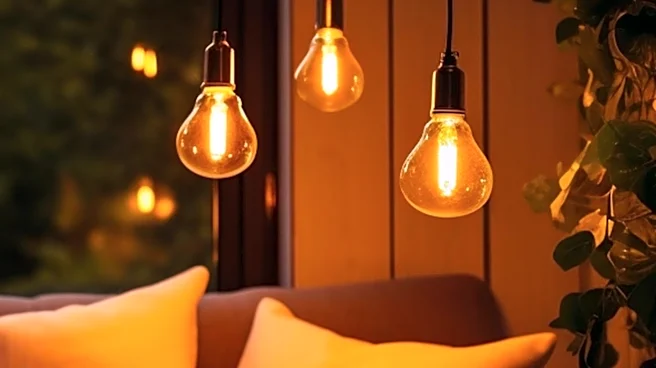
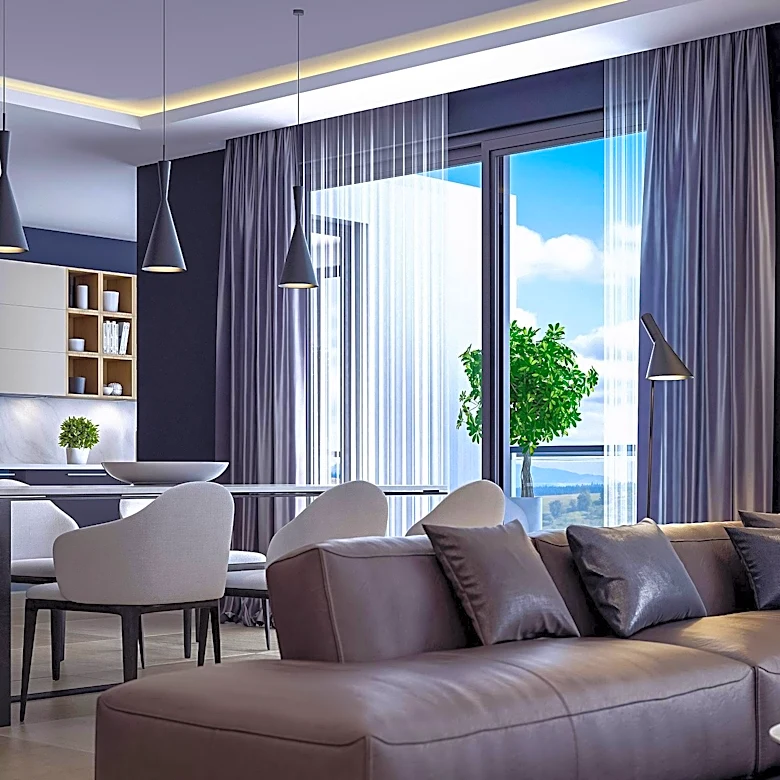
Mood lighting, characterized by its ability to create a specific atmosphere, is gaining prominence in both residential and automotive settings. In homes, it involves using adjustable light sources like dimmable table lamps, smart bulbs, and various fixtures
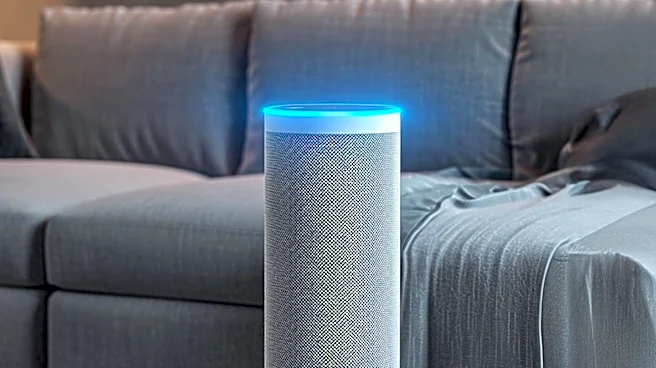
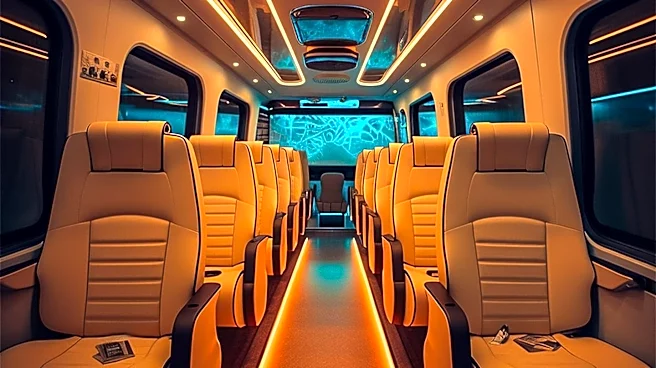
to set different tones, from cozy to energizing. The Kelvin scale, which measures color temperature, plays a crucial role, with warmer lights (2000K–3000K) ideal for relaxation and cooler lights (5000K–6500K) for task-oriented areas. Smart home lighting systems further enhance this by allowing users to control lighting scenes via apps or voice commands, integrating with sensors for automated adjustments based on occupancy or time of day. Similarly, in vehicles, aftermarket ambient lighting kits are becoming popular for enhancing interior aesthetics and driving experience. Modern kits utilize acrylic LED strips for uniform illumination, offer app-controlled features like brightness adjustment and color profiles, and include special effects such as music synchronization and 'Dreamcolor' technology for dynamic color transitions. These advancements aim to provide a more immersive and personalized environment.
Why It's Important?
The increasing adoption of mood lighting signifies a broader trend towards personalized and adaptive environments, impacting consumer electronics, interior design, and automotive aftermarket industries. For consumers, it offers enhanced comfort, convenience, and potentially improved well-being through tailored lighting. The ability to adjust light color and intensity can influence mood, productivity, and relaxation, making living and driving spaces more versatile. Economically, this trend drives innovation and sales in smart home devices, LED technology, and automotive accessories. Manufacturers are focusing on user-friendly interfaces, energy efficiency, and advanced features like individually addressable LEDs to meet growing demand. The emphasis on modularity and ease of installation in car ambient lighting kits also indicates a shift towards DIY-friendly solutions, broadening market accessibility. This focus on customizable ambiance reflects a consumer desire for greater control over their immediate surroundings, pushing industries to integrate more sophisticated lighting solutions.
What's Next?
The future of mood lighting will likely see further integration with artificial intelligence and advanced sensor technologies, leading to more intuitive and responsive systems. In smart homes, lighting could automatically adapt to individual preferences, time of day, and even biometric data to optimize for sleep, wakefulness, or specific activities without manual input. The development of more sophisticated algorithms will enable predictive lighting adjustments, anticipating user needs. In the automotive sector, factory-installed ambient lighting systems are expected to become more common and advanced, offering deeper integration with vehicle infotainment systems and personalized profiles for different drivers. The aftermarket will continue to innovate with wireless control, energy-efficient designs, and more seamless installation processes. We can also anticipate a greater emphasis on sustainable lighting solutions, with manufacturers focusing on recyclable materials and longer-lasting LED components. The convergence of smart home and smart car technologies could also lead to unified lighting control systems across different personal environments.
Beyond the Headlines
Beyond the immediate benefits of aesthetics and convenience, the evolution of mood lighting touches upon deeper psychological and physiological implications. The precise control over light spectrum and intensity can have significant impacts on circadian rhythms, potentially improving sleep quality and overall health. As lighting becomes more dynamic and personalized, it could play a crucial role in therapeutic applications, such as light therapy for seasonal affective disorder or cognitive enhancement. Ethically, the increasing data collection by smart lighting systems, especially those integrated with sensors and AI, raises privacy concerns regarding user habits and presence. The long-term societal impact could include a shift in architectural design, where lighting is considered an integral, dynamic element rather than a static fixture. Culturally, the ability to instantly transform environments through light may influence how spaces are perceived and utilized, fostering new forms of social interaction and personal expression. This technological advancement underscores a broader human desire to shape and control our immediate sensory experiences.