








What's Happening?
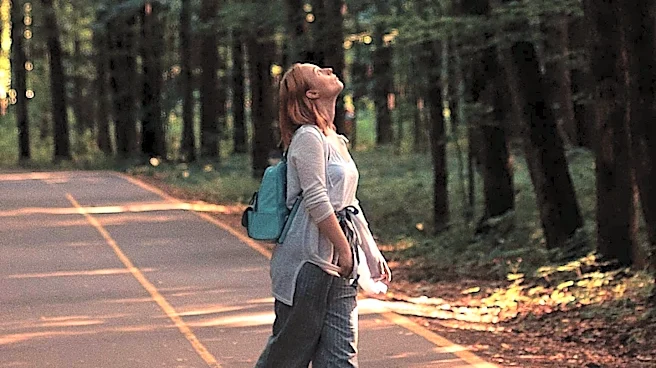
Forest bathing, known as Shinrin Yoku, is a Japanese practice that originated in 1982 through Japan’s Ministry of Agriculture, Forestry and Fisheries. It was introduced as a public health initiative to alleviate stress associated with urban living. The
practice involves moving slowly and deliberately through a forest environment, engaging the senses mindfully. Recent data indicates that forest bathing can effectively reduce cortisol levels, which is the body’s primary stress hormone. However, the precise mechanisms through which this reduction occurs and the optimal duration for such activities are still subjects of ongoing scientific inquiry. Various events are now promoting forest bathing, including guided sessions at the Arboretum in Guelph and workshops in Phoenix, all emphasizing relaxation, heightened sensory awareness, and fostering a deeper connection with nature. These initiatives aim to bring the benefits of this practice to a wider audience, encouraging individuals to disconnect from digital distractions and immerse themselves in natural settings.
Why It's Important?
The growing adoption of forest bathing in the U.S. signifies a broader shift in public health strategies, moving towards integrating nature-based therapies to address modern stressors. With increasing urbanization and digital dependency, practices like Shinrin Yoku offer a non-pharmacological approach to mental and physical well-being. The potential to lower cortisol levels has significant implications for reducing chronic stress-related health issues, which are prevalent in American society and contribute to substantial healthcare costs. By promoting mindful engagement with natural environments, forest bathing can enhance overall quality of life, improve mood, and potentially boost cognitive function. This trend could lead to increased investment in urban green spaces and national parks, transforming them into accessible therapeutic resources. For individuals, it offers a practical and accessible method to manage stress and improve health, while for communities, it fosters a greater appreciation for environmental conservation and sustainable living.
What's Next?
As awareness and scientific understanding of forest bathing's benefits continue to grow, it is likely that more public and private organizations in the U.S. will offer guided Shinrin Yoku sessions and workshops. Research efforts will probably intensify to pinpoint the exact physiological and psychological mechanisms at play, as well as to determine optimal durations and frequencies for maximum benefit. This could lead to the development of standardized protocols for forest bathing, potentially integrating it into wellness programs offered by employers, healthcare providers, and educational institutions. Furthermore, there may be a push for urban planning initiatives to incorporate more accessible green spaces, specifically designed to facilitate such practices. The increasing popularity could also spur the growth of a specialized wellness industry, offering certified guides and tailored experiences, thereby expanding its reach and impact across diverse demographics.
Beyond the Headlines
Beyond its immediate health benefits, the rise of forest bathing in the U.S. reflects a deeper cultural yearning for reconnection with nature in an increasingly digital and fast-paced world. This practice challenges the conventional view of nature as merely a backdrop for recreation, repositioning it as an essential component of human well-being and mental health. It highlights an ethical dimension by encouraging a more respectful and mindful interaction with the environment, potentially fostering greater ecological awareness and conservation efforts. The emphasis on sensory engagement and slowing down offers a counter-narrative to the pervasive culture of productivity and constant stimulation, promoting a more balanced and contemplative lifestyle. This shift could lead to a re-evaluation of urban design principles, prioritizing green infrastructure and accessible natural spaces as fundamental elements for public health and community resilience, ultimately influencing long-term societal values regarding nature and wellness.