





What's Happening?
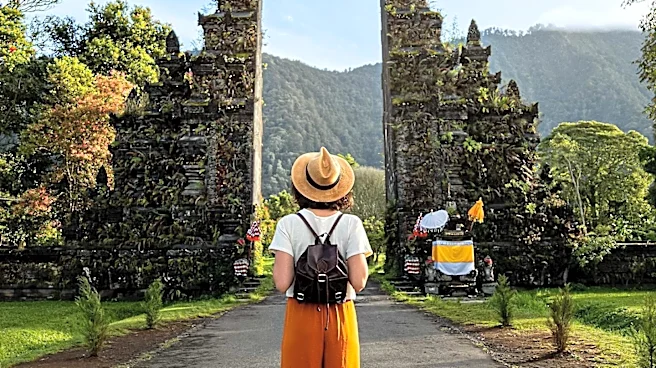
Ubud, located in the highlands of Bali, is recognized as the island's cultural and artistic heart. Situated approximately 90 minutes from the airport and at an elevation of about 200 meters, it offers a cooler, greener, and calmer environment compared
to Bali's southern beach areas. The town is renowned for its extensive rice terraces, ancient Hindu temples, and vibrant nightly traditional dance performances. Ubud also serves as a hub for artisan villages, cooking classes, and a thriving yoga and wellness scene. A significant attraction is the Sacred Monkey Forest. Unlike coastal regions of Bali, Ubud's appeal is rooted in its rich cultural heritage and lush natural landscapes, making it a distinct destination for visitors seeking immersive cultural experiences. The town's development as an art capital began in the early 20th century with the arrival of European painters who collaborated with local artists, expanding Balinese painting beyond religious craft into a broader art form. This historical foundation, supported by the local royal family, has fostered a unique environment where traditional arts coexist with contemporary galleries and wellness practices.
Why It's Important?
Ubud's prominence as a cultural and artistic center is crucial for Bali's tourism industry, offering a diverse experience beyond typical beach destinations. Its focus on cultural immersion, traditional arts, and wellness attracts a segment of tourists interested in authentic local experiences, contributing to a more sustainable and diversified tourism economy. The preservation and promotion of Balinese dance, traditional crafts, and ancient temples in Ubud help maintain the island's unique cultural identity in the face of modernization and global tourism trends. The town's emphasis on yoga and wellness also taps into a growing global market for health-conscious travel, positioning Bali as a holistic destination. Furthermore, the economic activity generated by artisan villages, cooking schools, and cultural performances provides livelihoods for local communities, supporting traditional skills and practices that might otherwise decline. This cultural tourism model helps distribute economic benefits more broadly across the island, reducing over-reliance on coastal areas.
What's Next?
To fully experience Ubud, a minimum stay of three nights is recommended, allowing visitors to engage with its diverse cultural offerings without rushing. Future developments will likely focus on enhancing visitor experiences while preserving the town's authentic charm. This includes managing tourist flow to key attractions like the Tegallalang Rice Terraces, which can become crowded, especially during peak hours. Efforts may also be directed towards promoting lesser-known cultural sites and experiences to distribute tourism more evenly and reduce pressure on popular spots. The continued growth of the wellness sector suggests further expansion of yoga studios, meditation centers, and traditional Balinese spa treatments. Additionally, improving infrastructure, particularly road networks leading into Ubud, will be crucial to manage traffic congestion, which can significantly impact travel times from the airport and other parts of Bali. Local authorities and tourism operators will likely continue to collaborate on sustainable tourism practices to ensure Ubud's cultural and natural integrity is maintained for future generations.
Beyond the Headlines
Ubud's cultural significance extends beyond its tourist appeal, representing a living testament to Balinese heritage and artistic evolution. The town's ability to integrate ancient traditions with contemporary influences highlights a dynamic cultural resilience. The collaboration between European and Balinese artists in the early 20th century, which broadened the scope of Balinese art, exemplifies a historical model of cultural exchange that enriched local practices. This ongoing dialogue between tradition and modernity is evident in Ubud's art galleries, performance spaces, and even its culinary scene, which blends traditional Balinese cooking with international influences. The town also serves as a model for how tourism can be leveraged to support cultural preservation, with visitor spending directly contributing to the maintenance of temples, the training of dancers, and the livelihoods of artisans. However, the challenge remains in balancing economic development with the potential for cultural commodification and environmental impact, requiring careful planning to ensure that Ubud's unique spirit is not diluted by over-tourism.