





What's Happening?
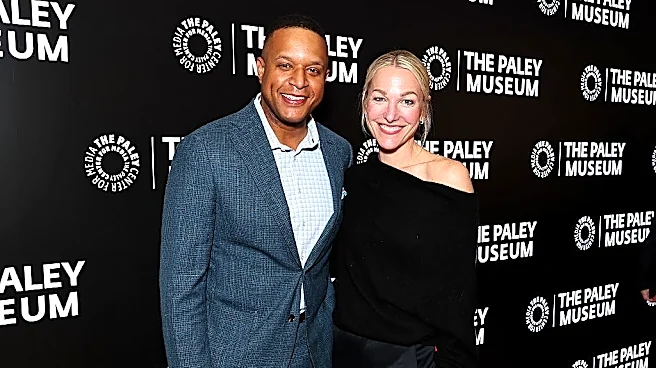
Chick-fil-A CEO Andrew Cathy was pressed by NBC's 'Today' co-anchor Craig Melvin regarding the fast-food chain's stance on LGBTQ rights. During the interview, Cathy emphasized the company's commitment to hospitality and serving all customers, stating,
'Everybody that’s willing to walk in the door, they’re welcome to come eat with us. We would love to give them a great-tasting sandwich and great hospitality.' He avoided directly addressing the company's official position on LGBTQ issues. This exchange revisited a 2012 controversy when Cathy's father, former CEO Dan Cathy, publicly supported traditional marriage, leading to protests and boycotts. In 2019, Chick-fil-A ceased donations to organizations criticized for their positions on LGBTQ issues, redirecting charitable giving towards education, homelessness, and hunger initiatives. The company's current corporate policies prohibit employment discrimination based on sexual orientation, gender identity, and gender expression.
Why It's Important?
This interaction is important because it highlights the ongoing tension between corporate values, religious beliefs, and evolving societal expectations regarding LGBTQ rights. Chick-fil-A, a company with a strong Christian foundation, has faced scrutiny for its past actions and statements, which have led to public criticism and calls for boycotts. CEO Andrew Cathy's emphasis on 'hospitality for all customers' represents an attempt to navigate these complex issues by focusing on customer service rather than taking a definitive public stance on social issues. This approach can be seen as a strategy to appeal to a broader customer base while maintaining the company's core identity. The controversy also underscores the increasing pressure on businesses to align their public image and practices with contemporary social values, and the challenges they face when their historical positions conflict with these expectations. The company's shift in charitable giving in 2019 indicates a responsiveness to public feedback.
What's Next?
Chick-fil-A will likely continue its strategy of emphasizing universal hospitality and customer service, aiming to avoid direct engagement in social and political debates surrounding LGBTQ rights. This approach may help the company mitigate further controversy and maintain its market position. However, activists and media outlets may continue to press the company for more explicit statements or actions regarding its stance on equal rights. The company's commitment to its Christian mission, including its Sunday closures, is expected to remain a central aspect of its corporate identity. The ongoing public discourse around corporate social responsibility means that businesses like Chick-fil-A will likely face continued scrutiny regarding their values and practices, particularly as societal norms continue to evolve. The effectiveness of Cathy's 'hospitality for all' message in satisfying both critics and supporters will be a key factor in the company's public relations moving forward.
Beyond the Headlines
This situation delves into the broader implications of corporate social responsibility and the role of businesses in social and political issues. Chick-fil-A's experience illustrates the delicate balance companies must strike between adhering to their foundational values and adapting to a diverse and often polarized consumer landscape. The public's expectation that corporations take stances on social issues has grown, transforming businesses from mere providers of goods and services into perceived moral actors. This can lead to 'culture wars' playing out in the marketplace, where consumer choices become statements of personal values. The case also raises questions about the nature of 'hospitality' in a diverse society – whether it simply means serving everyone, or if it implies active support and affirmation of all customers' identities. This ongoing dialogue shapes how companies define their brand, engage with their communities, and ultimately, how they are perceived by the public.