






What's Happening?
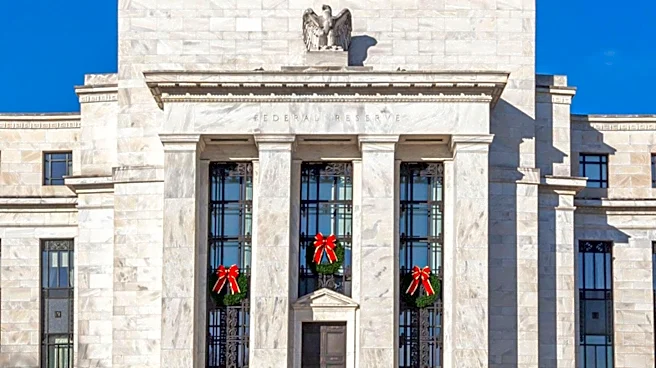
The Federal Reserve Board has announced an extension of the comment period until December 16 for its proposed third-party risk management guidance specifically tailored for Federal Reserve-supervised traditional community banks. This extension aligns
with a broader move by federal bank regulatory agencies, including the Federal Deposit Insurance Corporation (FDIC), the National Credit Union Administration (NCUA), and the Office of the Comptroller of the Currency (OCC), which also extended their comment period for general third-party risk management guidance. The original deadline for comments was November 16. The proposed guidance aims to help financial institutions, including community banks, customize their risk management practices to address the specific risks associated with their third-party relationships. It adopts a principles-based approach and is non-binding supervisory guidance. Once finalized, this guidance is intended to replace existing third-party risk management guidelines to foster consistency and prudent innovation within the banking sector.
Why It's Important?
This extension is significant for community banks as it provides them with additional time to review and provide feedback on the proposed guidance, which could directly impact their operational frameworks and compliance costs. Community banks often have different operational scales and resource capacities compared to larger financial institutions, making tailored guidance crucial for effective risk management without imposing undue burdens. The move by the Federal Reserve Board, in conjunction with other federal agencies, underscores a concerted effort to standardize and enhance third-party risk management across the U.S. financial system. This is particularly important given the increasing reliance of banks on third-party vendors for various services, which introduces complex risks related to data security, operational resilience, and regulatory compliance. The final guidance will shape how community banks assess, monitor, and mitigate these risks, potentially influencing their vendor selection processes and overall operational strategies.
What's Next?
Following the extended comment period, the Federal Reserve Board, along with the other federal bank regulatory agencies, will review the feedback received from community banks and other stakeholders. This input will be crucial in refining the proposed guidance before its finalization. Once the guidance is finalized, it will supersede existing third-party risk management guidelines, requiring community banks to adapt their current practices to align with the new framework. This may involve updating internal policies, enhancing vendor due diligence processes, and potentially investing in new technologies or personnel to ensure compliance. The agencies aim to promote consistency and prudent innovation, suggesting that the final guidance will seek a balance between robust risk management and fostering technological advancements within the banking industry. Community banks should prepare to implement these changes, which could involve training staff and adjusting their operational procedures to meet the updated regulatory expectations.
Beyond the Headlines
The emphasis on tailored guidance for community banks reflects a recognition of the diverse landscape within the U.S. banking sector. While larger institutions may have dedicated departments for risk management, community banks often operate with leaner teams, making prescriptive, one-size-fits-all regulations challenging to implement. This tailored approach could foster greater resilience among smaller financial institutions by allowing them to adopt risk management strategies that are proportionate to their size and complexity. Furthermore, the move highlights the evolving nature of financial risk, particularly with the increasing interconnectedness of financial institutions with third-party service providers. The guidance aims to address systemic risks that could arise from vulnerabilities in third-party relationships, thereby contributing to the overall stability of the financial system. The outcome will likely influence the competitive landscape, potentially encouraging more robust and secure third-party service offerings for the banking sector.