







What's Happening?
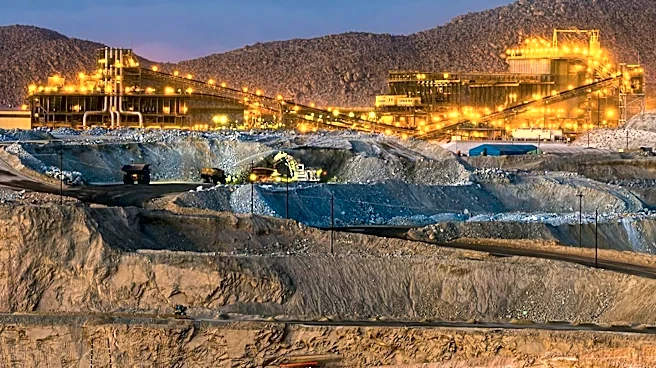
Sigma Lithium has surpassed its second quarter production guidance by 6%, producing 35,000 tonnes of lithium concentrate at its Grota do Cirilo Project in Brazil. Initially, the company had projected a production of 33,000 tonnes for the quarter. This
achievement follows a comprehensive upgrade and optimization of its mining operations. The Cleantech Industrial Plant of Sigma Lithium achieved a 70% lithium recovery rate from spodumene ore, with a yield of approximately 20%. The company has also reached full operational capacity with its expanded mining fleet, supported by an optimized mine plan. Sigma Lithium plans to construct a second Cleantech plant within the next 12 months, with the potential for a third facility. The current nameplate capacity of the company is 270,000 tonnes of lithium oxide concentrate annually, with future expansions aimed at increasing this capacity to 520,000 tonnes and 770,000 tonnes, respectively.
Why It's Important?
The increase in production by Sigma Lithium is significant for the lithium market, particularly as demand for lithium continues to rise due to its critical role in battery production for electric vehicles and renewable energy storage. By exceeding production targets, Sigma Lithium positions itself as a key player in the global lithium supply chain, potentially influencing market prices and availability. The expansion plans indicate a strategic move to capitalize on the growing demand, which could lead to increased revenue and market share for the company. This development is also important for the broader push towards sustainable energy solutions, as lithium is a crucial component in reducing reliance on fossil fuels.
What's Next?
Sigma Lithium is expected to release its full Q2 2026 financial and operating results on August 14, 2026. The company's plans to build additional Cleantech plants suggest a focus on scaling operations to meet future demand. Stakeholders, including investors and industry analysts, will likely monitor these developments closely, as they could impact the company's financial performance and strategic positioning in the lithium market. The expansion of production capacity may also attract attention from potential partners or buyers interested in securing a stable supply of lithium.