








What's Happening?
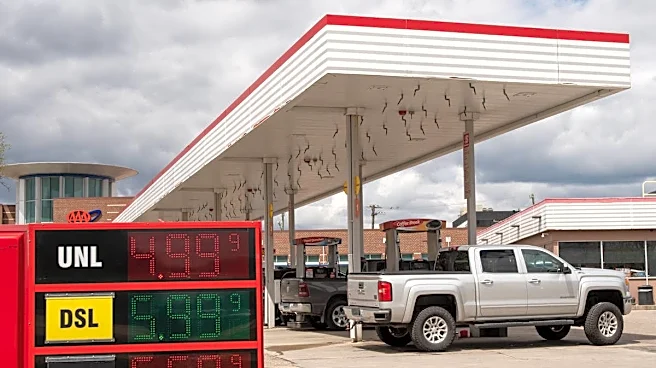
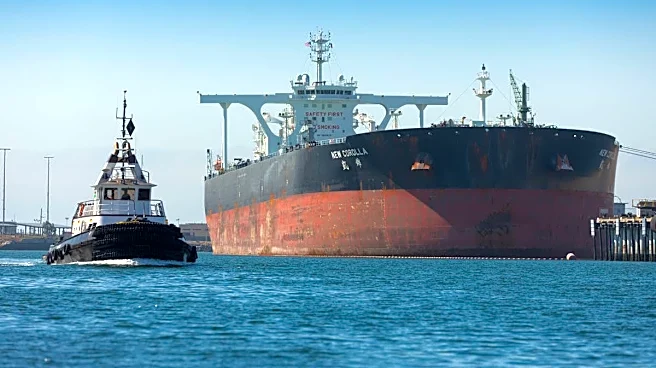
Gas prices in the U.S. have dropped by over 13% in the past month, with the national average now at $3.92 per gallon. This decline follows negotiations between the U.S. and Iran, which have eased tensions and allowed for the potential resumption of tanker
traffic through the Strait of Hormuz. Analysts suggest that this could lead to further decreases in oil prices, subsequently lowering fuel costs. However, they caution that the decline may slow as demand increases during the summer travel season and countries work to replenish depleted oil reserves.
Why It's Important?
The reduction in gas prices provides relief to consumers and can positively impact the broader economy by reducing transportation costs. However, the situation remains volatile, with potential risks of price spikes if negotiations falter or geopolitical tensions escalate. The ongoing discussions between the U.S. and Iran are crucial for maintaining stability in the oil market, which directly affects global energy prices and economic conditions.
What's Next?
As negotiations continue, the outcome will significantly influence future oil and gas prices. A successful agreement could stabilize the market and lead to sustained lower prices, while any setbacks could reverse recent gains. Analysts will be closely monitoring the situation, particularly the developments in the Strait of Hormuz, which is a critical chokepoint for global oil supply. The summer travel season will also play a role in determining demand and price trends.