






What's Happening?
Shield AI, a San Diego-based company, announced on November 5 its agreement to acquire radar maker Echodyne in a deal valued at up to $5.3 billion. The acquisition includes an upfront payment of $4.8 billion at closing, with an additional $500 million
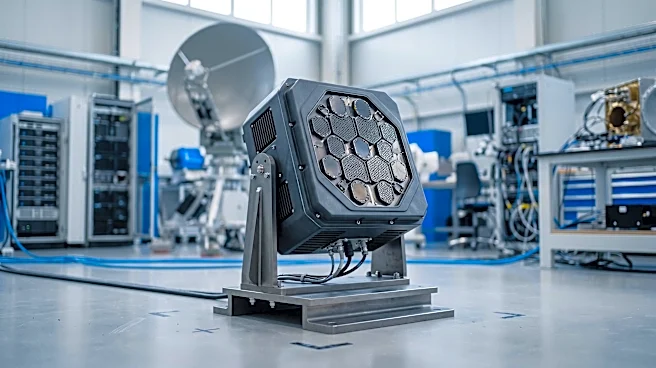
tied to performance targets. Concurrently, Shield AI is raising $2.5 billion at a $28.8 billion valuation, with a $1 billion Series H co-led by Disruptive and Innovation X Capital, and structured equity from Blackstone. Echodyne, based in Kirkland, Washington, specializes in compact radars that can track small, fast threats like drones, selling its products in over 40 countries. In September, Echodyne secured a counter-drone contract with the Pentagon, carrying a ceiling of $250 million. This acquisition is driven by the increasing prominence of drones in modern warfare, as demonstrated in Ukraine and the Middle East, where inexpensive drones can neutralize significant military assets. Shield AI aims to integrate Echodyne's sensing capabilities with its autonomy software, Hivemind, and autonomous systems like the V-BAT surveillance drone and X-BAT AI-piloted fighter jet, to offer comprehensive counter-drone solutions.
Why It's Important?
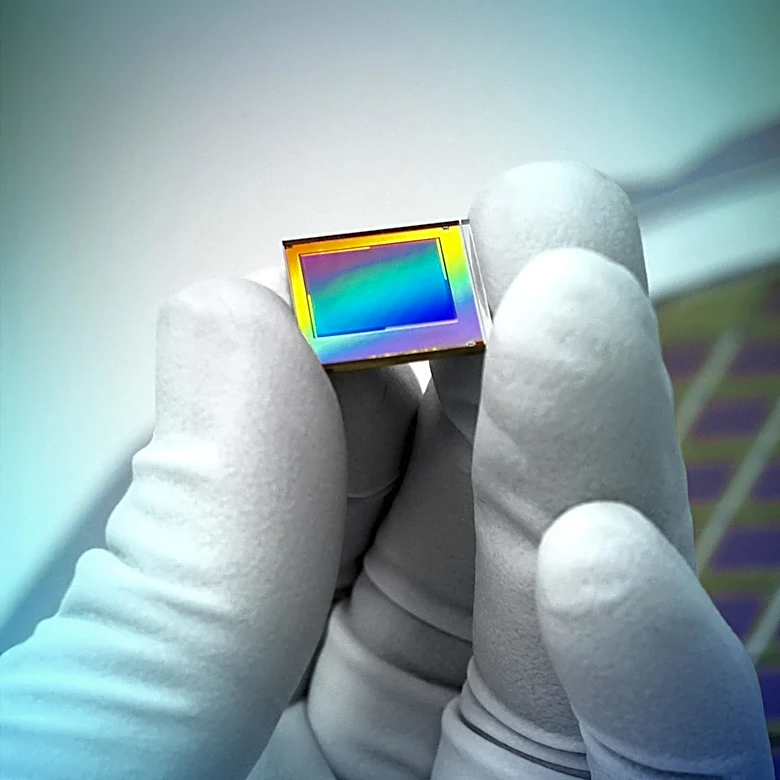
This acquisition marks a significant consolidation in the defense technology sector, highlighting the urgent priority placed on counter-drone capabilities by the Pentagon and private industry. The $5.3 billion deal underscores the perceived value and strategic importance of advanced radar technology in an era where drones are reshaping military operations. By integrating Echodyne's Metamaterials Electronically Scanned Array (MESA) radar technology, which can electronically steer its beam to track multiple targets simultaneously, Shield AI aims to create a more complete and effective counter-drone package. This move is crucial for U.S. national security, as it addresses the vulnerability of military forces and critical infrastructure to drone attacks. The Pentagon's $250 million contract with Echodyne further validates the need for such technologies. The deal also signifies a growing trend of private capital investment in defense tech, with investors recognizing the growth potential in this rapidly evolving field. The combined entity will be better positioned to compete with rivals and offer bundled solutions, potentially setting a new standard for counter-drone systems.
What's Next?
The deal is expected to close in early 2027, pending regulatory approvals. Echodyne will operate as its own business unit within Shield AI's mission systems division, with no planned workforce cuts or relocations. Echodyne will continue to sell its MESA radars to external government and commercial clients, expanding Shield AI's reach beyond its traditional government customer base. The integration of Echodyne's radar technology with Shield AI's autonomy software will likely lead to the development of more sophisticated and autonomous counter-drone systems. The success of this acquisition will be measured by Echodyne's ability to meet performance targets, which will unlock the additional $500 million payment. The defense tech market will closely watch how this consolidation impacts competition, with smaller counter-drone firms potentially facing pressure to merge or innovate to stay relevant. The deal also raises questions about the deployment of such advanced surveillance technologies in civilian contexts and the associated privacy concerns.
Beyond the Headlines
The Shield AI-Echodyne acquisition reflects a broader strategic shift in defense, where the ability to 'see first' is paramount in drone warfare. This emphasis on advanced sensing capabilities is transforming how military assets are protected and how conflicts are waged. The deal also highlights the increasing convergence of AI, autonomy, and sensor technologies in defense applications, moving towards a future where autonomous systems play a more significant role. The involvement of substantial private capital in this acquisition signals a growing confidence among investors in the defense tech sector, potentially leading to more venture capital flowing into startups focused on national security. However, the deployment of advanced radar systems, particularly in civilian areas, raises ethical and privacy concerns regarding surveillance and data collection. The balance between national security needs and civil liberties will be a critical discussion point as these technologies become more prevalent. This acquisition could also influence global defense markets, as other nations seek to acquire or develop similar comprehensive counter-drone solutions.