




What's Happening?
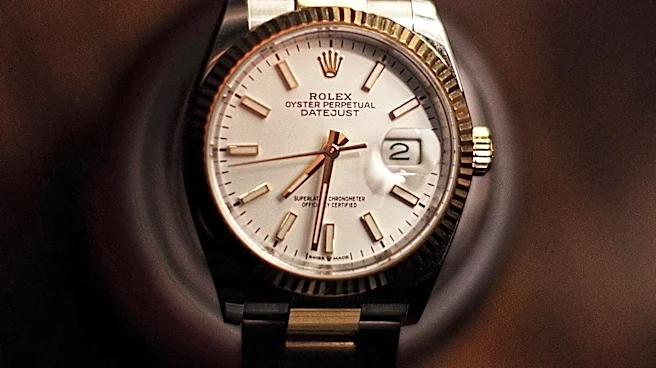
The secondary market for smaller Rolex watches, particularly the Datejust in 31 mm and 36 mm sizes, is seeing a notable surge in growth, according to industry experts. Eugene Tutunikov, CEO of SwissWatchExpo, a pre-owned dealer in Atlanta, states that
the growth velocity in classic mid-size and ladies' references is currently outpacing traditional Professional models like the Daytona, GMT-Master II, and Submariner. While these larger, more established models remain high-volume cornerstones with stable market prices, the real excitement and transaction acceleration are occurring in the classic lines. Paul Altieri, founder and CEO of Bob's Watches, another major pre-owned Rolex dealer, confirms this trend, noting dramatic increases in average prices for dainty references such as the 6827 and 6917 Datejust models. This shift is attributed to a rise in self-purchasing female collectors and a growing preference for unisex sizes, with the 36 mm Datejust becoming a popular choice for both men and women.
Why It's Important?
This trend signifies a significant evolution in the luxury watch collecting landscape, moving beyond the steel sport models that dominated during the early pandemic years. The increased interest and transaction volume in smaller, more feminine, and classic references indicate a diversification of the collector base, particularly with more women entering the market as serious collectors. This shift could lead to a re-evaluation of value and collectability across different watch categories, potentially increasing the long-term investment appeal of previously overlooked models. For dealers, it means adapting inventory and marketing strategies to cater to this expanding demand. The robust sales of high-end watches, including those over $30,000, are also seen as an indicator of a strong economy, with equities, the stock market, gold prices, and Bitcoin performing well, suggesting that high-net-worth individuals continue to spend on luxury goods.
What's Next?
The continued growth in demand for smaller and classic Rolex models is likely to further drive up their secondary market prices and collectability. As more women engage in watch collecting for the intrinsic value of the timepieces, rather than as mere jewelry additions, the market will likely see sustained interest in these references. This trend could also encourage other luxury watch brands to focus more on mid-size and unisex designs to capture this expanding demographic. Dealers will continue to monitor these shifts, potentially adjusting their acquisition and pricing strategies to capitalize on the increasing liquidity and interest in these segments. The sustained strength in high-end watch sales, as noted by Joshua Ganjei of European Watch Company, suggests that the market for special and iconic pieces will remain robust, with million-dollar valuations becoming more common.
Beyond the Headlines
The evolving demand in the luxury watch market reflects broader societal changes, including increasing financial independence and discerning tastes among women. The shift from a predominantly 'boys' club' to a more inclusive collecting community highlights a cultural maturation within the watch industry. This trend also underscores the dynamic nature of luxury markets, where perceived value and desirability can shift based on evolving consumer preferences and cultural influences, rather than solely on traditional metrics like rarity or historical significance. The embrace of unisex sizing further blurs traditional gender lines in luxury consumption, promoting a more fluid and personal approach to style and investment. This could lead to a more diverse and resilient market, less susceptible to the speculative bubbles seen in specific 'hype' models.