





What's Happening?
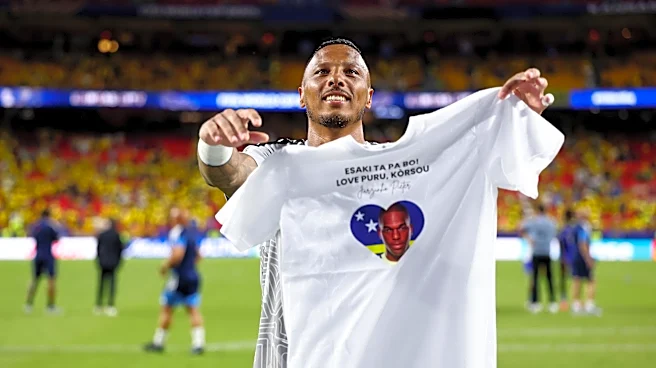
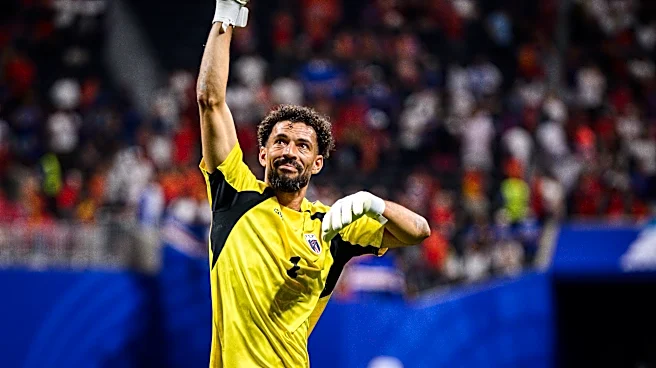
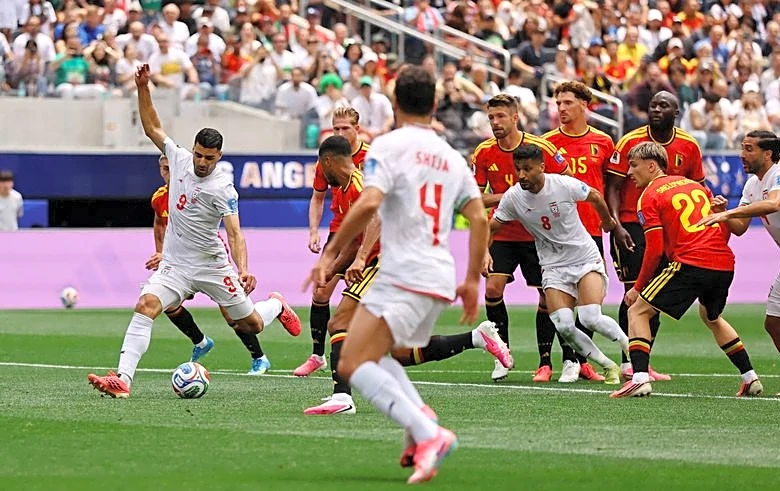
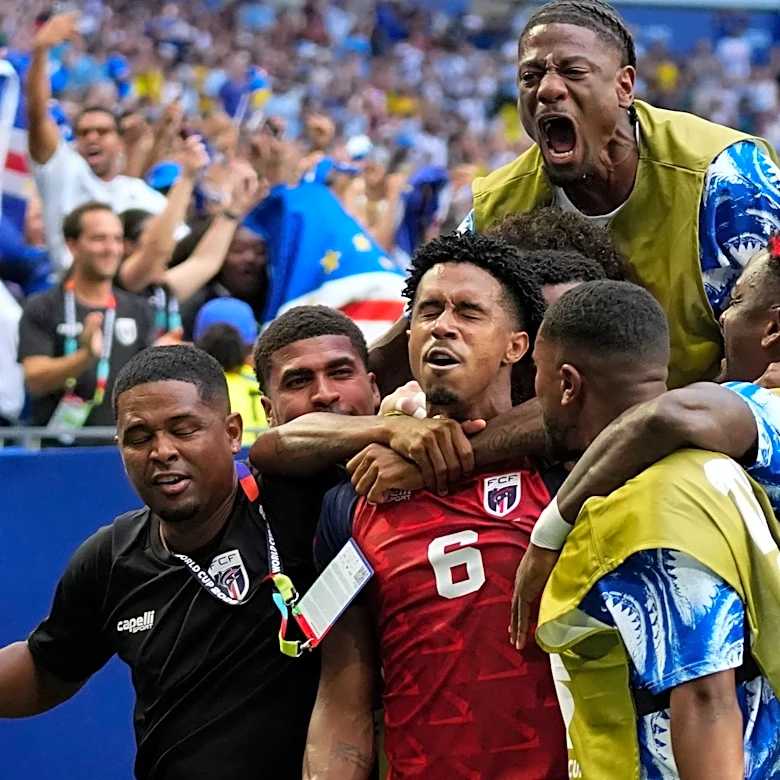
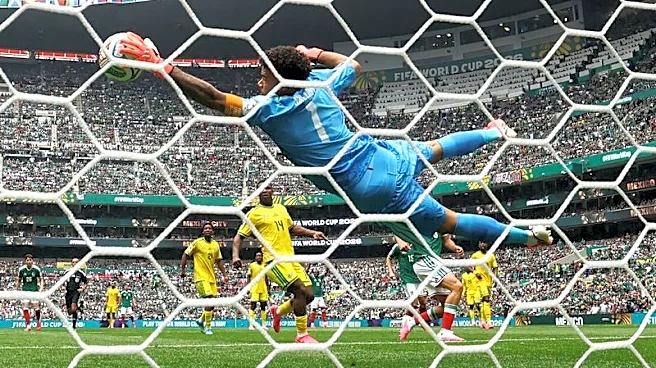
Curacao's national soccer team has made history by earning its first-ever World Cup point in a 0-0 draw against Ecuador. This achievement comes after a challenging debut where they were defeated 7-1 by Germany. Despite being the smallest nation to qualify
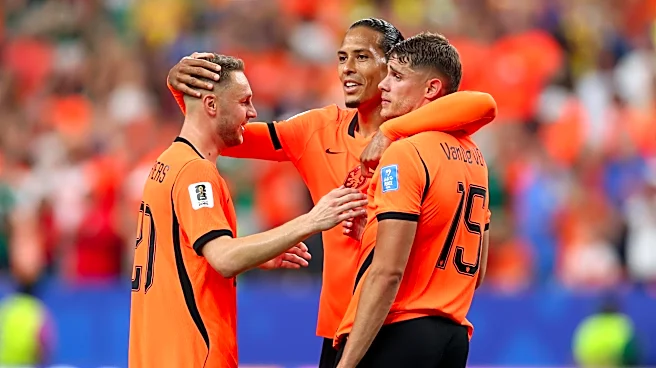
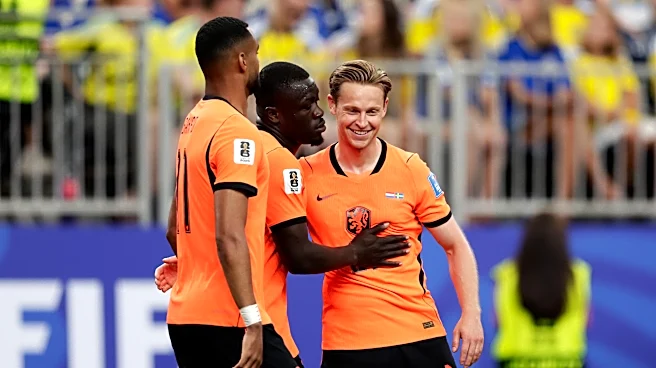
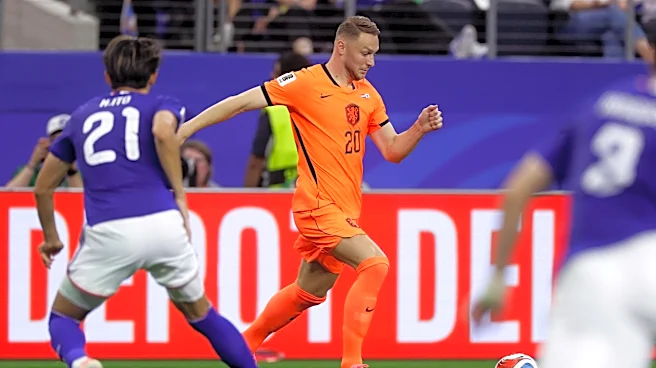
for the World Cup, Curacao's performance has galvanized its population and showcased the team's potential. The squad, largely composed of players with Dutch ties, has been bolstered by a pipeline of talent from the Netherlands. This development positions Curacao as a rising power in the CONCACAF region, traditionally dominated by teams like the US, Mexico, and Canada.
Why It's Important?
Curacao's success at the World Cup is significant as it challenges the traditional hierarchy within CONCACAF, a region where soccer powerhouses like the US, Mexico, and Canada have historically dominated. The team's performance not only boosts national pride but also highlights the potential for smaller nations to compete on the world stage. This could inspire other small nations within the region to invest in their soccer programs, potentially leading to a more competitive and diverse CONCACAF landscape. Additionally, the success of Curacao's team, largely composed of players with Dutch heritage, underscores the importance of international ties and talent pipelines in global sports.
What's Next?
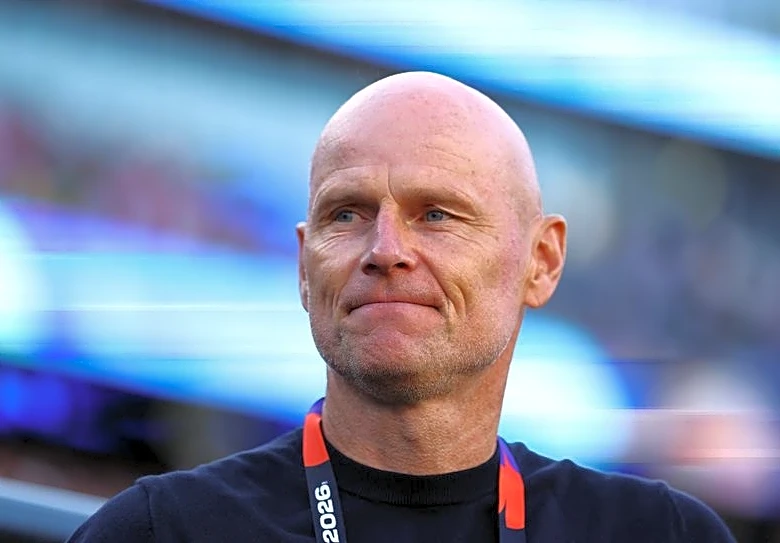
Curacao's next match against Ivory Coast presents an opportunity to advance to the knockout rounds, depending on the outcomes of other group matches. A win could secure their place in the next stage, further solidifying their status as a rising soccer nation. The team's continued success could lead to increased investment in soccer infrastructure and youth development programs in Curacao. Additionally, the potential need for a new coach after the World Cup, due to the current coach's age and personal circumstances, could bring fresh strategies and perspectives to the team.
Beyond the Headlines
Curacao's World Cup journey highlights broader themes of national identity and the role of sports in uniting diverse communities. The team's composition, with players of Dutch descent, reflects the complex cultural and historical ties between Curacao and the Netherlands. This dynamic raises questions about national representation and the influence of diaspora communities in international sports. Furthermore, Curacao's success could encourage other small nations to leverage their diaspora connections to enhance their competitive edge in global sports.