





What's Happening?
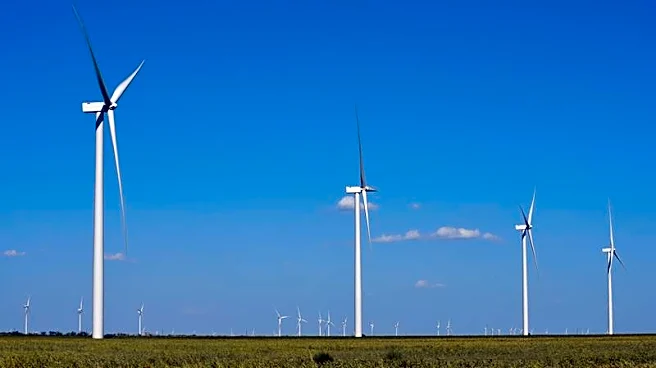
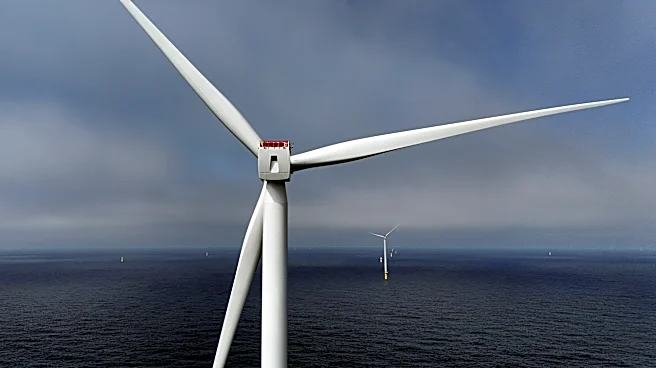
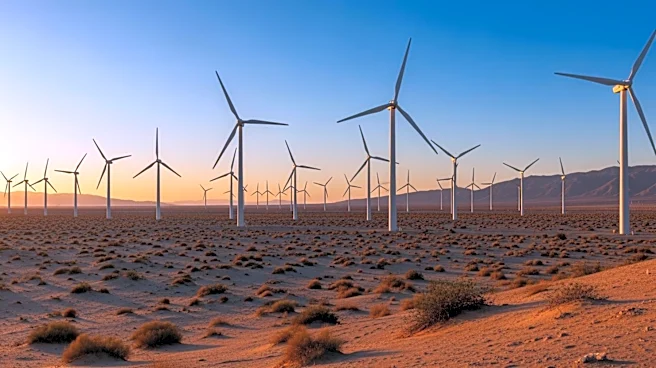
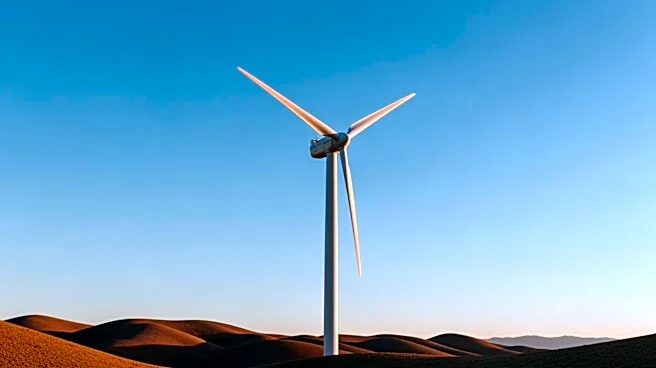
The SunZia wind project, a massive $11-billion initiative in New Mexico, is now operational, delivering clean energy to Arizona and California. Comprising 916 turbines and a 550-mile transmission line, the project can power up to one million homes. It
represents one of the largest clean energy projects in U.S. history and has already contributed to record wind generation on California's grid. The project faced numerous challenges, including ownership changes and legal battles over environmental and cultural impacts. Despite these hurdles, SunZia is now a key player in the transition to renewable energy in the western United States.
Why It's Important?
The SunZia project is a significant step forward in the U.S. transition to renewable energy, particularly in the context of the current administration's focus on fossil fuels. It demonstrates the potential for large-scale renewable projects to meet growing energy demands while reducing reliance on fossil fuels. The project's success could encourage further investment in renewable infrastructure, supporting job creation and economic growth in the clean energy sector. Additionally, it highlights the importance of overcoming regulatory and environmental challenges to achieve sustainable energy goals. The project's impact extends beyond California, as it sets a precedent for future renewable energy initiatives across the country.
What's Next?
As SunZia becomes fully integrated into the energy grid, it is expected to continue breaking records for wind power generation. The project's success may lead to increased interest and investment in similar large-scale renewable energy projects. Policymakers and industry leaders will likely focus on streamlining permitting processes to facilitate the development of additional infrastructure. The ongoing legal challenges related to environmental and cultural concerns may influence future project planning and execution. Stakeholders will need to balance the benefits of renewable energy with the need to protect sensitive ecosystems and cultural sites.