








What's Happening?
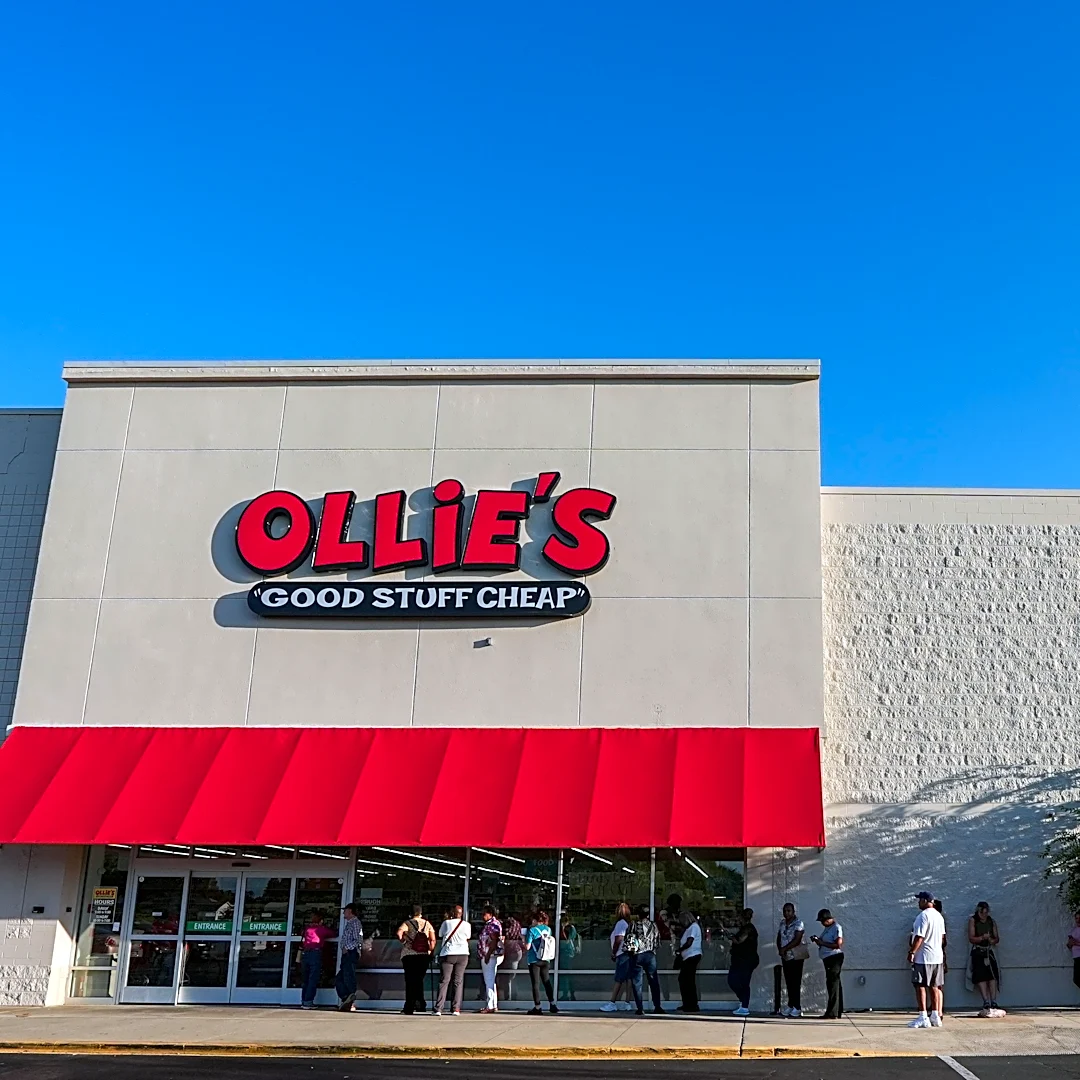
A new trend in thrifting shows distinct generational preferences and motivations for second-hand shopping. Gen Z is leading the charge, with 62% having purchased thrifted or consignment goods in the past year, primarily driven by a commitment to sustainability
and a desire for individuality. They are drawn to unique, fun, strange, or nostalgic items, often gravitating towards 70s and 80s aesthetics like chrome, bold colors, and sculptural forms, as well as 'grandmacore' styles. Millennials, on the other hand, are motivated by the hunt for bargains and the potential for upcycling and DIY makeovers, seeking to create personal style amidst economic challenges. They often look for midcentury modern and Victorian-era pieces. Baby Boomers are contributing to a 'golden age of thrifting' by downsizing, releasing storied possessions into the market. Their thrifting is often driven by nostalgia, seeking items from their childhood homes and brands known for quality in the 80s and 90s, such as Pyrex dishes, Depression glass, and cast-iron kitchenware. This collective interest across generations highlights a broader shift towards valuing unique, pre-owned items.
Why It's Important?
The rise in thrifting across generations signifies a notable shift in consumer behavior within the U.S. retail landscape. For businesses, this trend indicates a growing market for second-hand goods and a potential challenge to traditional retail models, as consumers increasingly prioritize value, uniqueness, and sustainability over new purchases. The strong emphasis on sustainability by Gen Z suggests that brands and retailers will need to adapt their strategies to align with environmentally conscious consumer values, potentially by offering more sustainable products or engaging in circular economy initiatives. The influx of Baby Boomer possessions into the market creates a unique supply chain for vintage and antique dealers, impacting pricing and availability of certain items. Furthermore, the DIY and upcycling culture among Millennials points to a demand for products and services that support customization and personalization, influencing industries from home decor to fashion. This evolving consumer preference for thrifting also has implications for waste reduction and resource conservation, contributing to broader environmental goals.
What's Next?
The continued growth of thrifting is likely to spur further innovation in the second-hand market, including the expansion of online consignment platforms and curated vintage shops. Retailers may explore partnerships with resale platforms or integrate circular economy models into their business operations to cater to sustainability-minded consumers. Social media will continue to play a significant role in popularizing thrifting, with 'thrift hauls' and DIY projects inspiring more individuals to engage in second-hand shopping. As more Baby Boomers downsize, the supply of vintage items is expected to remain robust, potentially leading to increased competition among buyers and sellers in the antique and collectibles market. Designers and influencers will likely continue to promote mixing old and new pieces, further integrating thrifted finds into mainstream home decor and fashion. Educational resources and workshops on upcycling and furniture restoration may also see increased demand as consumers seek to personalize their finds.
Beyond the Headlines
Beyond the immediate economic and retail implications, the widespread embrace of thrifting reflects deeper cultural and societal shifts. The emphasis on sustainability, particularly among younger generations, underscores a growing awareness of environmental impact and a desire for more conscious consumption. Thrifting also challenges the fast-fashion and disposable culture, promoting a more mindful approach to acquiring goods. The act of finding unique, storied pieces fosters a sense of individuality and personal expression, moving away from mass-produced uniformity. This trend can also be seen as a form of rebellion against consumerism, where the value of an item is not solely determined by its newness or brand, but by its history, character, and potential for reinvention. The intergenerational aspect of thrifting, with items passing from one generation to another, also highlights a continuity of cultural heritage and a renewed appreciation for craftsmanship and durability from past eras.