


What's Happening?
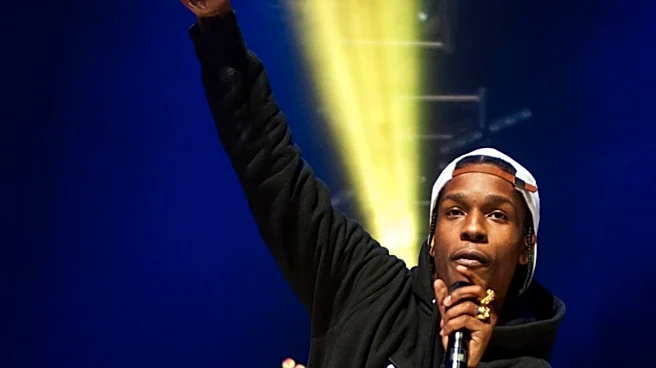
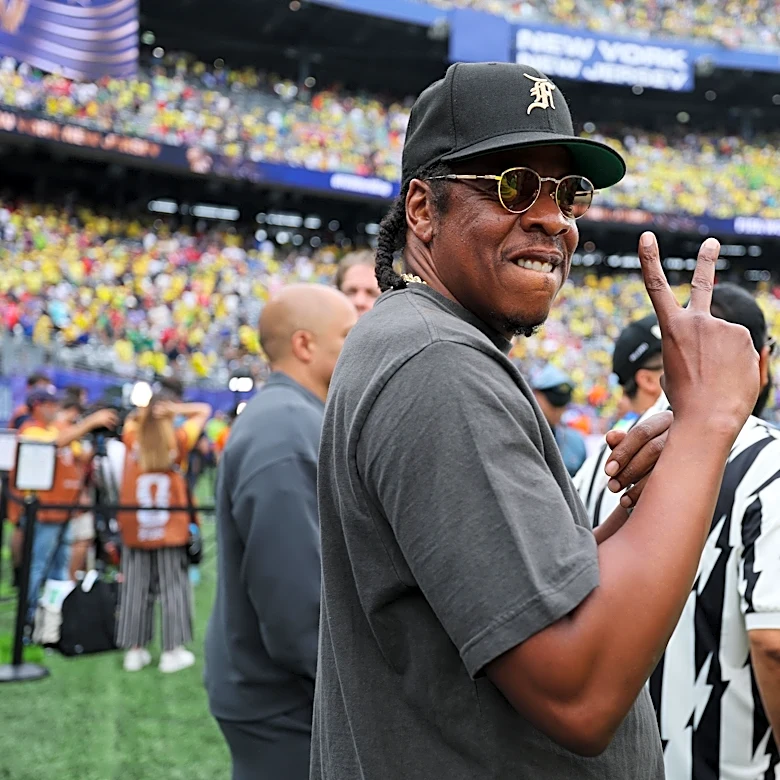
Meek Mill has publicly challenged Live Nation, stating he will quit his rap career and step down from his role at REFORM Alliance if his plan to independently book and promote a New York City concert before 2027 proves him wrong. This declaration follows
a dispute with Live Nation regarding his exclusive deal, which he claims restricted his ability to accept offers from other promoters and resulted in undesirable tour routing and insufficient promotion. Mill's 'Dream Chasers Nights' tour began in Philadelphia on November 24, but all subsequent dates, including Los Angeles, Boston, Baltimore, Chicago, and Atlanta, have been canceled. He specifically questioned the decision to route his tour to Los Angeles before New York, asserting that New York should have been the immediate follow-up to Philadelphia. Mill plans to fund and produce his own New York show to demonstrate what he believes has been hindering his career, emphasizing that his issue is with the system rather than Live Nation CEO Michael Rapino personally, who serves on the board of REFORM Alliance.
Why It's Important?
This public challenge by Meek Mill against Live Nation highlights significant issues within the music industry's artist-promoter relationships, particularly concerning exclusive deals and tour management. His willingness to stake his career and his position at REFORM Alliance underscores the depth of his frustration and could potentially expose systemic problems that other artists might also face. If Mill successfully executes his independent New York concert and demonstrates a better outcome, it could empower other artists to scrutinize their own contractual agreements and demand more control over their careers. Conversely, if his independent venture falters, it could reinforce the perceived necessity of major promoters like Live Nation. The involvement of Michael Rapino, CEO of Live Nation, on the board of REFORM Alliance, an organization co-chaired by Mill, adds a layer of complexity, raising questions about potential conflicts of interest or the influence of industry giants on advocacy groups.
What's Next?
Meek Mill's immediate next step is to organize and execute his self-funded and self-promoted New York City concert before 2027. The success or failure of this event will be crucial in determining the future of his rap career and his involvement with REFORM Alliance, as he has publicly stated he will quit both if his plan fails. The music industry will likely be watching closely to see how this independent venture unfolds, as it could set a precedent for artist autonomy or reinforce the dominance of major promoters. Live Nation's response, if any, to Mill's public accusations and independent concert plans remains to be seen. This situation could also spark broader discussions among artists, managers, and legal professionals about the fairness and transparency of exclusive promotional contracts in the entertainment industry.
Beyond the Headlines
Meek Mill's dispute transcends a typical artist-promoter disagreement, touching upon broader themes of artistic control, economic power dynamics in the entertainment industry, and the role of artists in social justice advocacy. His challenge to Live Nation can be viewed as a fight for creative and financial independence against a system often criticized for its monopolistic tendencies. The fact that Live Nation CEO Michael Rapino sits on the board of REFORM Alliance, an organization co-founded by Mill to advocate for criminal justice reform, introduces an ethical dimension. It raises questions about how corporate interests intersect with social advocacy and whether such dual roles can create perceived or actual conflicts. This situation could ignite a wider conversation about the ethical responsibilities of industry leaders who also participate in non-profit organizations aimed at systemic change, especially when their corporate practices are simultaneously being challenged by those they aim to help.