





What's Happening?
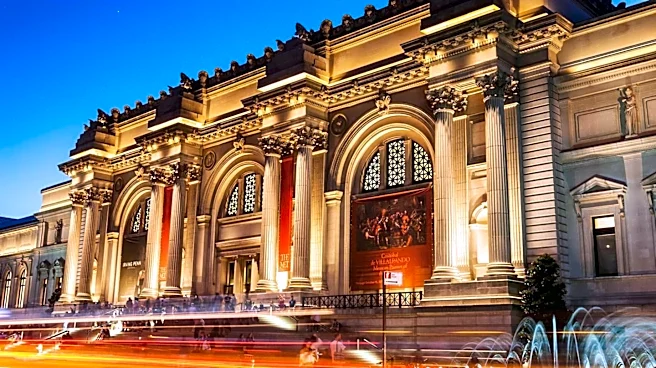
The Metropolitan Museum of Art recently hosted a cocktail party to mark the groundbreaking of its forthcoming Oscar L. and H.M. Agnes Hsu-Tang Wing for Modern and Contemporary Art. The event, held high above Fifth Avenue, celebrated the initiation of a project
years in the making. Max Hollein, the museum's director, emphasized the importance of living artists to the institution's vision, stating that the new wing will foster a significant conversation between contemporary art and art from all periods. Frida Escobedo, the architect for the project, highlighted the concept of architecture as an ongoing transformation, drawing inspiration from the unfinished stone blocks on the museum's Fifth Avenue facade. Oscar Tang, whose catalytic gift with his wife, Agnes Hsu-Tang, helped launch the project, noted that the couple had long advocated for the Met to expand its focus on modern and contemporary Asian art. The conversation that led to this development began during the height of the pandemic, culminating in this exciting new chapter for the museum.
Why It's Important?
This groundbreaking signifies a major expansion and modernization for one of the United States' most prominent cultural institutions. The Oscar L. and H.M. Agnes Hsu-Tang Wing will significantly enhance the Metropolitan Museum of Art's capacity to showcase modern and contemporary art, particularly focusing on Asian art, which reflects a growing recognition of diverse artistic contributions. This development is crucial for maintaining the museum's relevance and appeal to a broader, more global audience. By integrating contemporary works and fostering dialogue with historical collections, the Met aims to remain a dynamic cultural hub rather than a static monument. The project also marks a historic moment as Frida Escobedo becomes the first woman to design a wing in the Met’s history, underscoring a commitment to diversity and innovation in architectural design within major cultural institutions. This expansion could attract new patrons, increase visitor engagement, and further solidify New York City's status as a global art capital.
What's Next?
Following the groundbreaking ceremony, the construction of the Oscar L. and H.M. Agnes Hsu-Tang Wing will commence. The project will involve significant architectural and curatorial work to integrate the new wing with the existing museum structure and collections. The Met will likely continue its fundraising efforts to support the extensive undertaking. Once completed, the new wing is expected to host a wider array of modern and contemporary exhibitions, potentially drawing increased attendance and critical attention. The museum will also focus on developing programming and educational initiatives that leverage the expanded focus on modern and contemporary Asian art. The involvement of artist Jeffrey Gibson in the groundbreaking ceremony, encouraging guest participation in an impromptu musical gathering, suggests a future direction for the Met to incorporate more interactive and performance-based art experiences, further engaging the public with its evolving artistic vision.
Beyond the Headlines
The development of the Oscar L. and H.M. Agnes Hsu-Tang Wing reflects a broader trend in major U.S. cultural institutions to adapt to changing artistic landscapes and audience expectations. By emphasizing modern and contemporary art, especially from diverse global perspectives, the Met is addressing the need to remain relevant in a rapidly evolving cultural environment. The project's focus on Asian art also highlights the increasing influence and recognition of non-Western art forms in the global art world. Architect Frida Escobedo's approach, viewing the building as an ongoing transformation rather than a finished monument, speaks to a philosophical shift in how museums perceive their role—not merely as custodians of the past, but as active participants in shaping contemporary cultural discourse. This initiative could inspire other institutions to re-evaluate their collections and exhibition strategies, fostering a more inclusive and dynamic representation of art history and contemporary practice.