




What's Happening?
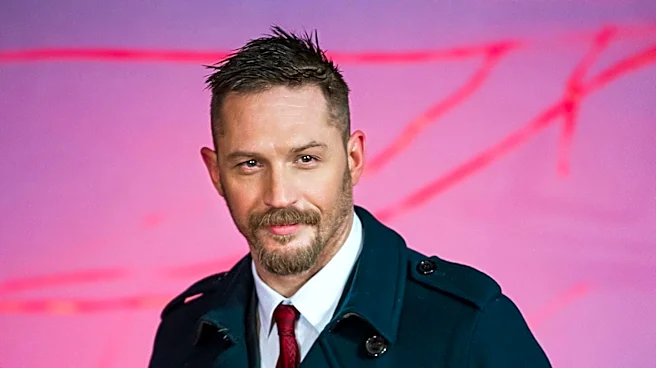
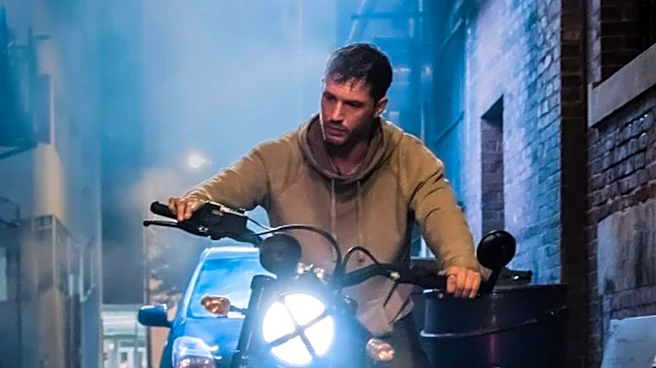
Tom Hardy's character, Harry Da Souza, in the second season of 'MobLand' is setting new trends in menswear, moving beyond typical mobster attire. Da Souza, who serves as a fixer for the Harrigan family, showcases a wardrobe that blends classic pieces
with practical style, suitable for various settings from London's backstreets to country estates. His attire includes a distinctive wax jacket, a chunky silver curb chain bracelet, a long dark overcoat, dark wash straight-leg jeans, and a sophisticated holiday shirt. These items are highlighted for their versatility and timeless appeal, offering a departure from the usual on-screen mobster fashion. The show's costume choices emphasize quality and fit, making these looks accessible for viewers to emulate on a budget.
Why It's Important?
The influence of 'MobLand' on menswear is significant as it demonstrates how popular culture, particularly television series, can shape fashion trends and consumer choices. By presenting a mob character with a refined yet practical style, the show challenges conventional portrayals and offers a more sophisticated aesthetic. This trend can impact the retail sector, driving demand for specific clothing items like wax jackets, overcoats, and dark denim. For consumers, it provides inspiration for building a versatile wardrobe that prioritizes quality and fit over fleeting trends. The emphasis on classic pieces also promotes a more sustainable approach to fashion, encouraging investment in durable items that can be styled in multiple ways.
What's Next?
The continued popularity of 'MobLand' and Tom Hardy's character could lead to a sustained interest in the specific menswear items featured in the show. Retailers may capitalize on this by offering similar styles, potentially creating capsule collections inspired by Da Souza's wardrobe. Fashion commentators and stylists are likely to further dissect and promote these looks, solidifying their place in contemporary menswear. This trend might also encourage other television productions to pay closer attention to character styling as a means of influencing fashion and engaging audiences beyond the narrative. The focus on classic, well-made garments could also contribute to a broader shift in consumer preferences towards quality and longevity in clothing.
Beyond the Headlines
Beyond the immediate fashion trends, the styling of Harry Da Souza in 'MobLand' reflects a deeper cultural shift towards appreciating understated elegance and practicality in men's fashion. It suggests a move away from ostentatious displays of wealth or power, even within a criminal context, towards a more grounded and authentic presentation. This could have broader implications for how masculinity is portrayed in media, emphasizing competence and quiet confidence through attire rather than overt aggression. The show's ability to make 'mob style' aspirational without glorifying criminal activity highlights the power of costume design to convey complex character traits and influence societal perceptions of style and identity.