






What's Happening?
Thom Browne, the fashion label, experienced a revenue decline in the first nine months of the current financial year. The brand's revenue totaled €168.5 million, marking a 5.0% drop at current exchange rates and 2.2% on an organic basis. In the third
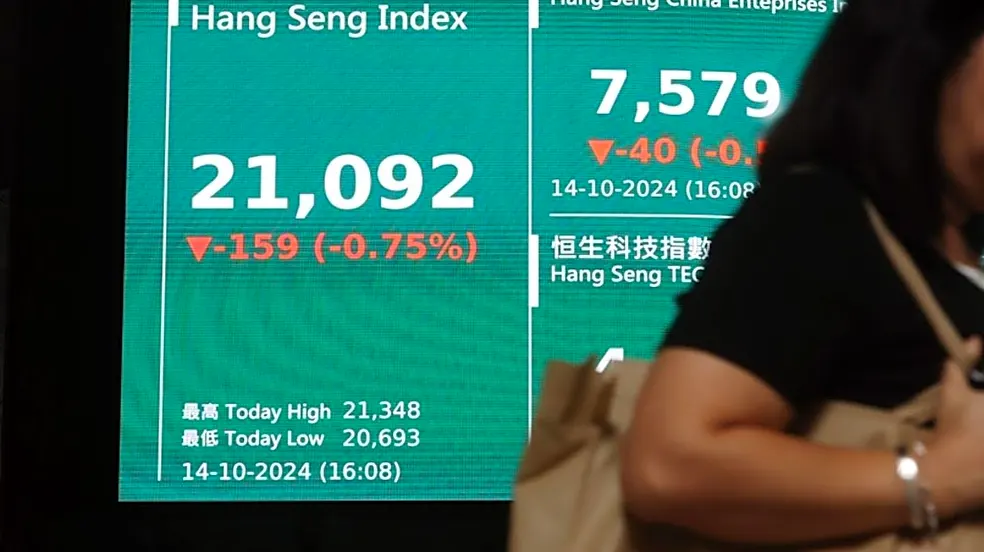
quarter alone, Thom Browne's revenue was €45.4 million, a decrease of 5.9% at current exchange rates and 7.4% on an organic basis. This downturn is primarily attributed to a slowdown in consumer spending within Greater China and a strategic rationalization of the brand's wholesale network. The parent company, Zegna Group, noted that while other brands in its portfolio showed growth, Thom Browne was the only weak spot in its financial performance for the period.
Why It's Important?
The revenue decline for Thom Browne highlights the challenges faced by luxury fashion brands in navigating shifting consumer behaviors and market dynamics, particularly in key regions like Greater China. The strategic decision to rationalize the wholesale network, aimed at preserving brand exclusivity and optimizing distribution, indicates a broader industry trend where luxury brands are re-evaluating their sales channels. This move, while potentially beneficial for long-term brand positioning, can lead to short-term revenue contractions. The impact on the U.S. market, where Thom Browne has a significant presence, could manifest in adjusted retail strategies and product availability as the brand adapts to these global pressures. The performance of a prominent U.S.-born designer's label also reflects on the overall health and adaptability of American luxury fashion in an international context.
What's Next?
Thom Browne is expected to continue its strategic adjustments to address the revenue decline. This may involve further optimization of its distribution channels, potentially focusing more on direct-to-consumer sales to gain greater control over brand experience and pricing. The brand will likely monitor consumer spending trends in Greater China closely and adapt its marketing and sales strategies to re-engage this crucial market. There could also be an increased emphasis on other geographical regions, such as the Americas, which have shown resilience for the Zegna Group. The brand's future performance will depend on the effectiveness of these strategic shifts and the broader economic recovery in key luxury markets.
Beyond the Headlines
The situation with Thom Browne underscores a significant shift in the luxury retail landscape, moving away from broad wholesale distribution towards more controlled and exclusive channels. This strategy, while aimed at protecting brand image and value, can create tension with traditional retail partners and impact market accessibility. The reliance on the Greater China market for luxury brands also exposes them to geopolitical and economic fluctuations, highlighting the need for diversified market strategies. Furthermore, the emphasis on 'exclusivity' and 'optimization' reflects a broader industry trend where luxury is increasingly defined by curated experiences and limited availability, rather than widespread presence. This could lead to a more segmented luxury market, with brands like Thom Browne catering to a highly discerning clientele through carefully managed channels.