







What's Happening?
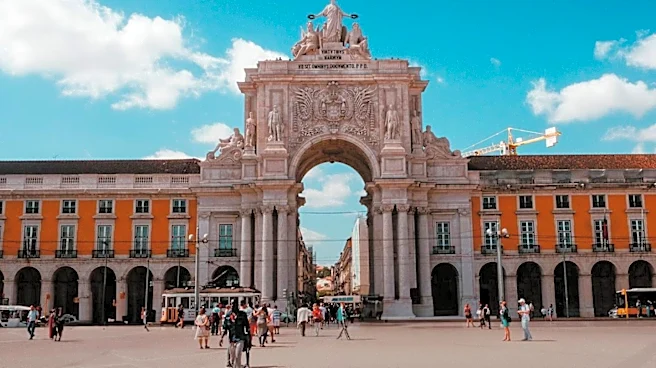
Lisbon, Portugal, presents a wide array of attractions for visitors, encompassing historical landmarks, cultural experiences, and culinary delights. Key historical sites include the Belem Tower and the Jeronimos Monastery, both part of the Belem Complex
and recognized as World Heritage properties. The Belem Tower, built around 1514, commemorates Vasco da Gama's expedition to India, while the Jeronimos Monastery, dating back to 1502, was commissioned by King D. Manuel I. Sao Jorge Castle, perched above the Alfama district, offers panoramic city views and showcases artifacts from various historical periods. Beyond historical monuments, Lisbon is known for its distinctive azulejo tiles, found throughout the city on buildings and metro stations. Culinary tours are also a popular activity, allowing visitors to sample local delicacies like Bacalhau, Pastel de Nata, and Ginjinha. Additionally, unique experiences such as the HIPPOtrip Amphibious Tour provide a different perspective of the city from both land and the Tagus River.
Why It's Important?
Lisbon's rich tapestry of attractions makes it a significant European tourist destination, drawing visitors interested in history, culture, and gastronomy. The preservation and accessibility of sites like the Belem Tower, Jeronimos Monastery, and Sao Jorge Castle contribute to the city's cultural heritage and provide educational experiences for tourists. The widespread presence of azulejo tiles not only adds to Lisbon's unique aesthetic but also tells a story of its post-1755 earthquake reconstruction and artistic evolution. The thriving food tour industry highlights Portugal's culinary traditions, offering an immersive way for visitors to engage with local culture and support local businesses. The variety of attractions, from historical tours to amphibious adventures, caters to a broad demographic, enhancing Lisbon's appeal as a versatile travel destination and contributing significantly to its tourism economy.
What's Next?
Lisbon will continue to attract a diverse range of tourists, with ongoing efforts to maintain and promote its historical sites and cultural offerings. The city's tourism sector will likely continue to innovate, potentially introducing new tour experiences or enhancing existing ones to cater to evolving traveler preferences. Events like football matches, such as the upcoming Manchester United vs. Sporting Lisbon game, will continue to draw specific groups of visitors, prompting guides to highlight attractions beyond sporting events. The city's commitment to preserving its unique architectural elements, like the azulejo tiles, will ensure these cultural markers remain a draw. As tourism trends shift, Lisbon may also focus on sustainable tourism practices to manage visitor impact on its historical sites and local communities, ensuring the long-term appeal and preservation of its unique character.
Beyond the Headlines
Lisbon's enduring appeal as a tourist destination reflects a broader trend in global travel where visitors seek authentic cultural immersion alongside historical exploration. The city's ability to blend its ancient past with modern vibrancy, evident in its preserved monuments and contemporary culinary scene, offers a compelling model for urban tourism. The ubiquitous azulejo tiles, for instance, are more than just decorative elements; they are a visual narrative of Lisbon's resilience and artistic identity, transforming everyday architecture into a city-wide art gallery. This integration of history, art, and daily life creates a deeply immersive experience that goes beyond typical sightseeing. Furthermore, the emphasis on food tours underscores the growing importance of gastronomy as a cultural gateway, allowing visitors to connect with the local heritage through taste and tradition, fostering a deeper understanding and appreciation of Portuguese culture.