









What's Happening?
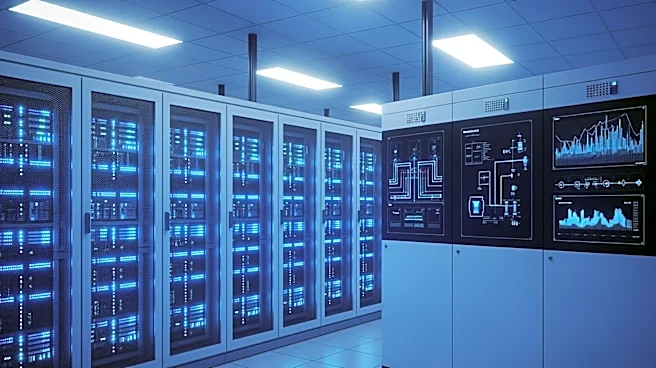
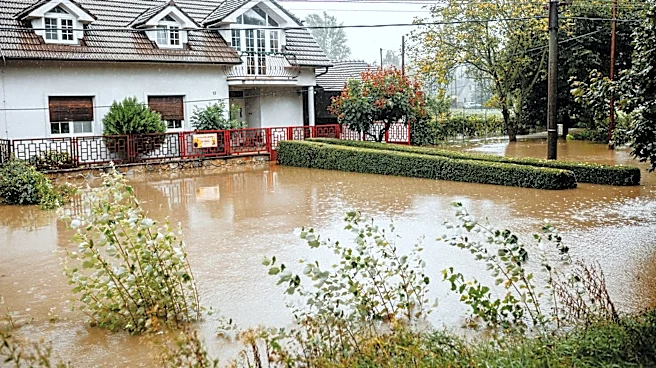
A recent study by First Street, a climate risk analytics firm, has found that nearly 80% of global data center capacity is at elevated risk from acute climate hazards such as flooding, extreme winds, and wildfires. These hazards pose significant threats
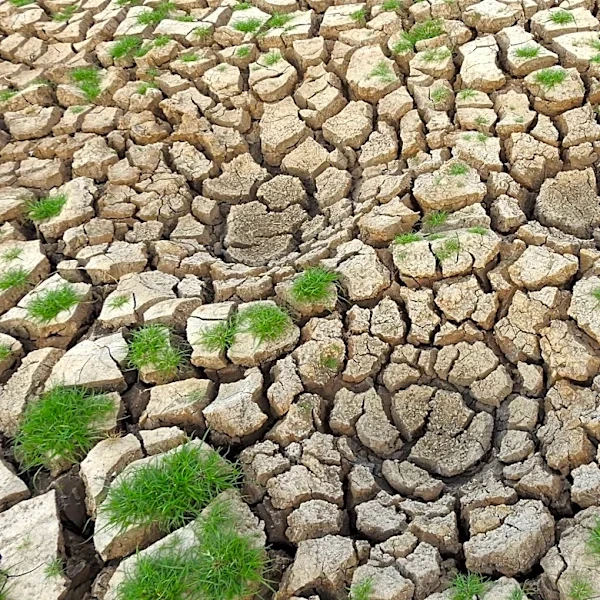
to data center operations, potentially leading to increased downtime and higher insurance and repair costs. The study examined 97 global data center markets and highlighted that over half of these centers are located in areas exposed to chronic climate stress, including extreme heat and drought, which can affect energy efficiency and operational costs.
Why It's Important?
Data centers are critical infrastructure for the digital economy, supporting everything from cloud computing to online services. The increased risk from climate hazards could lead to significant financial losses and operational disruptions. As data centers are typically expected to operate for 20 to 30 years, failing to account for climate risks in their development could result in mispriced investments and increased vulnerability to climate change. This underscores the need for investors and operators to incorporate climate risk assessments into their planning and decision-making processes.
What's Next?
The study suggests that investors who consider climate risks in their underwriting and capital allocation decisions will be better positioned to identify resilient markets and avoid mispriced risks. This may lead to a shift in investment strategies, with a focus on developing data centers in areas less susceptible to climate hazards. Additionally, there may be increased demand for innovative solutions to enhance the resilience of existing data centers, such as improved cooling technologies and sustainable energy sources.
Beyond the Headlines
The findings highlight the broader implications of climate change on infrastructure and the economy. As climate risks become more pronounced, there is a growing need for comprehensive risk management strategies that address both acute and chronic climate impacts. This situation also raises questions about the role of government policies in supporting climate-resilient infrastructure development and the responsibility of businesses to adapt to changing environmental conditions.