







What's Happening?
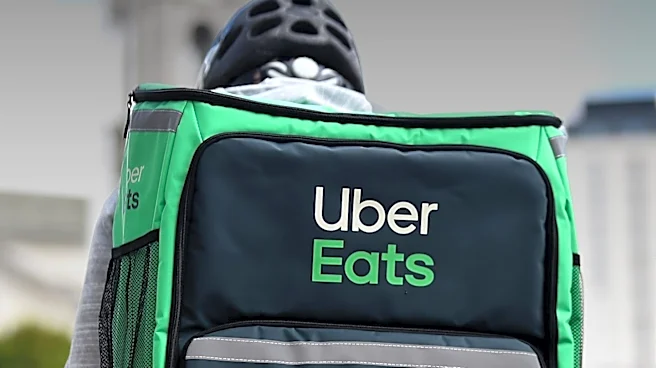
Uber Eats is expanding its fast grocery delivery services in Kingstown, North Carolina, offering same-day delivery from various local stores, including supermarkets, convenience stores, and neighborhood delis. Customers can expect their groceries to arrive
in as little as 25 minutes, with the ability to track their order's estimated time of arrival. The platform also provides an option for grocery pickup from select stores. This service aims to make grocery shopping quick and easy for residents, covering a wide range of everyday essentials, fresh produce, pantry staples, and household items. Availability of stores and delivery times may vary by specific location within Kingstown.
Why It's Important?
The expansion of Uber Eats' fast grocery delivery in Kingstown, North Carolina, is significant for several reasons. It enhances convenience for local residents, providing quick access to groceries and reducing the need for physical store visits. This service can also benefit local businesses by offering an additional sales channel and expanding their customer reach without requiring them to manage their own delivery logistics. The rapid delivery times, as short as 25 minutes, set a new standard for consumer expectations in the region, potentially influencing other delivery services and traditional retailers to improve their speed and efficiency. Economically, it contributes to the growth of the gig economy in Kingstown, creating flexible work opportunities for delivery drivers. This development reflects a broader national trend towards on-demand services and digital convenience in the retail sector.
What's Next?
The continued growth of Uber Eats' grocery delivery service in Kingstown is expected, potentially leading to an increase in partner stores and an expansion of service areas within and around the town. We may see other delivery platforms or local grocery chains respond by enhancing their own delivery capabilities or forming partnerships to remain competitive. The success of this rapid delivery model could also encourage further investment in local logistics infrastructure to support the increased demand. As more consumers adopt these services, there might be a shift in local shopping habits, with a greater reliance on online ordering for daily necessities. Uber Eats will likely focus on optimizing delivery routes and improving customer experience to maintain its competitive edge in the evolving market.
Beyond the Headlines
The proliferation of fast grocery delivery services like Uber Eats in smaller U.S. towns like Kingstown points to a broader transformation of local economies and consumer behavior. It highlights the increasing integration of technology into everyday life, even in areas traditionally less served by advanced digital services. This trend raises questions about the future of local main street businesses, as convenience shifts from physical proximity to digital accessibility. Furthermore, the environmental impact of increased delivery vehicle traffic in residential areas, including emissions and noise pollution, becomes a more pressing concern. The reliance on gig workers for these services also brings into focus discussions about labor practices, worker benefits, and the sustainability of such employment models in local communities. Ultimately, these services are not just about delivering groceries but are reshaping the social fabric and economic dynamics of American towns.