

What's Happening?
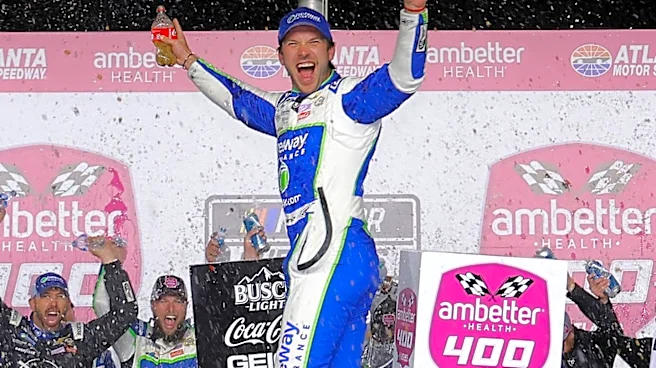
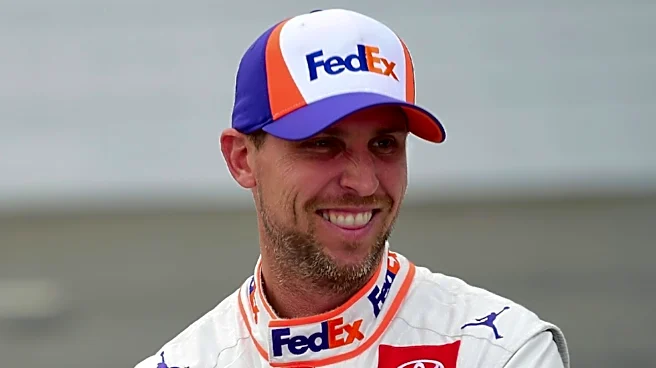
NASCAR driver Denny Hamlin has publicly accused fellow Chevrolet teams of operating under the direct orders of team owner Rick Hendrick. Speaking on his 'Actions Detrimental' podcast, Hamlin praised Kyle Larson's performance at Talladega Superspeedway
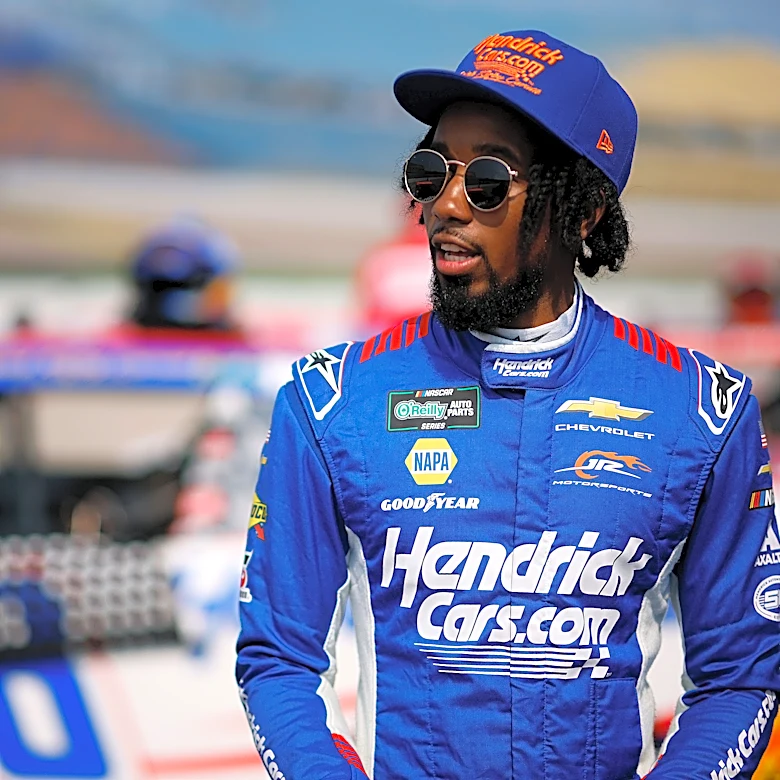
but suggested that Larson benefited from strategic support from other Chevrolet drivers. He specifically cited William Byron repeatedly pushing Larson for stage points and Ross Chastain, who was a lap down, disrupting the outside lane to aid Larson. Hamlin stated that drivers like Chastain are at the bottom of a 'totem pole' where Hendrick and Chevrolet dictate team strategy, leaving drivers with 'no choice' but to comply. He believes this structure ensures Hendrick Motorsports maintains a dominant position within Chevrolet's racing program, controlling information sharing and preventing other teams from achieving 'Tier One' status. Hamlin's comments highlight a perceived imbalance of power and influence within the Chevrolet camp in NASCAR.
Why It's Important?
Hamlin's accusations, if widely believed, could significantly impact the perception of fair play and competition within NASCAR, particularly concerning manufacturer and team alliances. The claim that a single owner, Rick Hendrick, dictates the strategies of multiple Chevrolet teams suggests a level of coordination that could be seen as manipulating race outcomes. This could lead to increased scrutiny from NASCAR officials regarding team orders and competitive integrity. For Joe Gibbs Racing, Hamlin's team, these claims underscore a competitive disadvantage, as they suggest that rival Chevrolet teams are not competing independently. Fans might question the authenticity of races if they perceive that outcomes are influenced by behind-the-scenes directives rather than pure driver skill and team strategy. This situation could also affect sponsorship deals and the overall commercial appeal of the sport if competitive balance is perceived to be compromised.
What's Next?
The immediate aftermath of Hamlin's comments could involve responses from Rick Hendrick, Chevrolet, and the implicated drivers, potentially leading to public statements or internal discussions within NASCAR. The governing body may face pressure to investigate the extent of team and manufacturer coordination to ensure fair competition. Future races, especially those involving Chevrolet teams, will likely be watched more closely for signs of strategic cooperation that align with Hamlin's claims. This controversy could also spark broader conversations among team owners and drivers about the ethics and rules surrounding team orders and manufacturer influence in NASCAR. Depending on the reactions and any potential investigations, there could be adjustments to NASCAR's regulations concerning team alliances and competitive practices to address concerns about fairness.
Beyond the Headlines
Beyond the immediate competitive implications, Hamlin's remarks touch upon the deeper structural dynamics of modern NASCAR, where manufacturer support and multi-car teams play a crucial role. The concept of a 'totem pole' of command, where drivers are subservient to team and manufacturer directives, raises questions about driver autonomy and the purity of individual competition. This situation could lead to a re-evaluation of how manufacturer-backed programs operate and whether current rules adequately prevent undue influence on race outcomes. It also highlights the tension between individual sporting achievement and the collective strategic goals of large racing organizations. The long-term impact could be a shift in how NASCAR balances team and manufacturer interests with the desire for a level playing field and compelling, unpredictable racing for fans.