




What's Happening?
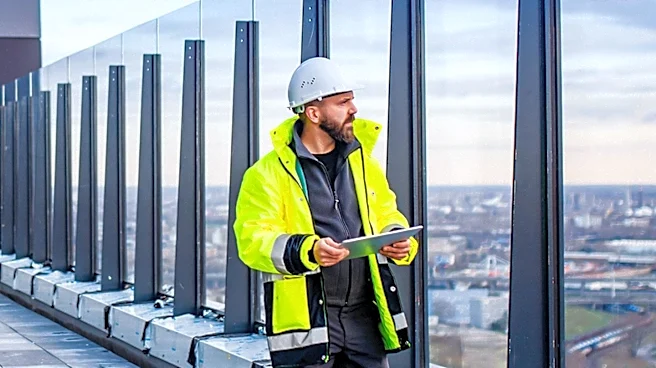
The construction industry is increasingly adopting wearable safety devices and AI-powered systems to improve worker safety and well-being. These advancements include smart helmets, vests, and wristbands equipped with sensors that monitor workers' vital
signs and environmental conditions in real-time. Exosuits, which are wearable suits with motorized joints, are also being utilized to provide enhanced strength, stability, and protection for strenuous tasks. Beyond physical safety, these technologies are addressing mental health concerns by monitoring stress levels and fatigue, a significant issue in an industry known for high-stress environments, long hours, and physical demands. AI systems analyze data from these wearables to identify potential hazards, alert supervisors to risks, and enable timely interventions. Computer vision technology detects unsafe working conditions and noncompliance, while predictive analytics anticipate future risks, allowing for proactive safety measures. These technological integrations are part of a broader effort to move beyond reactive safety approaches to more preventative strategies.
Why It's Important?
The integration of wearable technology and AI in construction safety is crucial for mitigating the industry's historically high rates of workplace fatalities and injuries. By providing real-time data on workers' physical and mental states, these devices enable immediate responses to potential dangers, significantly reducing the likelihood of accidents. The focus on mental health, alongside physical safety, represents a holistic approach to worker well-being, which can lead to a more productive and safer work environment. For U.S. construction companies, this means not only a reduction in human suffering but also potential decreases in insurance costs, legal liabilities, and project delays due to incidents. The adoption of these technologies also aligns with evolving regulatory standards, such as new OSHA PPE standards and ISO 19650 series updates, pushing the industry towards more sustainable and efficient practices. This shift creates opportunities for professionals in construction management, safety, and technology integration, fostering a new generation of safety-conscious and tech-savvy workers.
What's Next?
The future of construction safety will likely see continued integration of advanced digital tools and a greater emphasis on proactive, preventative measures. Virtual and augmented reality (VR/AR) training programs are expected to become more widespread, allowing workers to practice risk recognition and response in safe, controlled environments before encountering real-world hazards. As technology advances, construction companies will need to address challenges such as data privacy, cybersecurity, worker acceptance of new technologies, and the costs associated with implementation. The accuracy and reliability of AI-based monitoring systems will also be a key area of focus. The most effective safety strategies will combine these technological innovations with strong safety leadership, comprehensive training, clear communication, and established workplace practices. This will create new career paths at the intersection of construction, engineering, technology, data, and occupational safety, with professionals designing systems and processes to prevent hazards rather than just responding to them.
Beyond the Headlines
The widespread adoption of wearable health tech in the construction industry has deeper implications beyond immediate safety improvements. Ethically, it raises questions about worker surveillance and data privacy, as continuous monitoring collects sensitive personal information. Companies will need to establish clear policies regarding data ownership, access, and usage to maintain trust and ensure compliance with privacy regulations. Culturally, it signifies a shift in the perception of worker well-being, moving from a purely physical focus to one that encompasses mental health, acknowledging the psychological toll of demanding jobs. This holistic approach could set a precedent for other high-stress industries. Long-term, the data collected by these devices could contribute to a vast repository of information, enabling predictive analytics to identify systemic risks and inform future safety regulations and building codes, potentially transforming industry standards and practices across the U.S. construction sector.