



What's Happening?
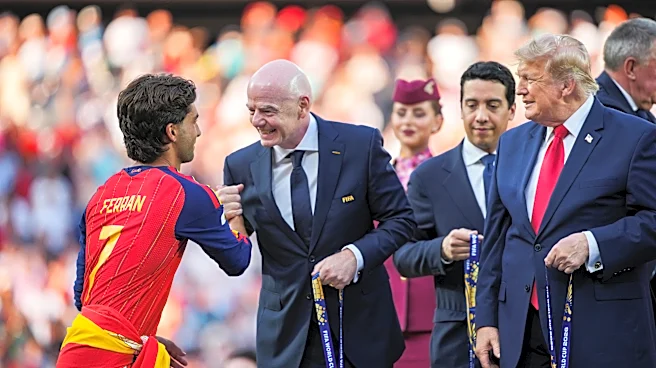
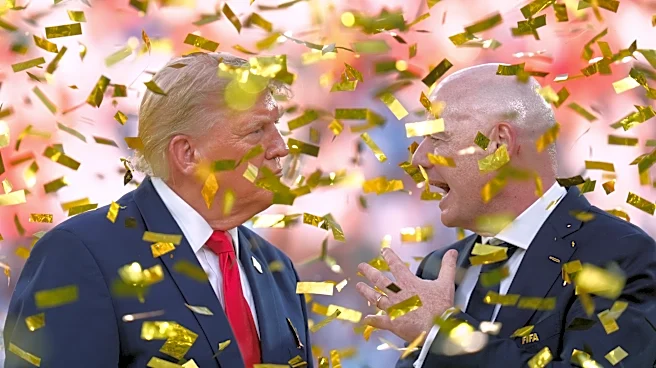
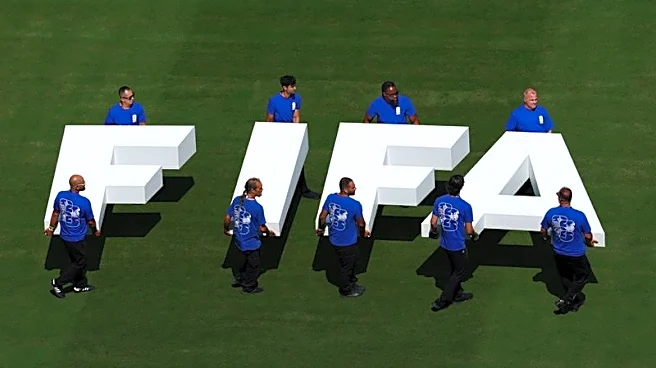
European countries are contemplating a boycott of the World Cup in response to FIFA President Gianni Infantino's proposal to sell stakes in a new FIFA subsidiary. This subsidiary would oversee the World Cup and Club World Cup, potentially raising over £3
billion from private investors. The plan has faced significant opposition, including from UK Prime Minister Andy Burnham, who criticized the commercialization of football. UEFA has expressed strong disapproval, emphasizing that football's governance should not be commodified. An emergency meeting among UEFA nations is scheduled to discuss the potential boycott.
Why It's Important?
The proposed boycott by European nations could significantly impact FIFA, given Europe's strong influence in global football. The plan to sell stakes in a FIFA subsidiary raises concerns about the commercialization of the sport and the potential loss of control by national associations. If the boycott proceeds, it could lead to a major rift between FIFA and UEFA, affecting the organization of future tournaments and the financial dynamics of international football. The controversy also highlights broader issues of governance and transparency within FIFA.
What's Next?
UEFA member associations are set to meet virtually for an emergency summit to discuss the boycott. The outcome of this meeting could determine the future relationship between UEFA and FIFA. If the boycott gains traction, it may force FIFA to reconsider or modify its plans. Additionally, the involvement of private investors, including those linked to political figures, could further complicate the situation, potentially leading to legal and ethical challenges.