



What's Happening?
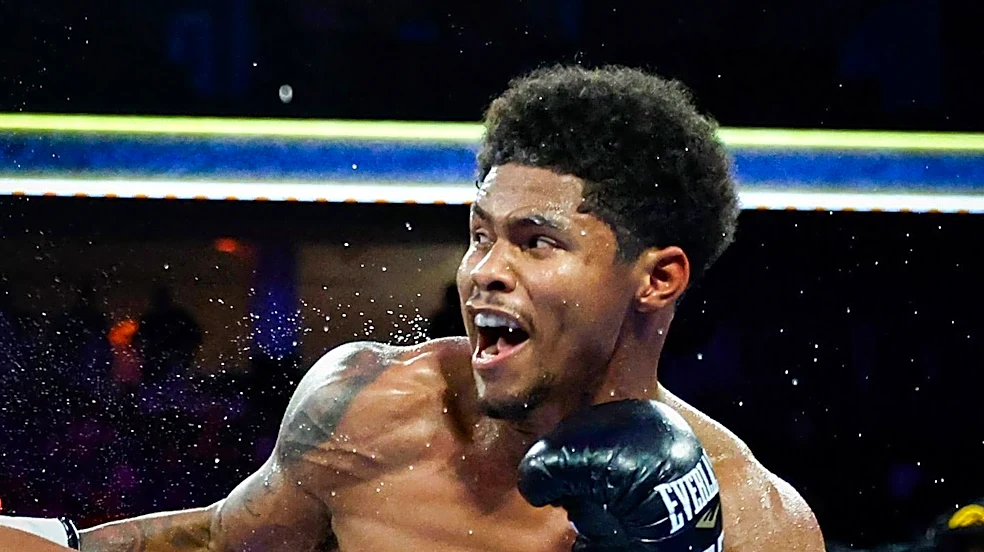
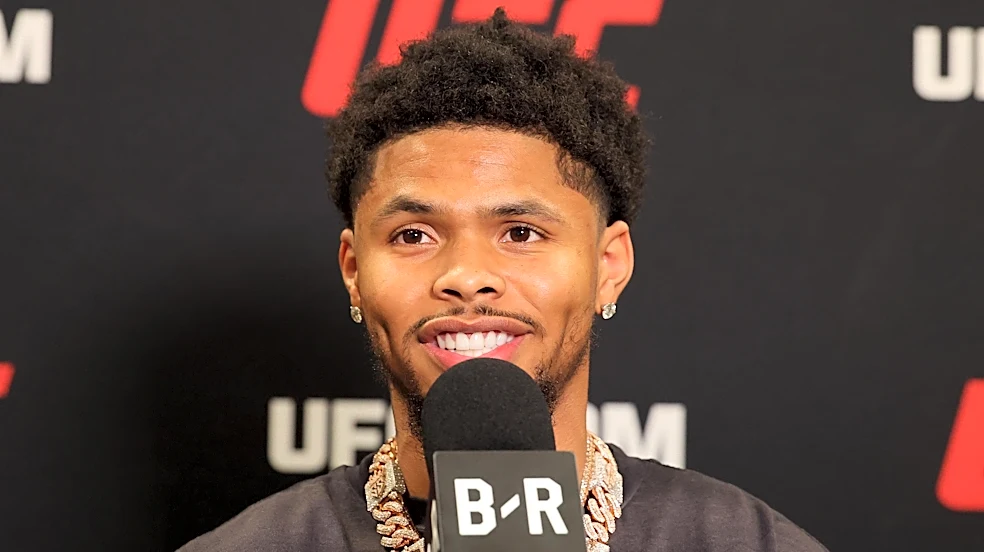
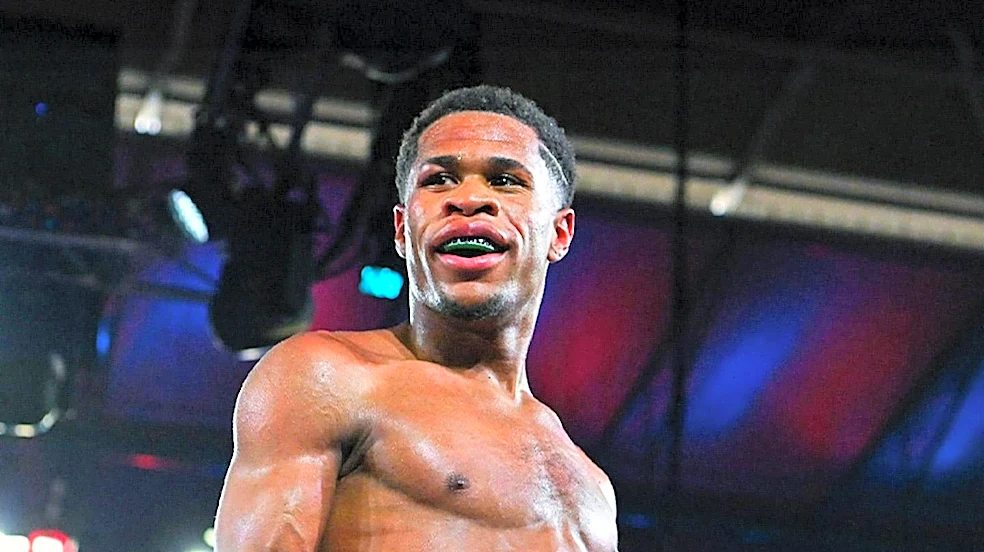
Shakur Stevenson, a prominent boxer and WBO super lightweight world champion, has terminated his contract with Zuffa Boxing after only three months. Stevenson announced his departure, citing issues with promised fights not materializing despite his consistent
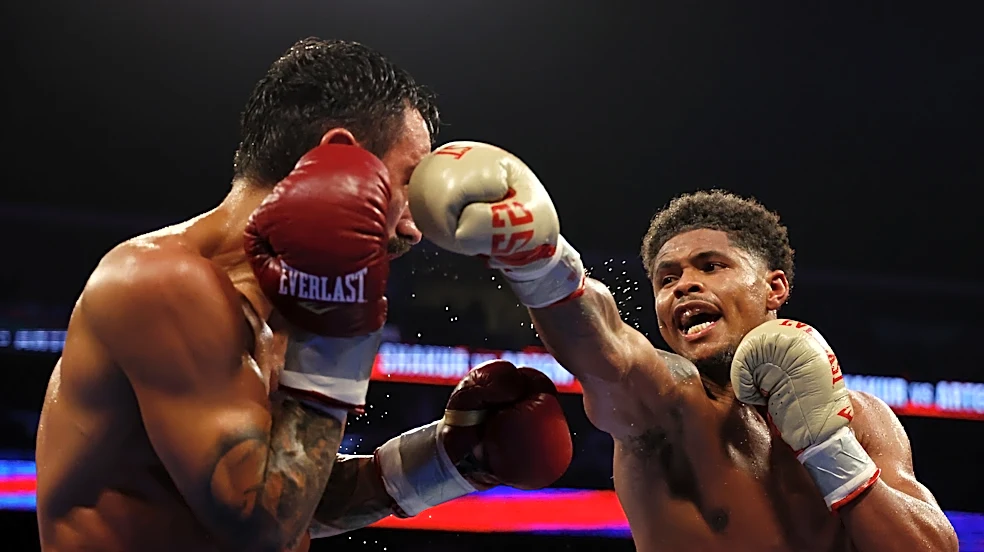
training and preparation. He emphasized that his decision was not out of anger towards anyone but a move to take control of his career. Following his release, Stevenson revealed plans to establish his own boxing promotional company. He expressed openness to collaborating with other promoters who are serious about advancing his career. Stevenson, who remains undefeated with a record of 25 wins in 25 fights, holds world titles in four weight categories and is ranked third pound-for-pound by The Ring. His contract with Zuffa Boxing was initially announced with significant fanfare, positioning him as one of the organization's top talents alongside Jai Opetaia.
Why It's Important?
This development is significant for the boxing industry as it highlights the growing trend of top athletes seeking greater control over their careers and financial futures. Stevenson's decision to launch his own promotional company could inspire other boxers to follow suit, potentially shifting power dynamics within the sport. For Zuffa Boxing, losing a high-caliber fighter like Stevenson, especially so soon after signing him, represents a setback in their efforts to establish a strong presence in the boxing world. It also raises questions about the organization's ability to deliver on its promises to fighters. For Stevenson, this move could lead to more strategic fight selections and potentially more lucrative opportunities, as he will have direct oversight of his career path. The boxing landscape may see increased competition among promotional companies, with fighters like Stevenson becoming both athletes and business owners.
What's Next?
Shakur Stevenson will now operate as an independent entity, focusing on building his new promotional company and securing future fights. His immediate next steps will likely involve formalizing his promotional company, assembling a team, and engaging in discussions with potential collaborators for his upcoming bouts. The boxing world will be watching to see which promoters Stevenson chooses to work with and how his new venture impacts his fight schedule and opponent selection. Other fighters may observe Stevenson's path closely, potentially influencing their own career decisions regarding promotional contracts. Zuffa Boxing will need to reassess its strategy for attracting and retaining top talent, especially after this high-profile departure. The industry could also see a ripple effect, with more fighters exploring independent promotional avenues.
Beyond the Headlines
Stevenson's move transcends a simple contract termination; it reflects a broader shift in the athlete-management paradigm within professional sports. This trend, where athletes leverage their personal brand and market value to create their own enterprises, challenges traditional promotional structures. It underscores a desire for autonomy, not just in athletic performance but also in business decisions, revenue sharing, and career longevity. Ethically, it raises questions about the responsibilities of promotional companies to their fighters and the balance of power in contractual agreements. Legally, it could set precedents for how athletes negotiate future contracts and the ease with which they can exit agreements if expectations are not met. Culturally, it reinforces the image of athletes as entrepreneurs and brand managers, capable of navigating complex business landscapes beyond their sport.