



What's Happening?
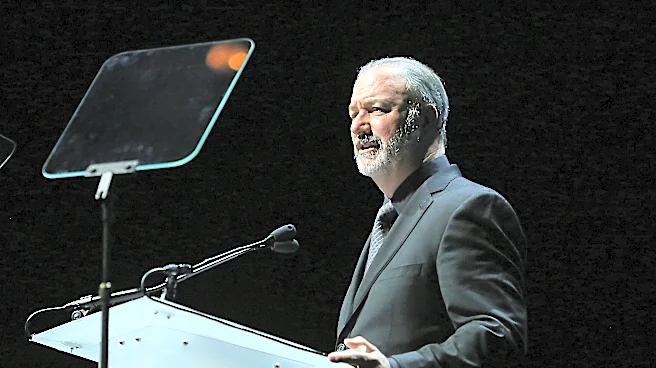
Quentin Tarantino has notably shifted his career focus from directing to writing, as evidenced by his latest project, 'The Further Mis-Adventures of Cliff Booth.' This film, a sequel to his 2019 movie 'Once Upon a Time... in Hollywood,' was written by Tarantino but
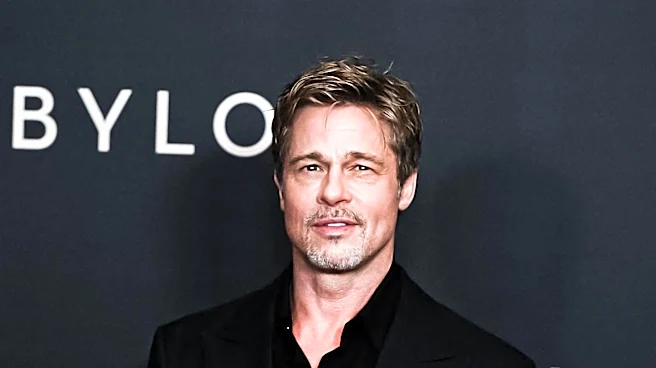
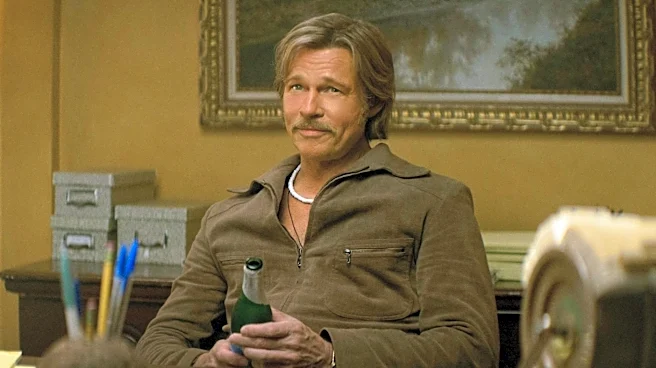
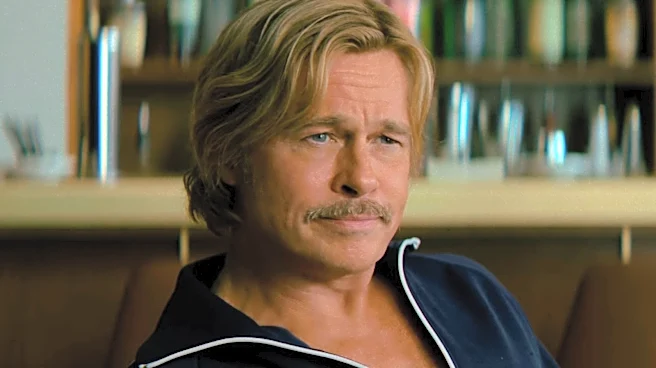
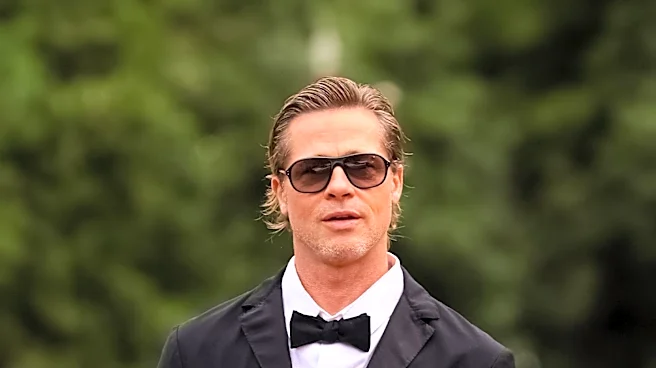
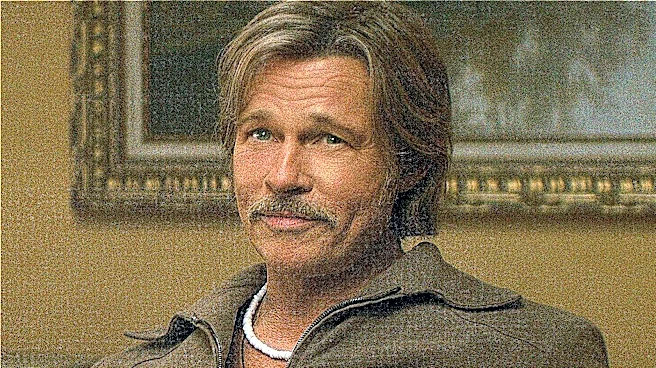
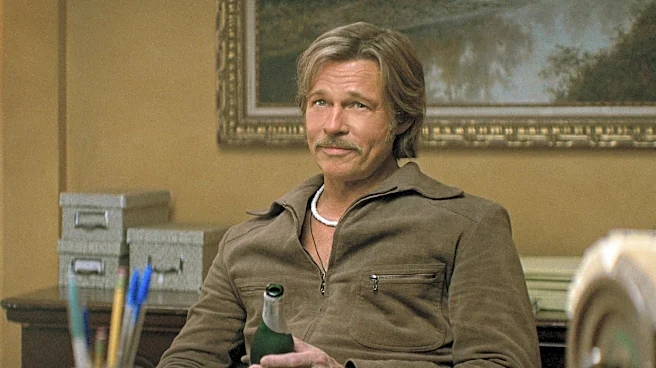
directed by David Fincher. This marks a significant change for Tarantino, who previously both wrote and directed his films. The New Yorker highlights that this decision suggests a diminishing interest in the visual aspects of filmmaking for Tarantino, with his gratification now primarily derived from writing. The film itself features Brad Pitt reprising his role as Cliff Booth and Elizabeth Debicki. It is characterized by typical Tarantinian elements such as explosive action, calibrated slow burns, verbose dialogue, whimsical twists, and humor, all delivered with an energetic glee that Pitt brings to the character. The narrative is described as a 'story of stories,' exploring their origins, purposes, and connection to cinema, though it is noted that the film might lack the full transformation that a director's vision typically provides beyond just storytelling.
Why It's Important?
This shift in Quentin Tarantino's career trajectory is significant for the film industry, particularly for fans and critics who have come to expect his distinctive directorial style. His decision to hand over directing duties for a sequel to one of his own films suggests a potential long-term change in his creative output. This could lead to more screenplays from Tarantino being directed by other filmmakers, offering new interpretations of his unique narrative voice. For David Fincher, directing 'The Further Mis-Adventures of Cliff Booth' represents a departure from his recent, more serious projects like 'Mank' and 'The Killer,' allowing him to engage with a more vibrant and playful script. This collaboration could influence future projects in Hollywood, potentially encouraging more high-profile writers to collaborate with different directors, thereby diversifying cinematic styles and interpretations. The film's success or reception will also indicate whether audiences are receptive to Tarantino's stories without his direct visual imprint, potentially reshaping expectations for auteur-driven cinema.
What's Next?
The reception of 'The Further Mis-Adventures of Cliff Booth' will likely influence Quentin Tarantino's future decisions regarding his role in filmmaking. If the film is critically and commercially successful, it could solidify his path as primarily a screenwriter, potentially leading to more collaborations with other directors. This might open doors for a new wave of filmmakers to interpret Tarantino's distinctive scripts. Conversely, if the film receives a mixed reception, particularly concerning the absence of Tarantino's directorial touch, it might prompt him to reconsider his stance on directing. The industry will be watching to see if this marks a permanent shift or a temporary exploration of his writing prowess. Future projects from Tarantino will be scrutinized for whether he continues to delegate directorial responsibilities or if he eventually returns to the director's chair for his own scripts. This development could also inspire other established writer-directors to explore similar collaborative models.
Beyond the Headlines
Tarantino's move to prioritize writing over directing in 'The Further Mis-Adventures of Cliff Booth' raises deeper questions about authorship and the nature of cinematic art. It challenges the traditional auteur theory, which posits the director as the primary author of a film. By writing a sequel but allowing another director to helm it, Tarantino implicitly suggests that the narrative and dialogue can stand independently, or even be enhanced, by another's visual interpretation. This could spark broader discussions within film criticism about the relative importance of script versus direction in shaping a film's identity. Furthermore, it highlights a potential evolution in how established filmmakers manage their creative output, perhaps seeking new challenges or focusing on aspects of filmmaking they find most gratifying. This shift might also reflect a growing trend where established artists seek to diversify their creative roles, moving beyond singular definitions of their craft and exploring different facets of storytelling.