





What's Happening?
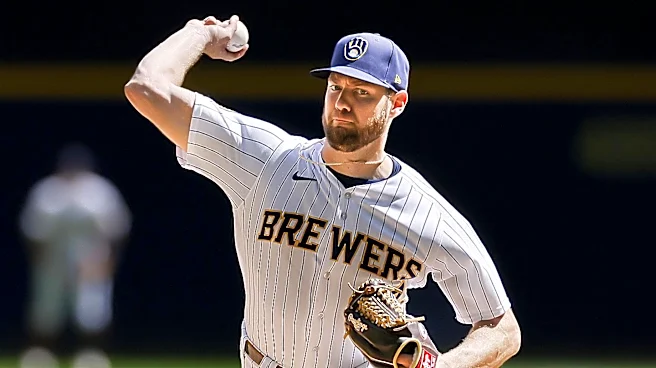
The Milwaukee Brewers are reportedly considering trading their closer, Trevor Megill, this winter, according to a projection by Matt Johnson of Sportsnaut. Megill is identified as one of 10 potential trade candidates heading into the 2026-27 offseason.
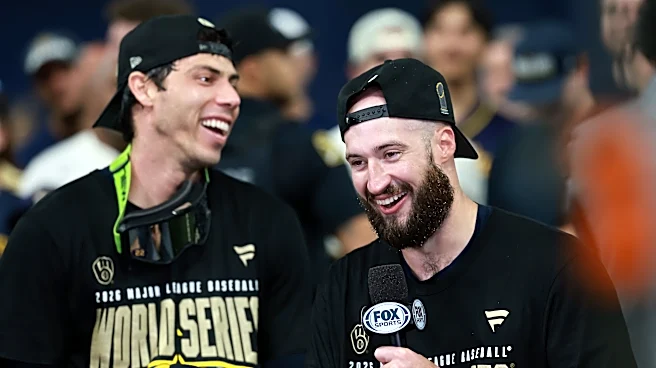
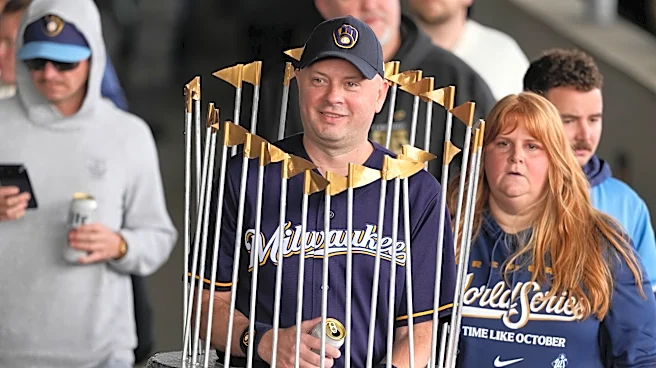
This move aligns with the Brewers' organizational model of dealing pitchers in their final year of control, a strategy previously applied to Josh Hader, Devin Williams, and Freddy Peralta. Megill, who is entering a contract year at age 33, is projected to earn approximately $8 million in arbitration for 2027. He is coming off a strong two-season stretch with a 2.57 ERA and 60 saves in 108.2 innings, including a 2.63 ERA, 0.89 WHIP, 30 saves, and 69 strikeouts in 61.2 innings across 63 appearances in 2026. His underlying numbers, such as a 1.85 FIP, ranked among the best for a reliever, and he earned All-Star recognition in 2025, playing a key role in Milwaukee's World Series run.
Why It's Important?
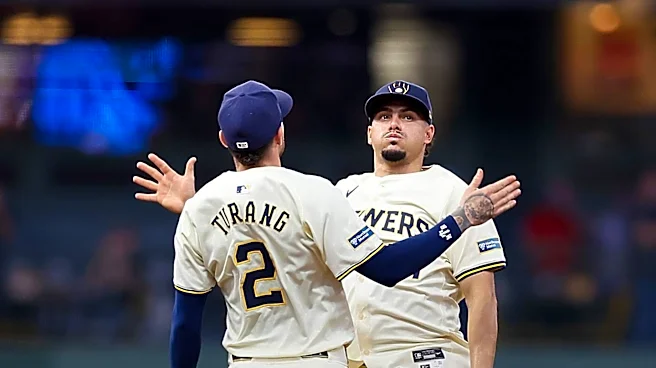
This potential trade highlights the Milwaukee Brewers' strategic approach to roster management, prioritizing prospect capital and payroll flexibility over retaining every star player through free agency. By trading Megill, the Brewers aim to maximize value before he potentially leaves without compensation after the 2027 season. This strategy has been a hallmark of their recent success, allowing them to build competitive rosters on a budget. The move could free up resources and inject young talent into their system, which has thrived by cycling arms at peak value. For the Minnesota Twins, identified as a potential trade partner, acquiring Megill would address their bullpen's struggles, which ranked among the league's worst in 2026 with a 4.74 ERA. The Brewers' bullpen depth, with options like Aaron Ashby and Abner Uribe, suggests they can absorb Megill's loss without a significant drop-off, maintaining their late-inning security.
What's Next?
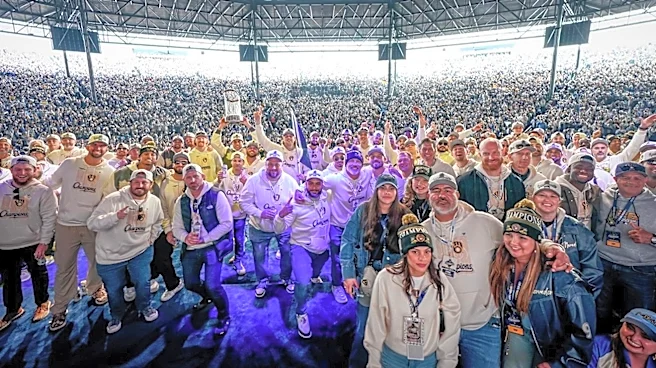
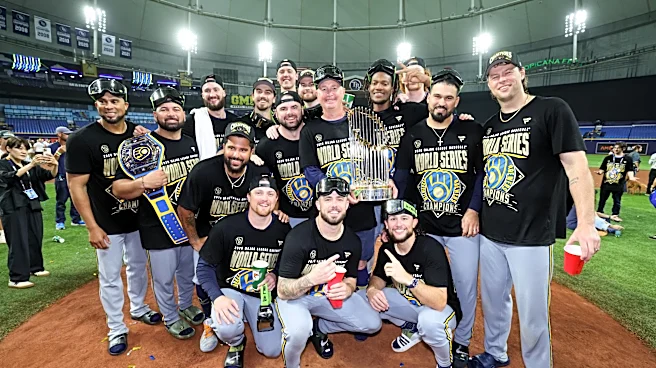
The Brewers' front office will likely explore the market for Trevor Megill, seeking to acquire top catching prospects from teams like the Minnesota Twins, such as Eduardo Tait or Khadim Diaw, to address a long-term positional need. This decision will test the team's commitment to its established model of proactive roster management, even after winning the 2026 World Series. While trading a reigning champion's closer might be unpopular, it aligns with the Brewers' history of moving established relievers. The winter offseason will reveal whether this projection materializes, and how the Brewers balance sustained contention with their budget-conscious approach. The Twins, in turn, will weigh the benefit of a one-year upgrade to their bullpen against the prospect capital they would need to surrender.
Beyond the Headlines
The potential trade of Trevor Megill underscores a broader trend in professional baseball where smaller market teams, like the Milwaukee Brewers, employ sophisticated analytical models to manage player assets. This approach often involves trading high-performing players nearing free agency to acquire prospects and maintain financial flexibility, rather than committing to large, long-term contracts. This strategy, while successful in building competitive teams, can sometimes lead to fan dissatisfaction when popular players are traded. It also raises questions about player loyalty and the economic realities of baseball, where financial constraints often dictate roster decisions more than sentiment. The Brewers' continued adherence to this model, even after a World Series victory, suggests a deep-seated organizational philosophy focused on long-term sustainability and value creation through player development and strategic trades.