


What's Happening?
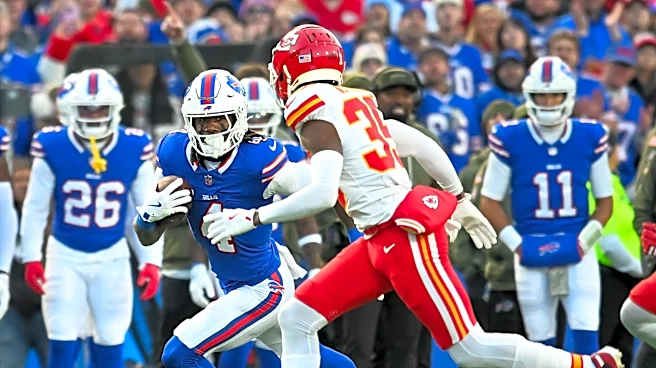
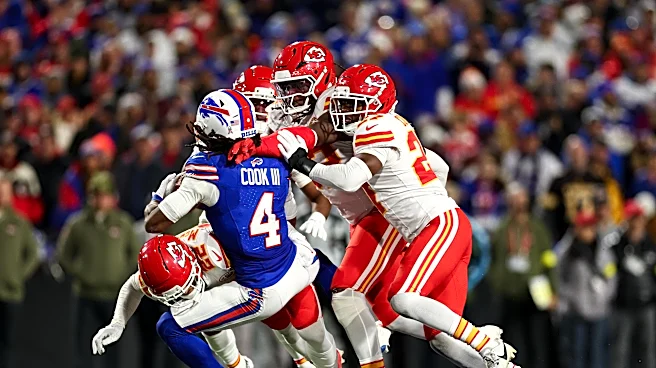
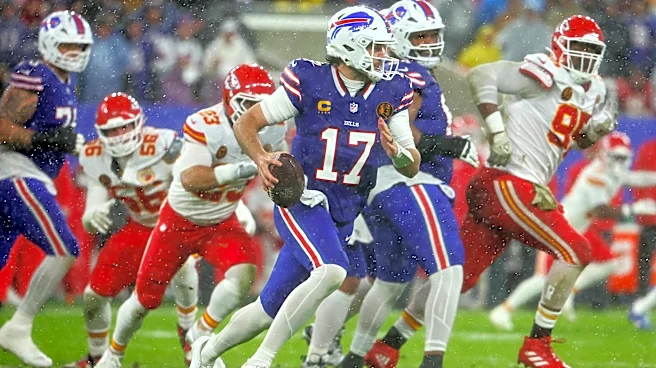
During the Buffalo Bills' recent game against the Kansas City Chiefs, the Bills reportedly benefited from extra seconds on the clock during the Chiefs' final offensive drive. According to analysis, the clock operator in Buffalo preserved approximately
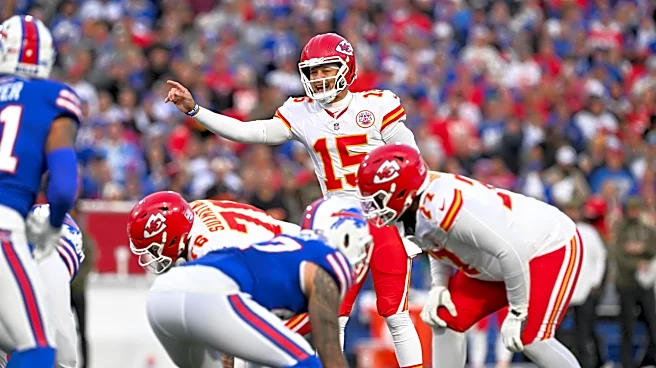
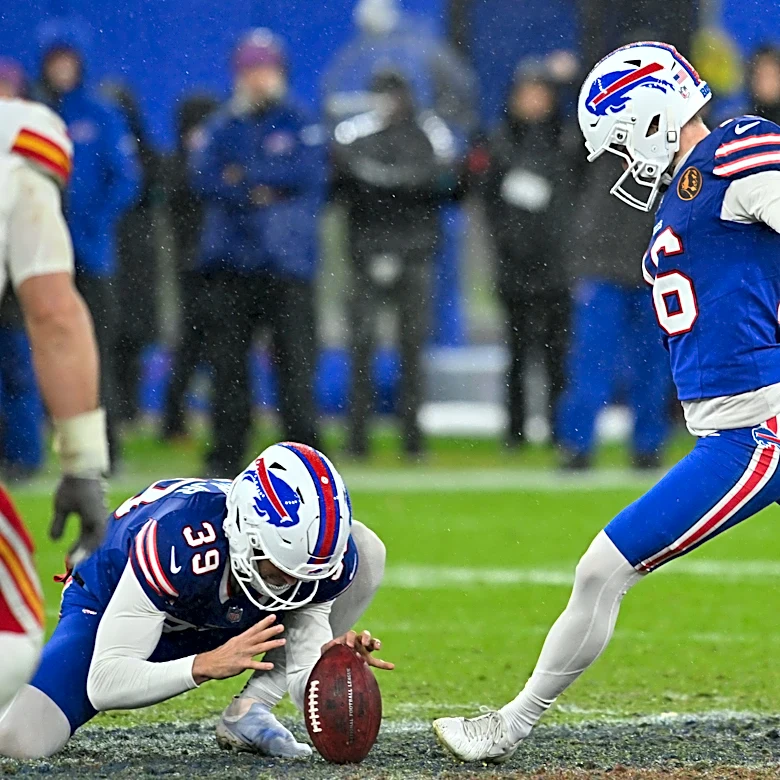
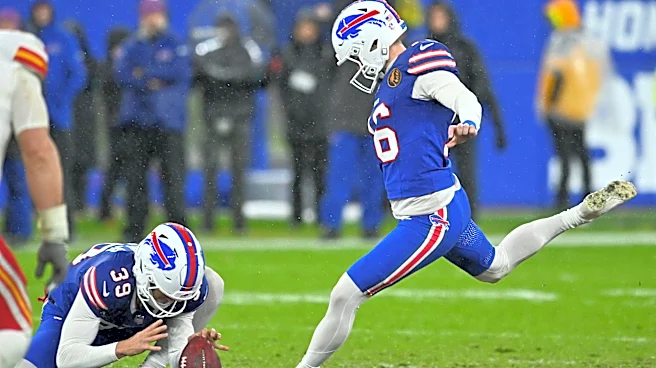
four seconds that should have elapsed. One instance involved a dropped shotgun snap by Chiefs quarterback Patrick Mahomes; while four seconds passed between the snap and the whistle, the clock only moved by one second. Later, after a second-down play, the clock briefly shifted from 19 seconds to 20 seconds to match the stadium scoreboard. Following a third-down incompletion, the clock showed 15 seconds when it should have been 11. These unaccounted-for seconds ultimately left four seconds on the clock after a partially blocked punt, allowing Bills kicker Tyler Bass to attempt and make a game-winning 57-yard field goal.
Why It's Important?
The discrepancy in game timing during a critical NFL moment has significant implications for the integrity of the sport and the fairness of competition. In a league where games are often decided by mere seconds and inches, every tick of the clock can be determinative. The alleged preservation of four seconds directly contributed to the Buffalo Bills having enough time for a game-winning field goal, potentially altering the outcome of a high-stakes contest. This incident raises questions about the accuracy and oversight of game timing, particularly in the final minutes of close games. It can lead to accusations of bias or incompetence, eroding trust in officiating and the league's ability to ensure a level playing field. For teams, such errors can have profound impacts on their standings, playoff chances, and overall season trajectory.
What's Next?
This incident will likely prompt increased scrutiny from the NFL regarding game timing procedures and the training of clock operators. The league may review the specific plays in question and potentially issue guidelines or implement new technologies to ensure greater accuracy in clock management, especially during critical game situations. Teams and coaches will undoubtedly be more vigilant in monitoring the game clock, and there could be calls for more transparent and standardized protocols for clock adjustments. While it's unlikely the game's outcome will be overturned, the controversy could lead to rule changes or enhanced oversight mechanisms to prevent similar occurrences in the future, aiming to uphold the fairness and integrity of NFL competition.
Beyond the Headlines
The controversy surrounding the game clock in the Bills-Chiefs game touches upon a deeper issue in professional sports: the human element in officiating and its potential impact on outcomes. In an era of advanced technology and instant replay, the reliance on human clock operators for such critical decisions can be a point of contention. This incident could fuel debates about further automation in sports officiating, such as using sensor technology to precisely track game time and eliminate human error. It also highlights the psychological impact on players and coaches, who must contend not only with their opponents but also with the possibility of external factors influencing the game. Ultimately, such events challenge the perception of fairness and the pursuit of perfection in a sport that thrives on precision and competitive balance.