



What's Happening?
The U.S. economy has experienced significant growth driven by over 50 years of computing innovation, from the introduction of personal computers like the Apple II and IBM PC to modern smartphones. These technological advancements have created new industries,
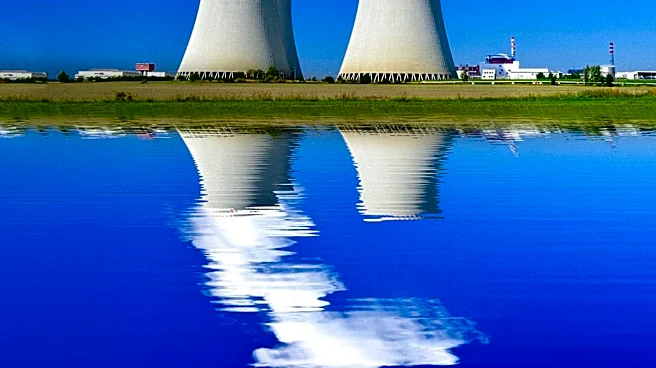
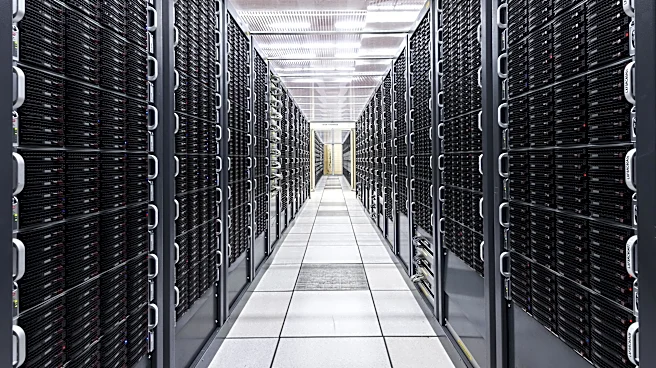
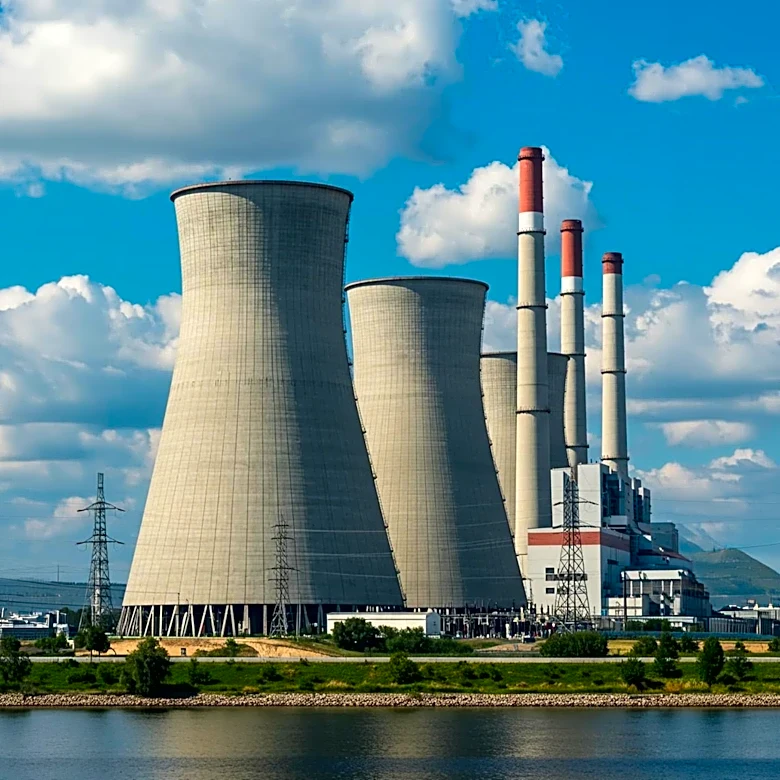
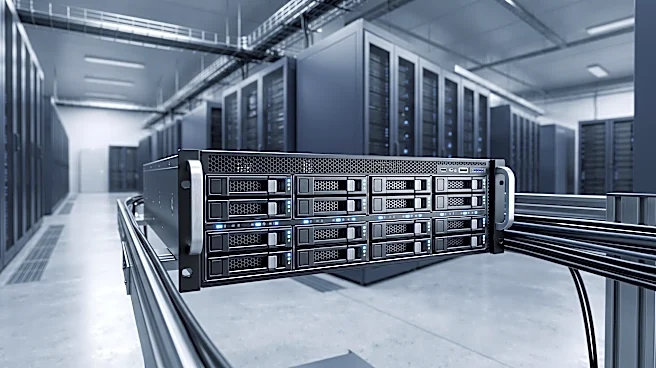
boosted productivity, and opened previously nonexistent markets. Today, this expansion is sustained by data centers, which are essential for powering applications, messaging, maps, and video calls that underpin daily commerce. Businesses are increasingly opting for professionally managed data centers over on-site servers due to enhanced security, easier updates, and improved performance for remote users. These facilities offer robust protections including multi-factor access control, 24/7 security, redundant power and cooling, and compliance with industry standards like SOC 2 or ISO 27001. The growing demand for these data centers is also driving the need for increased power generation. For instance, Dominion Energy and Amazon are exploring the development of small modular reactors (SMRs) in Virginia to provide at least 300 MW of new capacity to support data center operations, with Dominion's plans including multiple SMRs by the mid-2030s.
Why It's Important?
The continuous evolution of computing technology and the expansion of data center infrastructure are critical for the ongoing growth and competitiveness of the U.S. economy. This reliance on advanced computing underpins various sectors, enabling small businesses to reach nationwide customers, facilitating remote and hybrid work models, and fostering the creation of new digital products and services. The shift towards professionally managed data centers signifies a broader trend in how businesses manage their IT infrastructure, prioritizing security, reliability, and scalability. This trend impacts the technology sector, real estate markets (for data center locations), and the energy industry, which must innovate to meet the substantial power demands of these facilities. The exploration of SMRs by companies like Dominion Energy highlights a strategic move towards sustainable and reliable energy sources to support this digital infrastructure, potentially influencing future energy policy and investment in nuclear technology within the U.S.
What's Next?
The U.S. can expect continued growth in the data center industry, driven by increasing digitalization across all sectors. This will necessitate further investment in robust, secure, and geo-redundant data center facilities. Utilities and technology companies will likely continue to explore and implement innovative energy solutions, such as SMRs and other dedicated generation options, to meet the escalating power requirements of these centers. This trend could lead to increased collaboration between the energy and technology sectors, potentially accelerating the development and deployment of advanced energy technologies. Furthermore, as businesses increasingly rely on cloud and colocation services, there will be an ongoing focus on enhancing cybersecurity measures and ensuring compliance with evolving data protection standards. The expansion of this digital infrastructure will also continue to support the growth of remote work and digital commerce, shaping future employment trends and business models across the nation.
Beyond the Headlines
The profound reliance on data centers extends beyond mere economic growth, touching upon critical aspects of national infrastructure and societal function. The continuous operation of these facilities is essential for everything from emergency services and public agencies to educational institutions and daily communications. This dependence raises questions about national security, as the resilience and protection of data centers become paramount against cyber threats and physical disruptions. The energy demands of these centers also present a significant environmental consideration, pushing for the adoption of cleaner and more efficient power sources. The development of SMRs, while promising for energy independence and reduced carbon emissions, also brings discussions about nuclear safety and waste management to the forefront. Ultimately, the ongoing expansion of computing infrastructure is not just a technological or economic story, but a foundational shift in how society operates, demanding integrated solutions across technology, energy, security, and environmental policy.