



What's Happening?
Major League Baseball (MLB) is on the brink of a lockout, with owners expected to initiate the action in nine days. This impending lockout threatens to halt all league activities, including player signings and trades, casting uncertainty over the 2027
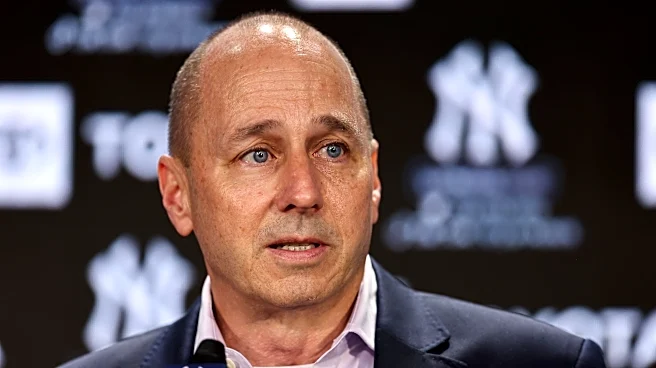
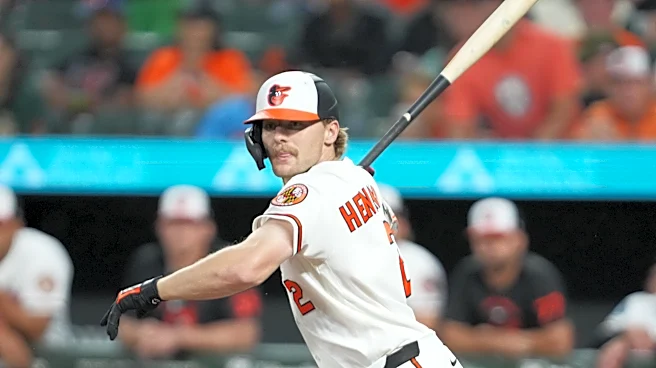
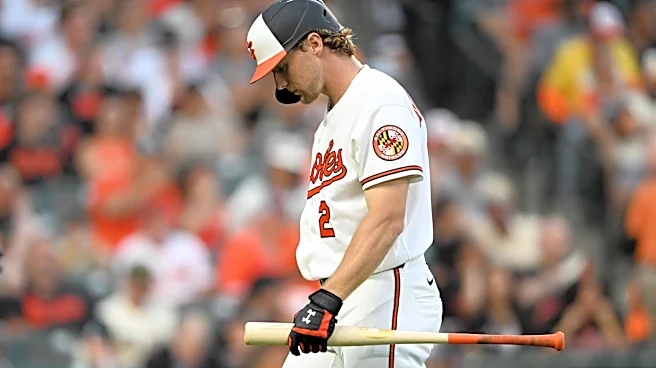
season. The Baltimore Orioles, with 122 days remaining until their next scheduled game, face a critical period to address team needs before a roster freeze takes effect. The situation has prompted speculation among general managers about a potential flurry of transactions in the days leading up to the lockout. The Orioles' General Manager, Mike Elias, is under pressure to make significant moves, particularly after a period where his decision-making has drawn scrutiny. The team's recent activities include Enrique Bradfield's potential move to the 40-man roster and Vance Honeycutt seeking external hitting coaching, indicating ongoing efforts to improve player performance despite the looming labor dispute.
Why It's Important?
The impending MLB lockout carries significant implications for the league's economic landscape, player careers, and fan engagement. For teams like the Orioles, the inability to sign or trade players during a lockout could severely impact their competitiveness in the upcoming season. A prolonged lockout would disrupt spring training, potentially delaying the start of the 2027 season and leading to substantial financial losses for franchises, players, and associated businesses. Players stand to lose salaries and opportunities, while fans face the prospect of a truncated or canceled season. The dispute highlights ongoing tensions between team owners and players regarding revenue sharing, player compensation, and contract structures. The outcome of these negotiations will set precedents for future labor relations in professional sports, influencing how other leagues approach collective bargaining agreements.
What's Next?
In the immediate future, the MLB will likely see a rush of player transactions as teams attempt to finalize rosters before the lockout. General managers are expected to engage in a 'frantic sprint' of signings and trades. Once the lockout is initiated, all player movement will cease, and negotiations between owners and the players' union will become the primary focus. The duration of the lockout is uncertain, with potential scenarios ranging from a swift resolution to a prolonged standoff that could delay or even jeopardize the 2027 season. The Orioles, in particular, will need to navigate this period carefully, with decisions made in the coming days potentially defining their performance for the next season. The resolution of this labor dispute will determine the timeline for spring training and the start of the regular season.
Beyond the Headlines
The looming MLB lockout underscores deeper issues within professional sports, particularly the balance of power and financial interests between ownership and labor. This situation could lead to a re-evaluation of the collective bargaining process and the mechanisms for resolving disputes in high-stakes industries. Beyond the immediate financial and sporting impacts, a prolonged lockout could erode fan loyalty and engagement, especially if the public perceives the dispute as driven by greed rather than genuine disagreements over fair terms. It also highlights the vulnerability of individual player careers to broader labor actions, potentially influencing how athletes approach contract negotiations and union solidarity. The outcome could set a precedent for how future labor disputes are handled across major U.S. sports leagues, affecting everything from player development to the economic models of professional franchises.