






What's Happening?
Garages in the U.S. are undergoing a significant transformation, moving beyond their traditional role as mere vehicle storage areas. Modern garage conversions increasingly incorporate features such as fitness equipment, dedicated workbenches, extensive
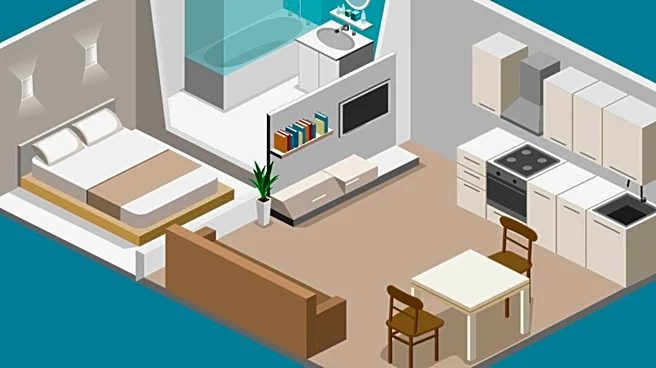
cabinetry, and specialized storage solutions. This evolution reflects a shift in consumer expectations, where garages are now designed to be organized, insulated, and equipped with amenities like Wi-Fi. The change is evident in the transition from basic, unfinished spaces to areas with finished walls, coated floors, and architectural garage doors. Some conversions even completely repurpose the space, eliminating vehicle parking to create additional functional rooms within the home. This trend highlights a broader desire to maximize every square foot of residential property, turning previously underutilized areas into valuable extensions of living space.
Why It's Important?
This trend of garage conversion holds significant implications for the U.S. housing market, construction industry, and consumer lifestyle. For homeowners, it represents an opportunity to increase property value and enhance living quality without the need for costly home additions or relocations. The demand for specialized garage amenities, such as EV chargers, smart lighting, and climate control systems, is driving innovation and sales in related industries. Construction and renovation companies are adapting their services to meet these evolving demands, offering tailored solutions for garage makeovers. Furthermore, the shift reflects changing societal priorities, with a greater emphasis on home-based fitness, hobbies, and organized living. This transformation can also impact local zoning laws and building codes as municipalities grapple with regulating these new types of residential spaces, potentially leading to new guidelines for insulation, electrical capacity, and structural modifications.
What's Next?
The trend of sophisticated garage conversions is expected to continue, with further integration of smart home technology and sustainable building practices. We may see an increase in specialized contractors focusing solely on garage renovations, offering bespoke designs that cater to diverse needs, from home offices and gyms to entertainment areas. The market for modular storage systems, advanced insulation materials, and energy-efficient climate control units designed specifically for garages is likely to expand. Additionally, as more homeowners opt for electric vehicles, the demand for integrated EV charging stations within garages will become a standard feature. This evolution could also lead to new architectural trends, where garages are seamlessly integrated into the home's overall design, blurring the lines between traditional utility spaces and primary living areas.
Beyond the Headlines
Beyond the immediate functional benefits, the transformation of garages signifies a deeper cultural shift in how Americans perceive and utilize their homes. The garage, once a utilitarian and often neglected space, is now being elevated to a status comparable to other rooms in the house. This reflects a growing desire for efficiency, organization, and personalization within the home environment. The emphasis on finished surfaces, aesthetic appeal, and integrated technology suggests a move towards a more holistic approach to home design, where every space is optimized for comfort and utility. This trend also touches upon environmental considerations, as insulated and climate-controlled garages contribute to overall home energy efficiency. The psychological impact of having a well-organized and functional garage can also contribute to a greater sense of well-being and reduced clutter-related stress for homeowners.