







What's Happening?
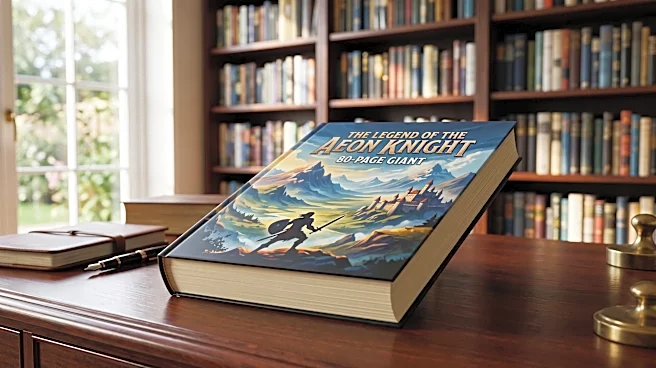
Dynamite Entertainment is set to introduce a new series of affordable, story-rich comic books in the upcoming year, spearheaded by its first two 80-Page Giants featuring Red Sonja and Vampirella. These collections will draw from Dynamite’s extensive archives,
compiling stories from various creative teams and different eras of the characters' publishing histories. Each 80-Page Giant will feature original cover art by Roberto Castro, alongside alternate 'retro' designs that incorporate inset images from the stories within. The Red Sonja collection will include four adventures, such as 'Dragons' by Christos Gage and Pablo Marcos, and 'Seeing Red' by Kurt Busiek and Benjamin Dewey. Additionally, it will feature full-length stories from Ron Marz and Lee Moder (Red Sonja #30, 2008) and Eric Trautmann and Patrick Berkenkotter (Red Sonja #60, 2011). The Vampirella collection will span nearly five decades of content, including 'Death’s Dark Angel' by Archie Goodwin and José González (Vampirella #12, 1971), 'The New European' by Alan Moore and Gary Frank (1997), and the opening issues of runs by Nancy Collins and Patrick Berkenkotter (2014) and Christopher Priest and Ergün Gündüz (2019).
Why It's Important?
This new initiative by Dynamite Entertainment is significant for several reasons within the comic book industry and for its readership. By offering 'affordable, story-packed comics,' Dynamite is addressing a potential barrier to entry for new readers and providing value for existing fans. The strategy of compiling stories from different eras and creative teams within a single volume allows readers to experience a broad spectrum of a character's history and evolution without needing to purchase multiple individual issues. This approach can foster a deeper appreciation for the characters and their legacies. Furthermore, featuring iconic characters like Red Sonja and Vampirella in these inaugural giants leverages established fan bases while potentially introducing these characters to a new generation of readers. The inclusion of works by renowned creators such as Christos Gage, Kurt Busiek, Alan Moore, and Christopher Priest also elevates the perceived value and quality of these collections, appealing to collectors and readers who appreciate acclaimed storytelling and artwork. This move could set a trend for other publishers looking to repackage their archives in accessible formats.
What's Next?
The launch of Dynamite Entertainment's 80-Page Giants featuring Red Sonja and Vampirella is expected in the new year. Following the initial rollout, the publisher will likely monitor sales and reader reception to determine the expansion of this line. Success could lead to more characters from Dynamite's extensive catalog receiving the 80-Page Giant treatment, potentially including other popular titles and cult favorites. The format's affordability and comprehensive nature might attract new readers to the publisher's offerings, potentially boosting interest in their ongoing monthly series and other collected editions. Additionally, the 'retro' cover designs could become a popular feature, influencing future cover art strategies. The initiative also provides an opportunity for Dynamite to highlight lesser-known but critically acclaimed stories from its archives, giving them new life and exposure. The comic book market will observe whether this strategy effectively broadens readership and revitalizes interest in classic characters through accessible, curated collections.
Beyond the Headlines
Beyond the immediate commercial implications, Dynamite Entertainment's new 80-Page Giant line touches upon broader themes within the comic book industry, particularly concerning accessibility and the preservation of comic book history. In an era where single issues can be costly and extensive back catalogs daunting for new readers, these curated, affordable collections serve as vital entry points. They act as a form of 'greatest hits' or 'best of' compilations, allowing readers to quickly grasp the essence and evolution of a character. This approach also highlights the enduring appeal of classic comic book storytelling and art, bridging generational gaps between readers. Ethically, making these stories more accessible can be seen as a way to democratize access to cultural narratives and artistic works that might otherwise remain confined to expensive collector's markets or digital archives. It also underscores the value of a publisher's archives as a rich resource for future content, demonstrating that past works can continue to generate interest and revenue when presented in innovative ways. This strategy could influence how publishers view and utilize their intellectual property, moving beyond simple reprints to more thoughtfully curated and packaged offerings.