


What's Happening?
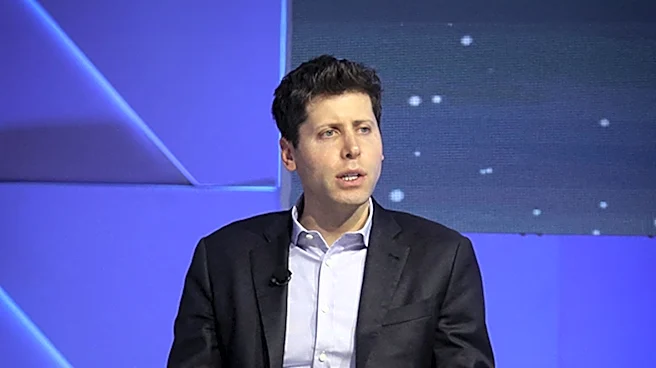
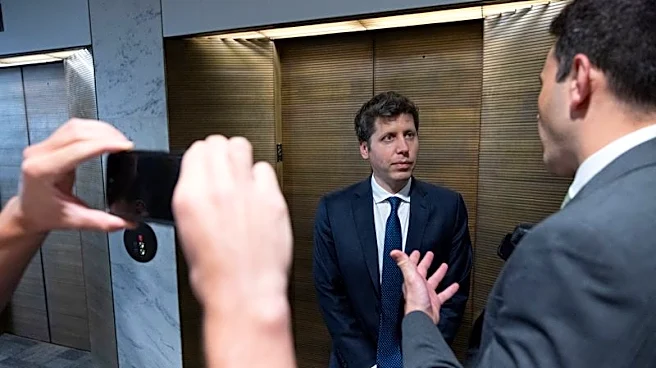
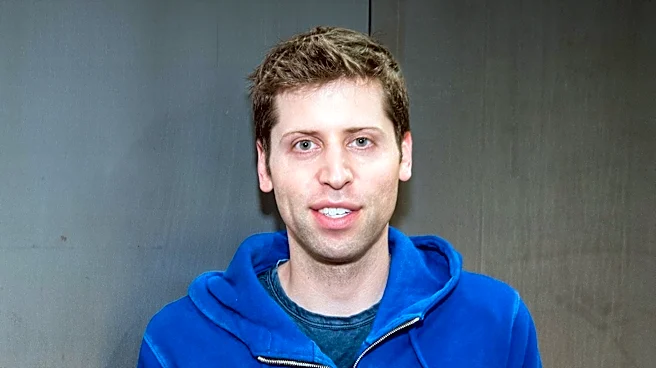
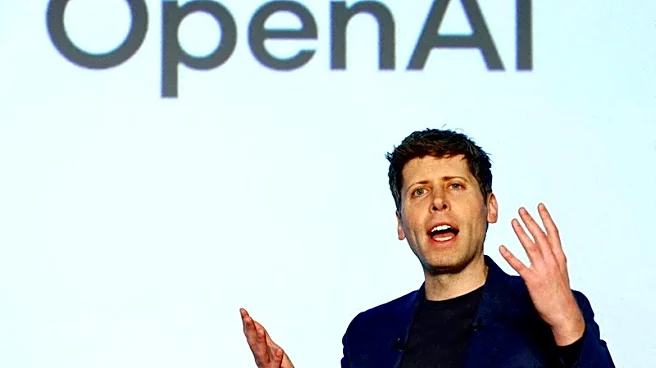
Sam Altman, CEO of OpenAI, recently faced criticism for suggesting a use case for ChatGPT aimed at parents. Altman proposed using AI to create personalized podcasts for children, integrating family calendars and children's interests. This idea, shared
on his social media, was met with skepticism and criticism from users who argued that AI should not replace human interaction, especially in parenting. Altman, who has been advocating for AI's role in easing parenting burdens, shared that he found ChatGPT indispensable during his early months as a father. Despite his enthusiasm, many users, including notable figures like animator Alex Hirsch, expressed concerns about AI replacing genuine human connections.
Why It's Important?
The debate around Altman's suggestion highlights a broader societal concern about the role of AI in daily life, particularly in personal and family settings. As AI technology becomes more integrated into various aspects of life, questions about its impact on human relationships and social dynamics are increasingly relevant. The backlash underscores a growing sentiment that while AI can offer convenience, it should not replace essential human interactions. This discussion is crucial as it may influence how AI is developed and marketed, particularly in sensitive areas like parenting, where emotional and social development are paramount.
What's Next?
The ongoing discourse may prompt tech companies and developers to reconsider how AI applications are designed and marketed, especially those targeting family and personal use. There could be increased emphasis on ensuring AI tools complement rather than replace human interactions. Additionally, this situation might lead to more public discussions and possibly regulatory considerations about the ethical use of AI in personal and family contexts.