


What's Happening?
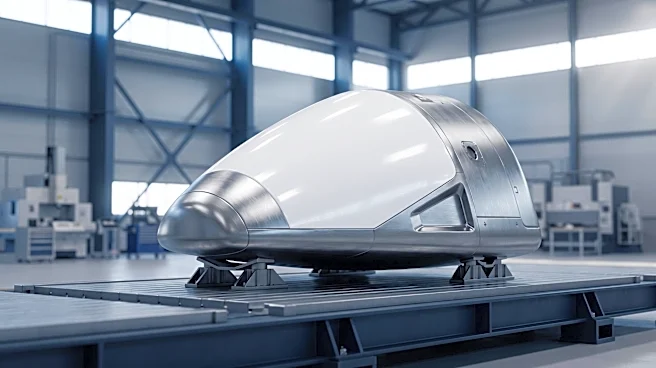
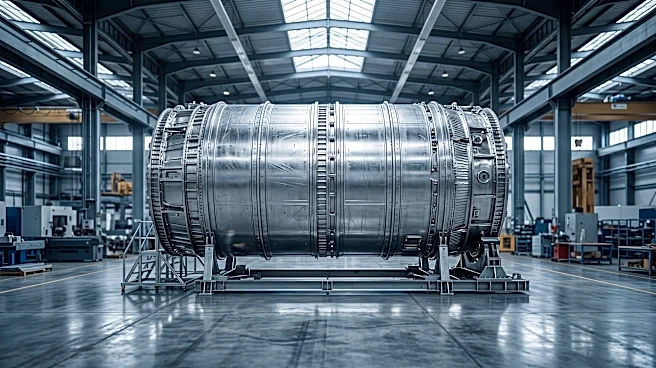
Vast, a space company, has successfully completed pressure testing of Hull 3, a pathfinder version of its Haven-1 space station's primary structure. This hull was built alongside the flight vehicle at the company's Long Beach headquarters. According to
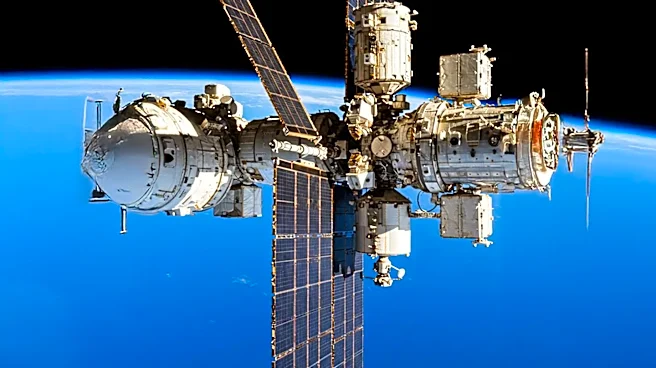
CEO Max Haot, Hull 3 was constructed in five months, which is four months faster than Hull 2, the flight structure. The total cost for Hull 3, encompassing labor, materials, and testing, was under $4 million. Hull 4 is already under construction as Vast prepares for the Haven-1 launch, which is now scheduled for 2027, a delay from its initial 2025 target. The Haven-1 station is designed to be 4.4 meters wide and accommodate four astronauts for two-week missions. The company's strategy involves building hulls like a production line to support its larger goal of creating a multi-module station to succeed the International Space Station (ISS).
Why It's Important?
This development is significant for the commercial space industry as it demonstrates progress in private sector capabilities for space station development. Vast's ability to rapidly construct and test a space station hull at a relatively low cost could accelerate the timeline for private space stations becoming operational. The company's focus on a production-line approach for hull manufacturing suggests a potential shift towards more efficient and cost-effective methods for building space infrastructure. This could open new opportunities for space tourism, in-orbit research, and other commercial activities. The successful pressure test validates Vast's manufacturing processes and structural integrity, which is crucial for ensuring astronaut safety and mission success. The competitive landscape for commercial space stations is also heating up, with proposals for NASA's next commercial space station contract due soon, making Vast's progress timely.
What's Next?
Vast is currently working on Hull 4, indicating a continuous effort to refine its manufacturing processes and increase production speed. The company's next target is to build a new hull in under three months, further accelerating its production capabilities. The Haven-1 space station is now slated for a 2027 launch, and the company will need to integrate life support, power, and electronics into the bare structure, which were not included in the $4 million cost for Hull 3. Additionally, Vast is likely to submit proposals for NASA's upcoming commercial space station contract, which are due by December 8th. The outcome of these proposals will be critical for securing potential government funding and partnerships, which could significantly impact the company's future trajectory and the broader commercial space station market.
Beyond the Headlines
The rapid development and cost-effectiveness demonstrated by Vast in building space station hulls could have profound long-term implications for space exploration and utilization. By reducing the time and expense associated with constructing orbital habitats, Vast could contribute to making space more accessible for a wider range of commercial and scientific endeavors. This could foster a more robust low-Earth orbit economy, potentially leading to innovations in materials science, medicine, and manufacturing that benefit Earth. The shift towards private space stations also raises questions about regulatory frameworks, international cooperation, and the long-term sustainability of commercial activities in space. The ability to mass-produce space station modules could also pave the way for more ambitious projects, such as orbital manufacturing facilities or even larger, permanent human settlements beyond Earth.