
What's Happening?
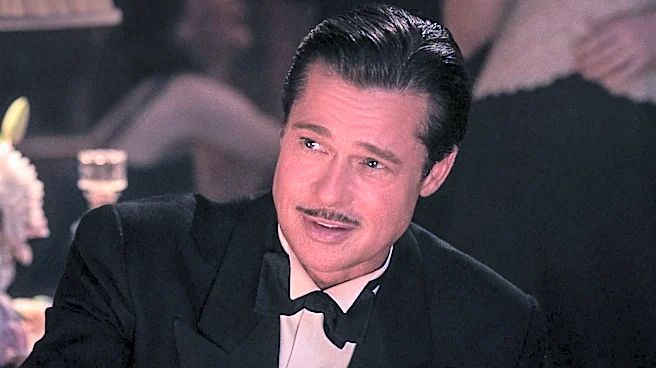
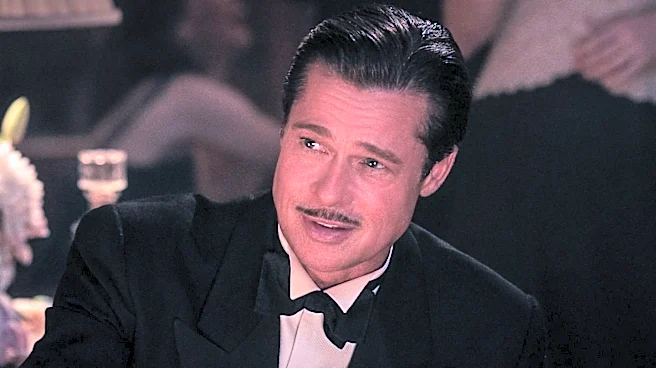
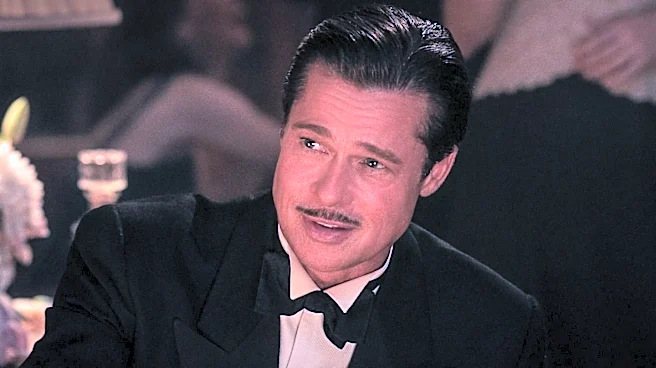
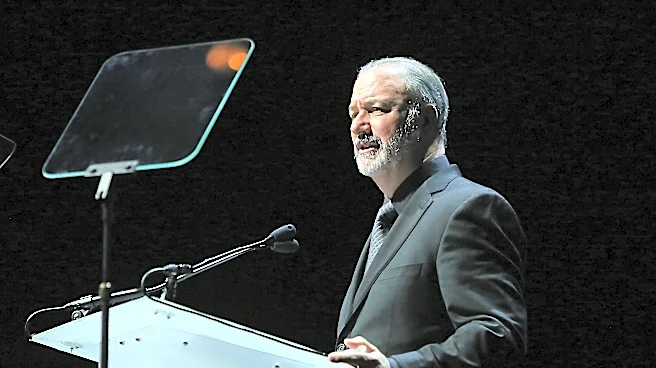
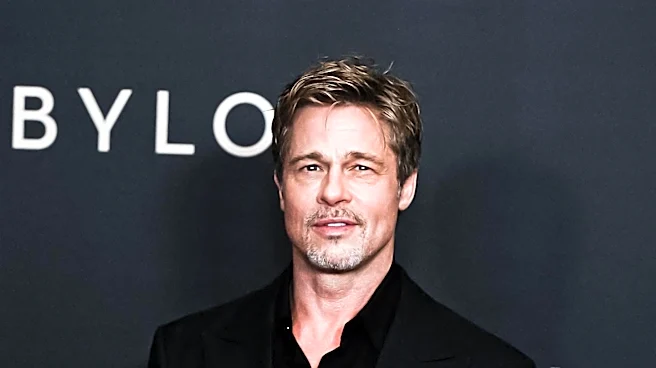
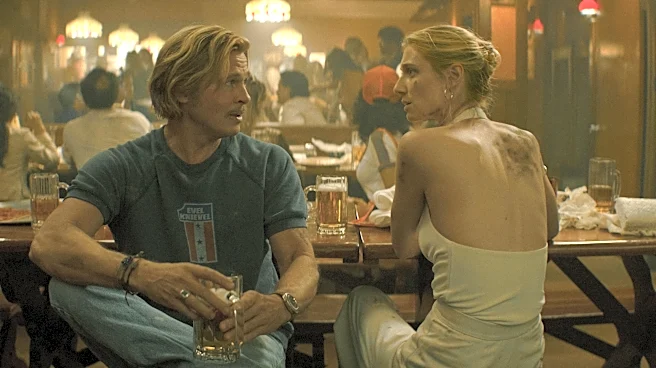
Director David Fincher recently discussed his new film, 'The Further Mis-Adventures of Cliff Booth,' which features Brad Pitt reprising his Oscar-winning role from 'Once Upon a Time in Hollywood.' The discussion, as reported by KVCR Public Media on November
25, 2026, highlights the continuation of the character Cliff Booth. Fincher's involvement in this sequel brings a new directorial vision to a character previously explored by Quentin Tarantino. The film's release and Fincher's insights into its production are generating interest among film enthusiasts and fans of the original movie.
Why It's Important?
This development is significant for the entertainment industry, particularly for fans of David Fincher's distinctive directorial style and Brad Pitt's portrayal of Cliff Booth. The return of an Oscar-winning character in a sequel, especially with a new director at the helm, can influence future trends in filmmaking, potentially encouraging more continuations of popular roles with different creative teams. For audiences, it offers a fresh perspective on a beloved character and narrative. The success or critical reception of this film could also impact the careers of both Fincher and Pitt, further solidifying their positions in Hollywood and potentially opening doors for similar projects.
What's Next?
Following the discussion, the film 'The Further Mis-Adventures of Cliff Booth' is expected to continue its run or prepare for wider distribution, depending on its current release stage. Audiences will likely be keen to see how David Fincher's direction shapes the character of Cliff Booth and the overall narrative, especially in comparison to Quentin Tarantino's original vision. Critical reviews and audience reactions will be closely monitored, potentially influencing future projects for both Fincher and Pitt. The film's performance could also set a precedent for how sequels to critically acclaimed films are approached in Hollywood, particularly when a new director takes over.
Beyond the Headlines
The decision to bring back an Oscar-winning character with a new director like David Fincher raises interesting questions about creative ownership and the evolution of cinematic universes. It highlights the industry's ongoing balance between artistic integrity and commercial viability, as studios seek to capitalize on established characters while also offering fresh perspectives. This approach could lead to a trend where iconic roles are reinterpreted by different acclaimed directors, potentially enriching the cinematic landscape but also posing challenges in maintaining narrative consistency and fan expectations. It also underscores the enduring appeal of certain characters and the collaborative nature of filmmaking, even when original creators are not directly involved in sequels.