






What's Happening?
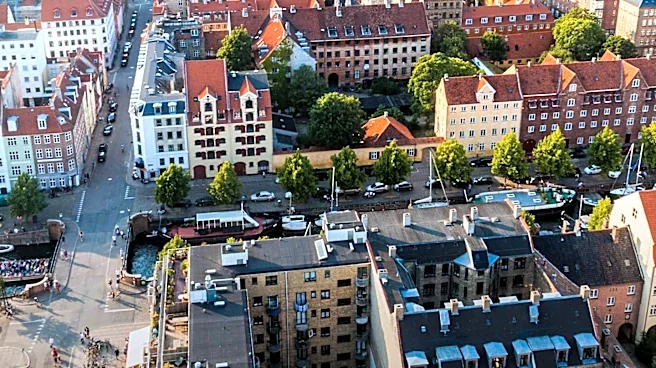
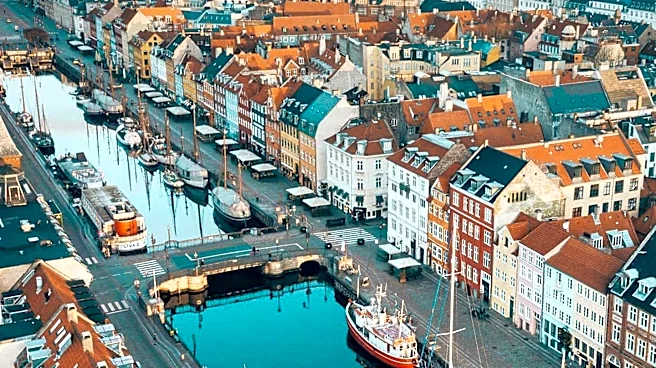
Copenhagen, Denmark, has been consistently recognized by various organizations as a leading city for livability and sustainability. The city, which is one of Europe's oldest capitals with a long-standing monarchy, is also a hub for entertainment, culture,
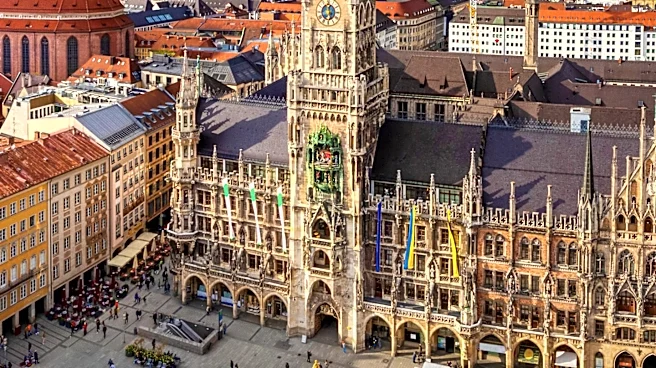
and shopping. Visitors can explore classic destinations such as the Tivoli Gardens amusement park and the Copenhagen Zoo. The city is noted for its blend of historical charm and modern innovation, attracting many visitors who come to experience its renowned gourmet restaurants, vibrant nightlife, and traditional Danish open-faced sandwiches. Copenhagen.com serves as a comprehensive guide for planning visits, offering information on accommodations, events, and attractions, including details on arrivals and departures at Copenhagen Airport. The city's fascinating architecture and numerous parks contribute to its appeal.
Why It's Important?
Copenhagen's consistent recognition for livability and sustainability highlights a growing global trend towards urban environments that prioritize quality of life and environmental responsibility. This focus can influence urban planning and development strategies in U.S. cities, encouraging them to adopt similar practices to enhance resident well-being and attract tourism and investment. The city's success in blending historical preservation with modern innovation offers a model for other cities looking to revitalize their urban cores while maintaining cultural heritage. Furthermore, Copenhagen's thriving tourism sector, driven by its diverse attractions and culinary scene, demonstrates the economic benefits of investing in cultural experiences and sustainable infrastructure. This can provide valuable insights for U.S. tourism boards and local governments aiming to boost their own visitor economies.
What's Next?
As Copenhagen continues to be a benchmark for urban excellence, it is likely to further invest in its sustainable initiatives and cultural offerings to maintain its competitive edge. Future developments may include expanding green spaces, enhancing public transportation, and promoting eco-friendly tourism practices. Other cities globally, including those in the U.S., may look to Copenhagen's model for inspiration in addressing their own urban challenges, particularly in areas of environmental policy, urban design, and tourism development. This could lead to increased international collaborations and knowledge sharing on best practices for creating livable and sustainable urban environments. The city's ongoing efforts to balance tradition with innovation will likely continue to attract a diverse range of visitors and residents.
Beyond the Headlines
Copenhagen's success extends beyond mere tourism and urban planning; it reflects a deeper societal commitment to well-being and environmental stewardship. The city's emphasis on cycling culture, efficient public transport, and green spaces contributes to a high quality of life, fostering a healthier and more engaged populace. This holistic approach to urban development suggests a shift in values where economic prosperity is increasingly linked to social and environmental health. For the U.S., this could imply a re-evaluation of urban priorities, moving beyond purely economic metrics to incorporate factors like public health, community engagement, and ecological footprint. The cultural dimension, with its blend of historical sites and modern culinary experiences, also underscores the importance of preserving heritage while embracing contemporary trends, creating a unique identity that resonates with both residents and international visitors.