


What's Happening?
El Salvador's tourism sector is projected to generate over US$3.6 billion in foreign currency by the end of 2026, with an estimated 4.2 million international visitors. This forecast highlights the sector's growing economic significance as a key source
of external revenue and a catalyst for various productive activities within the country. Minister of Tourism Morena Valdez reported that as of October of the current year, El Salvador had already welcomed 3.9 million international visitors. A significant portion of these visitors, 1.6 million, came from Guatemala, while Honduras also showed substantial growth as a source market, with an increase of over 20% during the year. The government's strategy to boost tourist arrivals includes promoting international events and strengthening tourism destinations. Upcoming events in November include the 32nd International Marlin Fishing Tournament and the Surf City El Salvador World Junior Championship. Sports tourism is a particular focus, aiming to attract both visitors and investors by establishing El Salvador as a venue for international competitions.
Why It's Important?
The projected growth in El Salvador's tourism sector is crucial for its national economy, providing a significant source of foreign currency and stimulating various related industries. Increased tourist spending directly benefits hotels, restaurants, retail businesses, tour operators, and transportation services, leading to job creation and economic prosperity. The focus on sports tourism not only diversifies the country's tourism offerings but also aims to attract foreign investment, further bolstering economic development. By hosting international events, El Salvador enhances its global profile, potentially drawing more visitors and businesses in the long term. This economic diversification reduces reliance on traditional sectors and makes the economy more resilient. The substantial influx of visitors from neighboring countries like Guatemala and Honduras also strengthens regional economic ties and promotes cross-border tourism, contributing to overall regional stability and growth.
What's Next?
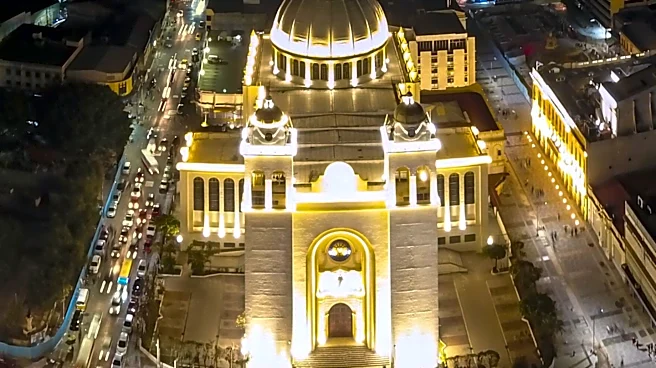
El Salvador plans to continue its strategy of promoting international events and developing tourism infrastructure to meet its ambitious targets. For the upcoming Christmas and year-end holiday season, the country has scheduled a variety of activities across popular destinations such as Surf City, Costa del Sol, Ruta Panorámica, and Ruta de las Flores, as well as a 'Christmas Village' in San Salvador's Historic Center. These initiatives aim to further increase visitor numbers and spending. The government will likely continue to invest in marketing campaigns to attract tourists from diverse international markets, beyond its immediate neighbors. Efforts to enhance the visitor experience, improve connectivity, and ensure the safety and quality of tourism services will also be critical. The success of these efforts will depend on effective coordination between government agencies, local businesses, and international partners to capitalize on the growing demand for tourism in El Salvador.
Beyond the Headlines
The rapid growth of El Salvador's tourism sector reflects a broader transformation in the country's image and appeal. Historically, El Salvador faced challenges that deterred international visitors. The current administration's emphasis on security and infrastructure development has played a significant role in changing this perception, making the country a more attractive destination. This shift has cultural implications, as increased tourism can lead to greater cultural exchange and appreciation, but also potential challenges related to preserving local heritage and managing environmental impact. The focus on sports tourism, particularly surfing, leverages El Salvador's natural assets and positions it as a niche destination, potentially attracting a different demographic of travelers. Long-term, sustainable tourism development will require careful planning to balance economic benefits with environmental protection and community well-being, ensuring that the growth is inclusive and benefits all segments of society.