






What's Happening?
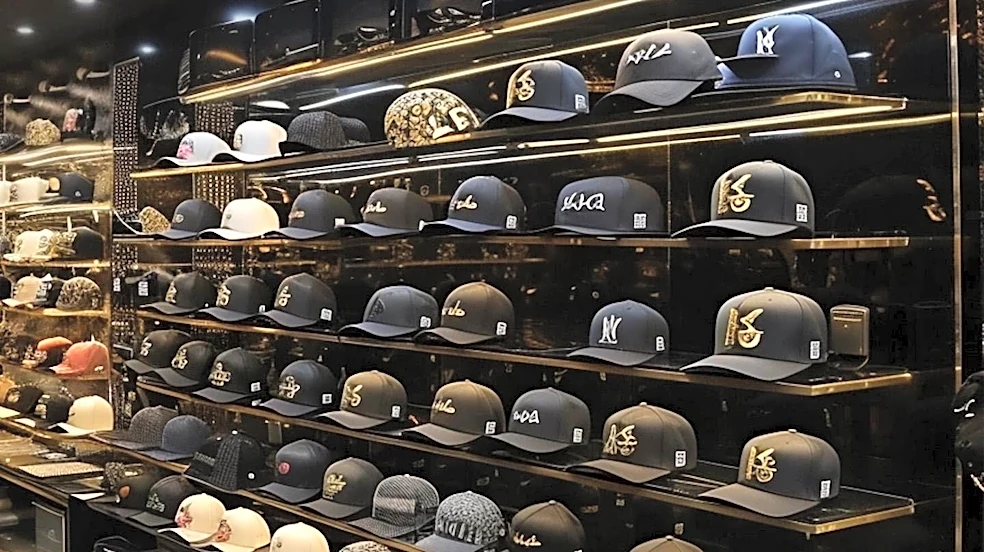
Lids, a retailer specializing in headwear and sports apparel, has signed a 10-year lease to open a new 1,993-square-foot flagship store in New York City's Penn Station. This new location will be situated within the redeveloped Penn District, an area adjacent
to Madison Square Garden. The Penn District redevelopment is a significant project undertaken by Vornado Realty Trust, aiming to transform the commercial area surrounding Penn Station. The project includes substantial upgrades to transit facilities, the creation of new public spaces, and the addition of approximately 1.1 million square feet of new retail and dining options, including those within Penn Station's Long Island Rail Road concourse. Jesse Wolff, an executive VP at JLL, which represented Lids in the leasing agreement, highlighted the strategic importance of this location, noting its proximity to Madison Square Garden and the daily foot traffic of an estimated 650,000 people through Penn Station. Wolff also emphasized that Lids will contribute a strong sports and lifestyle offering to the district's expanding retail landscape, aligning with Vornado's vision for a curated collection of brands that reflect an authentic New York character. Lids currently operates over 2,000 stores globally, with eight existing locations in New York City.
Why It's Important?
The opening of a Lids flagship store in the Penn District signifies a continued investment in the revitalization of a major transportation and commercial hub in New York City. This development is important for several reasons. Firstly, it underscores the ongoing efforts by Vornado Realty Trust to transform the Penn District into a vibrant destination, which can attract both local residents and tourists. The addition of a well-known brand like Lids can enhance the district's appeal, drawing more foot traffic and contributing to the economic activity of the area. Secondly, for Lids, securing a prime location in a high-traffic area like Penn Station provides significant brand visibility and direct access to a diverse customer base, including commuters, sports fans attending events at Madison Square Garden, and visitors to the city. This strategic placement can boost sales and market presence for the company. Lastly, the broader redevelopment of the Penn District, with its focus on upgraded infrastructure and new retail spaces, reflects a trend in urban planning to create mixed-use environments that cater to various needs, from transportation to shopping and entertainment. This can serve as a model for other urban renewal projects across the U.S., demonstrating how private investment and strategic leasing can contribute to the economic and social fabric of major cities.
What's Next?
Following the signing of the lease, the next step will be the construction and outfitting of the 1,993-square-foot Lids store within the Penn District. The exact opening date for the store was not specified, but its establishment will mark another milestone in the ongoing redevelopment efforts by Vornado Realty Trust. As the Penn District project progresses, it is anticipated that more retail and dining establishments will be announced, further diversifying the offerings available to the public. The success of Lids and other new tenants will likely influence future leasing decisions and the overall trajectory of the district's revitalization. Stakeholders, including Vornado Realty Trust, local businesses, and commuters, will be observing the impact of these new additions on foot traffic, economic activity, and the overall perception of the Penn District as a destination. The continued evolution of the Penn District could also set precedents for how major urban transportation hubs are reimagined and integrated with commercial and public spaces in other U.S. cities.
Beyond the Headlines
The Lids flagship store opening in the Penn District points to a broader trend of reimagining urban transit hubs as dynamic commercial and social centers, moving beyond their traditional role as mere points of passage. This transformation reflects a strategic shift by real estate developers like Vornado Realty Trust to create integrated environments that blend retail, dining, and public spaces with transportation infrastructure. The ethical implication lies in ensuring that such large-scale redevelopments benefit not only businesses and property owners but also the diverse communities that interact with these spaces daily. There's a delicate balance between commercial viability and maintaining the accessibility and character of public areas. Culturally, the integration of a sports and lifestyle brand like Lids into a major transit hub acknowledges the evolving consumer behavior where shopping and leisure are increasingly intertwined with daily commutes and travel. This development could also trigger long-term shifts in urban planning, encouraging more comprehensive approaches to city development that prioritize mixed-use spaces and enhanced pedestrian experiences. The success of this model in New York City could influence similar projects nationwide, potentially leading to a revitalization of other underutilized urban areas and a redefinition of what a modern city center entails.