
What's Happening?
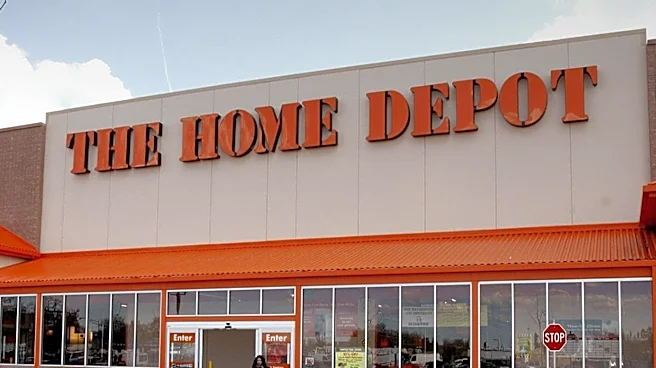
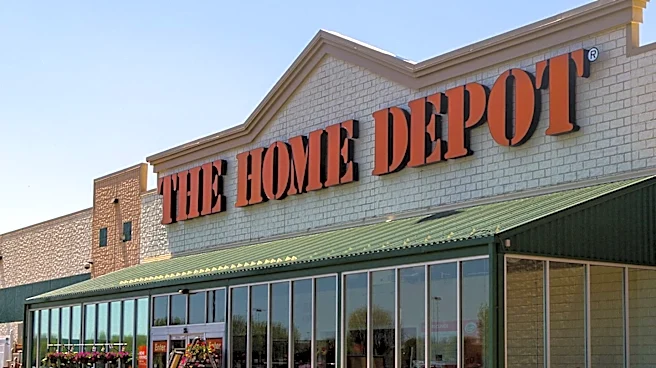
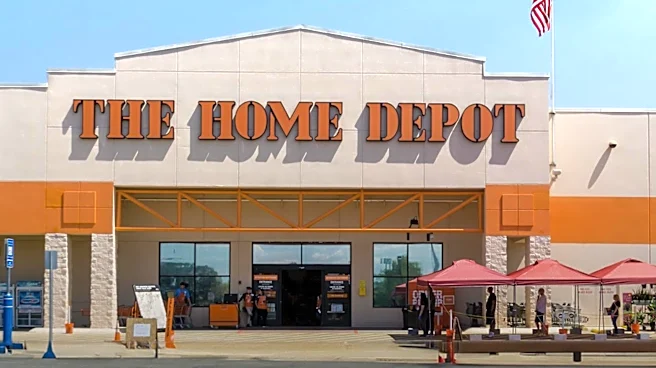
Home Depot's do-it-yourself (DIY) business is currently experiencing pressure due to a shift in consumer spending habits. While smaller home repair and maintenance projects remain popular, consumers are
becoming more cautious about undertaking larger home-improvement endeavors. This trend suggests a broader economic impact on discretionary spending for significant household renovations. The DIY market, which saw a boom during the pandemic, is now adjusting to a more conservative consumer approach. This shift affects not only large retailers like Home Depot but also the wider ecosystem of suppliers and contractors involved in major home renovations. The emphasis on smaller, more manageable projects indicates a preference for essential upkeep over extensive upgrades, reflecting current economic uncertainties.
Why It's Important?
This development is important for the U.S. retail sector and the housing market. Home Depot, as a leading indicator in the home improvement industry, reflects broader consumer confidence and economic health. A slowdown in large DIY projects can signal reduced consumer willingness to invest heavily in their homes, potentially impacting housing values and the construction industry. For retailers, it necessitates a strategic pivot towards smaller-ticket items and services that cater to maintenance and minor repairs. This trend could also affect employment in construction and related trades, as demand for extensive renovation work decreases. The shift highlights how economic caution at the household level can ripple through major industries, influencing investment decisions and market strategies.
What's Next?
In response to changing consumer behavior, Home Depot and similar retailers may focus on promoting smaller, more accessible DIY projects and maintenance solutions. This could involve increased marketing for tools and materials for minor repairs, as well as offering workshops or guides for simple home improvements. There might also be an emphasis on services, such as installation or repair, to capture spending from consumers who prefer not to undertake even smaller projects themselves. The industry will likely monitor economic indicators closely, as a rebound in consumer confidence could lead to a resurgence in larger home improvement projects. Retailers may also explore new product lines or services that align with current consumer preferences for cost-effective and less time-consuming home solutions.
Beyond the Headlines
The shift in DIY spending reflects a deeper psychological and economic adjustment among U.S. consumers. The pandemic-driven surge in home improvement projects, fueled by increased time at home and disposable income, is now giving way to a more pragmatic approach. This could indicate a broader trend of financial conservatism, where households prioritize saving and essential spending over large discretionary purchases. It also highlights the evolving definition of 'home improvement,' moving from aspirational renovations to practical upkeep. This change might foster innovation in products and services that offer efficiency and affordability, potentially leading to a more resilient and adaptable home improvement market in the long term, even amidst economic fluctuations.