




What's Happening?
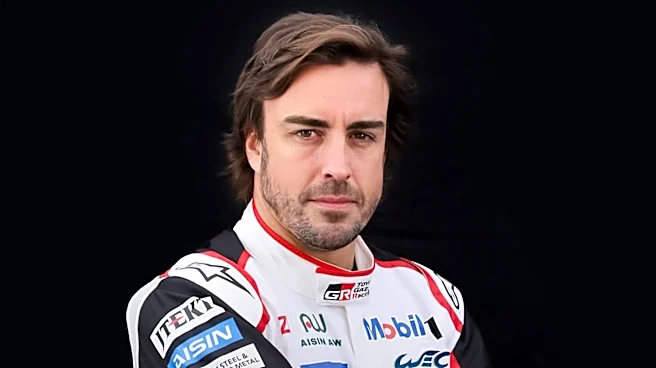
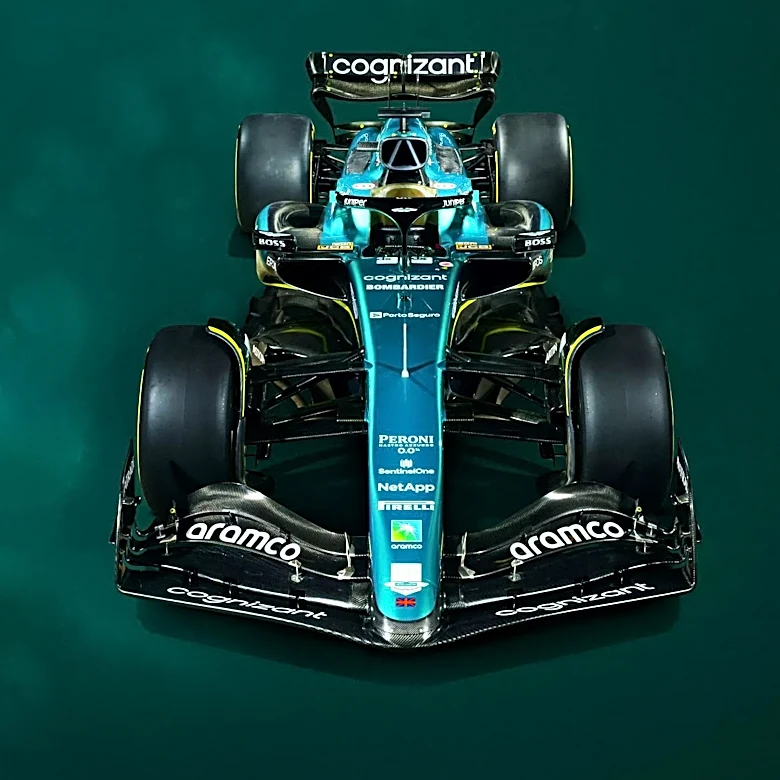
Fernando Alonso, a veteran Formula 1 driver for Aston Martin, has voiced concerns regarding the algorithms governing the energy deployment in 2026 F1 cars. These new regulations mandate a near 50/50 split between electrical power and internal combustion,
with a 'self-learning' computer algorithm dictating battery deployment throughout a lap. This system constantly adapts to driver inputs, but the deployment is largely pre-mapped by software before the race, limiting drivers' direct control. Alonso's comments come amidst growing frustration from several drivers, including McLaren's Oscar Piastri, who described the current situation as a 'pretty crap way of going racing,' especially when qualifying grids are influenced by computer behavior. Alonso, competing in his 23rd F1 season, acknowledged that driver aids are not new to the sport but emphasized the need to 'fix and improve' the current computer algorithms.
Why It's Important?
The debate over the 2026 F1 engine algorithms highlights a significant shift in the sport's technical direction, moving towards greater reliance on complex software and hybrid power units. This change has implications for the fundamental nature of F1 racing, potentially diminishing the role of pure driver skill in favor of technological optimization. If the algorithms continue to be perceived as problematic, it could lead to a less engaging spectacle for fans and a less satisfying experience for drivers. The integrity of competition could also be questioned if computer behavior significantly impacts race outcomes. For manufacturers, the development of these advanced hybrid systems represents a substantial investment, and widespread criticism could pressure them to re-evaluate their design philosophies or push for regulatory adjustments. The balance between technological innovation and traditional racing elements is at stake, influencing the sport's future appeal and competitive landscape.
What's Next?
Alonso expressed optimism that changes can be made to the 2026 F1 engine algorithms, suggesting potential tweaks for upcoming seasons or even a return to V8 engines in the 2030s. He noted that there are already discussions about 2030 or 2031 regulations and that approval for changes to the combustion versus electrical components of the engine is expected next year. This indicates that the sport's governing bodies and teams are aware of the issues and are actively considering modifications. The ongoing feedback from drivers like Alonso and Piastri will likely play a crucial role in shaping these future adjustments. The focus will be on finding a balance that allows for technological advancement while preserving the element of driver skill and ensuring fair competition. The upcoming Hungarian Grand Prix and subsequent races before the summer break will likely see continued discussions and potentially further calls for action from drivers and teams.
Beyond the Headlines
The controversy surrounding the 2026 F1 engine algorithms touches upon broader themes of human-machine interaction and the evolving definition of skill in technologically advanced sports. As artificial intelligence and complex software become more integrated into high-performance environments, questions arise about the extent to which human agency should be preserved. In F1, a sport traditionally celebrated for its drivers' exceptional talent and daring, the increasing influence of algorithms could spark philosophical debates about what truly constitutes 'racing.' This situation could set a precedent for other sports grappling with similar technological advancements, prompting discussions about the ethical implications of computer-aided performance and the potential for technology to overshadow human endeavor. The long-term impact could redefine the very essence of competitive sport, shifting the emphasis from raw human ability to the mastery of complex technological systems.