





What's Happening?
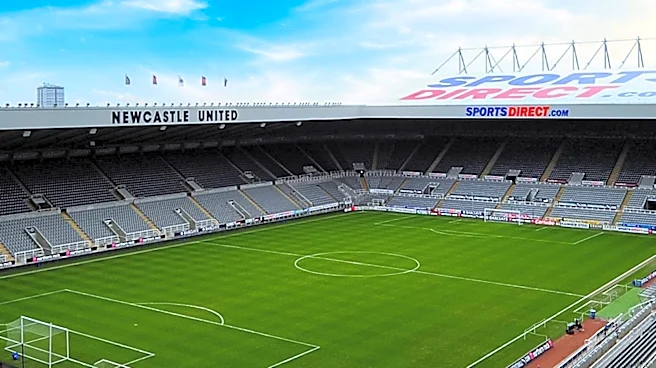
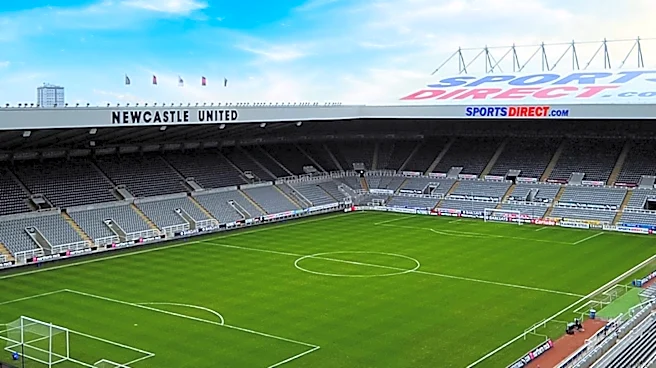
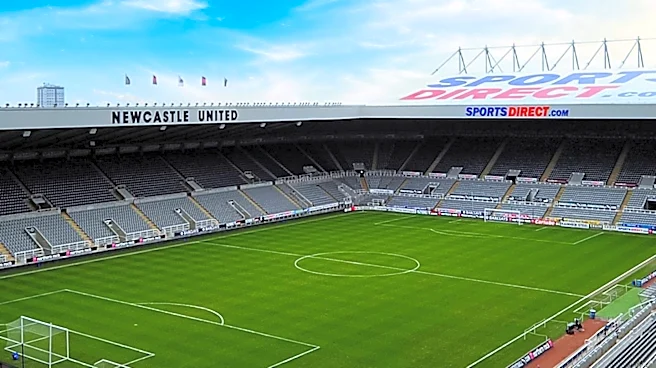
Newcastle United's majority owner, Saudi Arabia's Public Investment Fund (PIF), is reportedly open to selling a 25% stake in the club. This move aims to secure additional funds for significant infrastructure projects, including potential stadium redevelopment,
which could cost upwards of £1.5 billion. The PIF has placed a £2 billion valuation on the club, meaning a 25% stake would cost prospective investors £500 million. However, this valuation has been met with skepticism from financial experts, including former Manchester City financial adviser Stefan Borson. Borson suggests that while there might be interest from American investors in partnering with PIF, the £2 billion valuation is likely too ambitious given the club's current revenues, estimated generously at £350 million, and a substantial wage bill. He also highlighted the difficulty for Newcastle to consistently secure Champions League football, which impacts revenue projections and overall valuation.
Why It's Important?
The potential sale of a stake in Newcastle United and its ambitious valuation highlight broader trends in sports investment, particularly the increasing involvement of sovereign wealth funds and the pursuit of external capital for club development. For U.S. investors, this presents an opportunity to forge relationships with a major global investment entity like PIF and gain a foothold in the lucrative English Premier League. However, the skepticism surrounding the valuation underscores the financial realities and risks associated with sports club ownership, even for high-profile teams. The need for significant funds for stadium redevelopment also points to the escalating costs of maintaining competitive infrastructure in top-tier football, which can influence investment decisions and financial strategies across the sports industry.
What's Next?
The PIF will likely continue to seek investors for the 25% stake in Newcastle United, but they may need to temper their valuation expectations to attract serious buyers. The club's performance in upcoming seasons, particularly regarding European football qualification, will be crucial in justifying any valuation. Decisions regarding the stadium's future, whether it involves redevelopment of St James' Park or the construction of a new ground, will also be a significant factor influencing investor interest and the overall financial outlook. Potential American investors will weigh the opportunity to partner with PIF against the financial projections and the perceived risk of the £2 billion valuation.
Beyond the Headlines
The situation with Newcastle United reflects a growing trend of global capital, particularly from the Middle East, flowing into European football. This influx of investment brings both opportunities for growth and challenges related to financial sustainability and valuation realism. The involvement of sovereign wealth funds like PIF also raises questions about the intersection of sports, geopolitics, and economic influence. The pursuit of external funding for infrastructure projects like stadium redevelopment underscores the evolving business model of major sports clubs, where traditional revenue streams are often insufficient to cover ambitious development plans. This could lead to increased financialization of sports assets and a greater reliance on external investment for long-term growth.