



What's Happening?
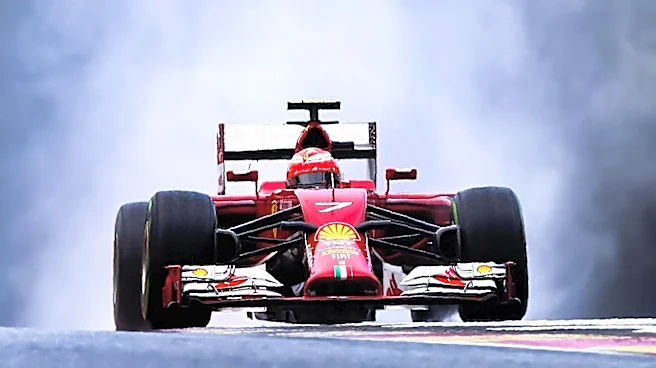
A former Ferrari insider has revisited the infamous 2009 Malaysian Grand Prix incident where Kimi Raikkonen was mistakenly put on full wet tires on a dry track. The decision was made in anticipation of a monsoon that did not arrive in time, leading to
significant time loss for Raikkonen. The error was a result of miscommunication and misjudgment by the Ferrari team, including race engineer Andrea Stella. The incident is remembered as a classic blunder in Formula 1 history, highlighting the challenges of strategic decision-making under pressure.
Why It's Important?
This incident underscores the complexities and high-stakes nature of decision-making in Formula 1 racing. It highlights the importance of accurate weather forecasting and communication within a team. The blunder serves as a case study for teams on the potential consequences of strategic errors and the need for effective contingency planning. For fans and analysts, it remains a memorable example of how even top teams can falter, emphasizing the unpredictable nature of motorsport.
Beyond the Headlines
The 2009 Malaysian Grand Prix incident with Raikkonen also reflects on the broader challenges faced by teams in adapting to rapidly changing conditions. It illustrates the critical role of technology and data analysis in modern racing, where split-second decisions can have significant impacts on race outcomes. The incident has likely influenced how teams approach strategy and communication, leading to improvements in decision-making processes and the integration of advanced technologies in race management.